

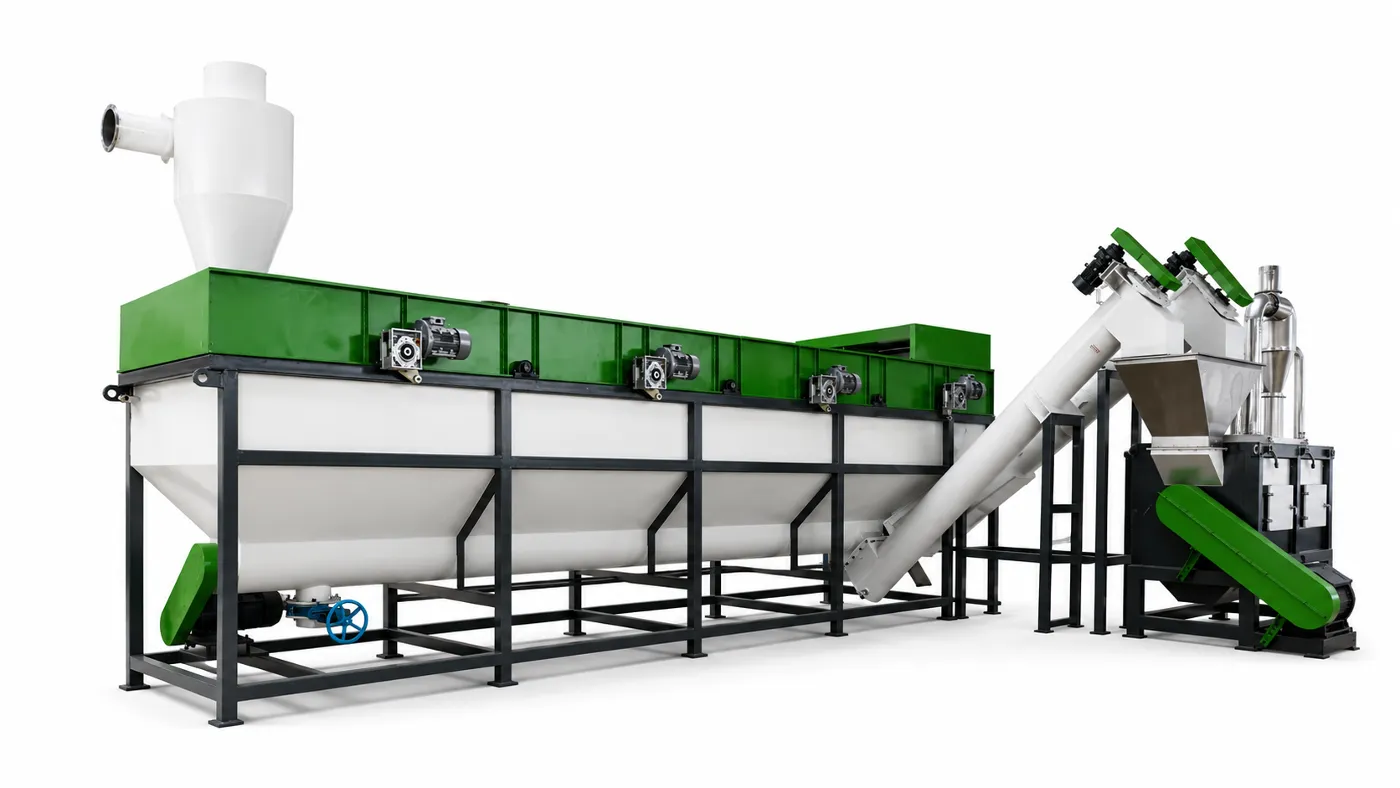
Plastic Washing Lines

Integrated Washing Systems for PET, Film, and Rigid Plastics

Not sure whether you need a PET bottle washing line, a film washing line, or a rigid flake line? Start here. Rumtoo helps you choose the right system family first, then configures modules — pre-wash, hot wash, friction, sink-float, drying, and water treatment — around your actual feedstock and output target.

Scroll
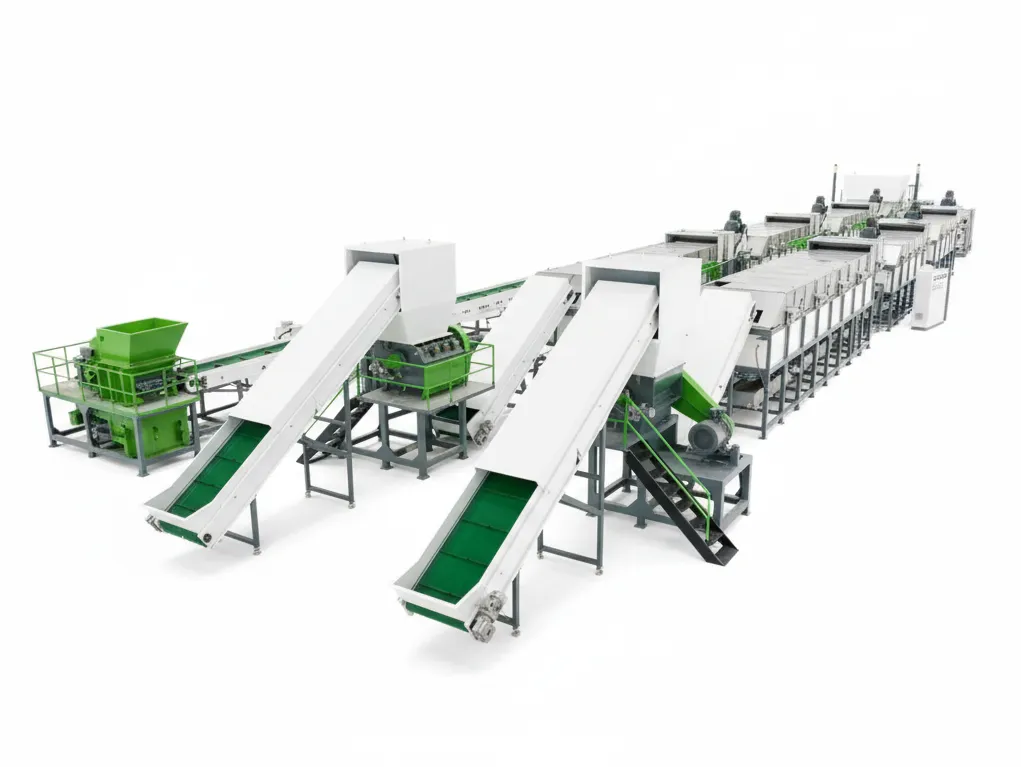
Integrated plastic washing line installed in a recycling factory

Washing Line Workflow

The correct sequence depends on resin family, contamination profile, and final output requirement.

1

Opening, Sorting, and Pre-Wash

Debaling, pre-sorting, or wet crushing remove loose dirt and stabilize material flow before more aggressive cleaning stages begin.

2

Friction Washing + Optional Hot Wash

Friction washers scrub labels, paper, mud, and fines. Hot wash is added when the material carries glue, oils, food residue, or stubborn contamination.

3

Sink-Float and Purification

Density separation removes heavy or incompatible plastics, while repeated rinse and air separation stages improve the purity baseline before drying.

4

Dewatering, Drying, and Discharge

Centrifugal drying, thermal drying, or screw squeezing are matched to PET flakes, film, or rigid regrind so the output is ready for packing or pelletizing.

Why a System-Level Approach Matters

Right System Family First

PET bottle lines, film washing lines, and rigid flake lines use different module sequences. Choosing the wrong family wastes capital and limits output quality from day one.

Single-Vendor Integration

When pre-wash, hot wash, friction washing, sink-float, drying, and water treatment come from one supplier, module sizing, transfer points, and control logic are matched — not patched together after purchase.

Utility Consolidation Across the Line

Water recirculation, heating, sludge handling, and electrical load are sized as a system rather than module by module, reducing total utility cost and commissioning surprises.

Common System Selection Mistakes — and How Rumtoo Helps

Problem

Bought a generic washing line hoping it would handle PET, film, and rigid plastics equally well.

Rumtoo Solution

Rumtoo starts by identifying your primary resin family and contamination profile, then selects the correct line type before choosing individual modules.

Problem

Specified a film line but the real feedstock turned out to be mixed PET bottles and film — now neither washes well.

Rumtoo Solution

A proper material assessment before RFQ prevents mismatched configurations. When mixed streams are expected, Rumtoo can design split routes or hybrid sections.

Problem

Water treatment and sludge handling were not planned during line design, causing regulatory and cost problems after startup.

Rumtoo Solution

Rumtoo includes water recirculation, settling, and filtration in the initial scope so utility requirements are clear before installation begins.

Problem

Each module was sourced separately and integration gaps caused underperformance at transfer points.

Rumtoo Solution

Integrated system design ensures conveyors, pumps, tanks, and control panels are sized together with matching throughput and communication.

Machine and Process Reference

Core modules that usually decide purity, moisture, and downstream stability.

Complete plastic washing line installed in a factory

Complete Washing Line Layout View

Layout planning matters because tanks, dryers, water treatment, access platforms, and transfer points define how easy the line is to run and maintain.

  • Useful for evaluating footprint and operator access
  • Helps plan tank orientation and downstream handoff
  • Shows how washing and water-treatment sections are organized
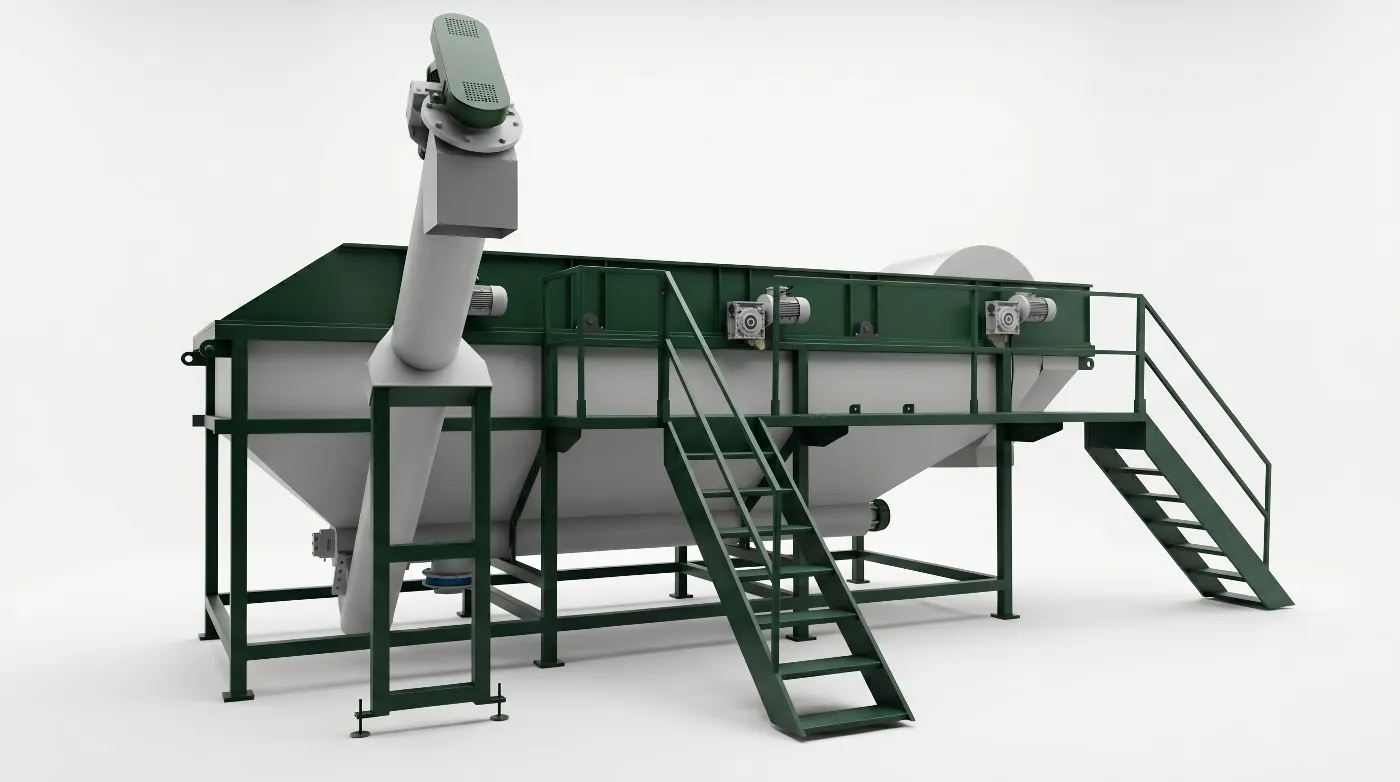
Sink-Float Separation as a Purity Control Stage

Sink-float separation is one of the most important modules in PET and rigid plastic washing when density-based separation determines the final purity baseline.

  • Removes floating caps, labels, and light polymers from target flakes
  • Supports more stable output before drying and air separation
  • Often paired with friction washing and repeated rinsing stages
Sink-float separation tank used in plastic washing lines

Which Washing System Do You Need?

  • PET Bottle Recycling

    Post-consumer bottle bales requiring label removal, hot washing, sink-float separation, and < 1% final moisture for food-grade or fiber-grade flakes.

  • PE / PP Film & Bag Recovery

    Agricultural film, shopping bags, stretch wrap, and woven bags — see our dedicated Film Recycling Line page for equipment details and model configurations.

  • Rigid HDPE / PP Flake Washing

    Milk bottles, detergent containers, crates, and industrial rigid plastics where hot wash may be needed for glue, oil, or odor.

  • Mixed Post-Consumer Streams

    Municipal or commercial feedstock where the contamination profile requires upstream sorting, deeper washing, and more robust water treatment.

  • Retrofit and Capacity Upgrades

    Existing plants adding hot wash, sink-float, drying modules, or water recirculation to improve output quality without rebuilding the entire facility.

Reference Configurations

Line FamilyTypical ThroughputOutput ConditionTypical Utility / Layout Note
PET Bottle Line500-3000 kg/h< 1% moisture, high-purity flakesHot wash, friction wash, and water treatment usually required
Film Washing Line300-2000 kg/h< 3-5% moisture after matched dryingSqueezer or stronger dewatering often needed for pelletizing
Rigid Plastic Line500-3000 kg/hClean washed flakes for extrusionHot wash depends on glue, oil, odor, and application target
1000 kg/h PET ReferenceAround 1000 kg/hBottle-grade washed flake routeRoughly 400-750 m² depending on modules and utility area
Water SystemProject-specificRecirculated where possibleFresh water and sludge load depend on contamination and treatment design

Reference values vary by feedstock condition, purity target, hot wash requirement, and water-treatment scope. Final sizing is based on project data rather than a single standard line.

Washing Line Checklist Before RFQ

These inputs determine whether the line needs hot washing, deeper separation, or more aggressive drying.

Material Family

Specify PET bottles, PE/PP film, rigid HDPE/PP, woven bags, or mixed streams. The process route changes significantly by resin family.

Contamination Type

Describe labels, glue, food residue, oil, sand, stones, organics, and heavy polymer contamination such as PVC or PET carryover.

Output Target

Clarify whether you need washed flakes, low-moisture film feed, or a pelletizing-ready output with a specific purity or moisture requirement.

Utilities and Footprint

Provide power, water, steam or electric heating availability, wastewater plan, and usable floor space for tanks, dryers, and maintenance access.

System-Level Comparison

Decision CriteriaBasic Wash LineRumtoo Integrated System
Material MatchingSame logic used for all plasticsModules selected by resin family and contamination
Hot Wash DecisionAdded late or omitted blindlyIncluded only when glue, oil, or residue justify it
Water ManagementOften treated as an afterthoughtRecirculation and sludge handling designed into the line
Downstream ReadinessVariable discharge moisture and purityOutput prepared for drying, storage, or pelletizing
Expansion PlanningHard to retrofit laterModular layout supports staged upgrades and line additions

Choosing the Right Washing System

How do I know whether I need a PET line, a film line, or a rigid line?

The primary resin type and contamination profile determine the system family. PET bottle bales need hot wash and sink-float; film needs densifying and squeezing; rigid flakes need force feeding and possibly hot wash. Send Rumtoo your material details for a route recommendation.

Can one washing line handle both PET bottles and PE film?

Some hybrid configurations are possible, but PET and film have very different density, drying, and downstream requirements. In most cases, dedicated lines or split routes deliver better output quality and uptime.

What drives the cost difference between washing line types?

The main cost drivers are throughput, hot wash requirement, number of separation stages, drying method, and water treatment scope. A 500 kg/h cold-wash film line costs significantly less than a 2000 kg/h PET hot-wash line with full water recirculation.

What information does Rumtoo need before proposing a washing system?

At minimum: material type and photos, contamination description, target kg/h, desired output (washed flakes or pellets), available utilities (power, water, heating), and site footprint. The more detail you provide, the more accurate the proposal.

Need a Washing Line Proposal?

Share your material, contamination level, target purity, and utility conditions. Rumtoo will return a practical process route with key modules and planning notes.

Request Washing Line Proposal