
Film Densifier & Squeezer
For washed PP and PE film that still carries too much moisture and too little bulk density for stable pelletizer feeding.

Products and solutions
Products and solutions onlyNo matching products or solutions found.
Drying & Densifying Equipment
Choose the right drying route after washing: centrifugal dewatering for free water, film squeezing for moisture plus bulk density, and thermal drying for tighter final moisture before extrusion.
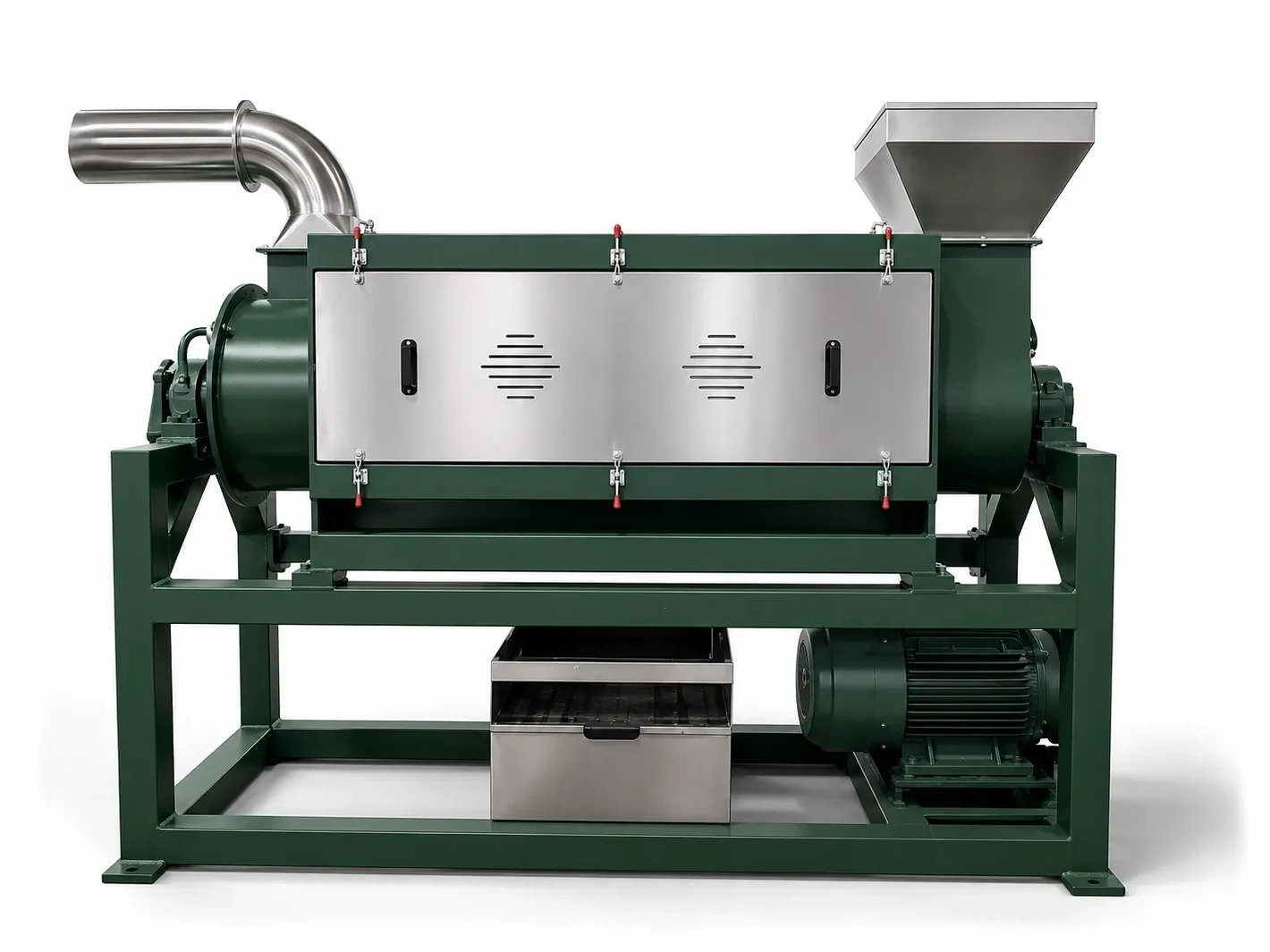
Use this hub to choose the right module family before you look at final model size. Each route solves a different process problem.
For washed PP and PE film that still carries too much moisture and too little bulk density for stable pelletizer feeding.
For fast mechanical bulk-water removal after washing before thermal drying, squeezing, or another conditioning stage.
For lower and tighter residual moisture after mechanical dewatering when extrusion or high-spec discharge still needs drier material.
Start with the material condition leaving the washer. Choose the first module for the actual bottleneck, then add another stage only when the measured discharge or downstream process requires it.
| Material & Inlet Condition | Main Constraint | Start With | Add Only When Needed | Downstream Check |
|---|---|---|---|---|
| Washed PE/PP film, raffia or woven material that remains wet and bulky | Moisture plus low bulk density and unstable feeding | Film squeezer-densifier | Centrifugal pre-dewatering for high free-water load, or thermal finishing for a tighter measured target | Confirm bulk density, pelletizer feed stability and actual outlet moisture |
| Washed film, flakes or regrind with visible free water | Fast bulk-water removal | Centrifugal dryer | Squeezer if film remains fluffy; thermal dryer if residual moisture is still above the next-stage limit | Measure moisture after mechanical dewatering before sizing the next module |
| PET flakes or rigid regrind after mechanical dewatering | Lower and more stable residual moisture | Thermal finishing sized from the measured inlet condition | For PET, separate crystallization or dehumidifying may still be required by the extrusion route | Use the actual downstream specification, not one universal moisture promise |
| Mixed feedstock, variable washer discharge or retrofit project | Changing water load, material form or layout limits | Material test and inlet/outlet measurement | Combined mechanical and thermal route only after the test confirms the need | Confirm kg/h, utilities, ducting, cyclone position and transfer height |
This matrix selects the process route, not a final model. Motor power, heating duty and equipment size should be quoted only after the real inlet condition and required outlet are confirmed.
The drying route comes down to three separate decisions: free-water removal, final moisture control, and film feed conditioning. Take them in that order and the equipment list falls out by itself.
Film fluff, PET flakes, and rigid regrind do not leave the washing line in the same condition. Material form and inlet water load determine which drying stage should come first.
Mechanical dewatering removes bulk free water quickly. Thermal drying is usually sized later for the remaining residual moisture target.
For washed film, the line may need a densifier-squeezer because the real bottleneck is not moisture alone. Feeding behavior and bulk density also matter.
Pelletizing, compactor-extrusion, storage transfer, and high-spec flake discharge each require a different drying and conditioning route.
Drying equipment is not interchangeable. Each module produces a different material condition, and the right way to compare them is machine by machine against the discharge state your next stage needs.
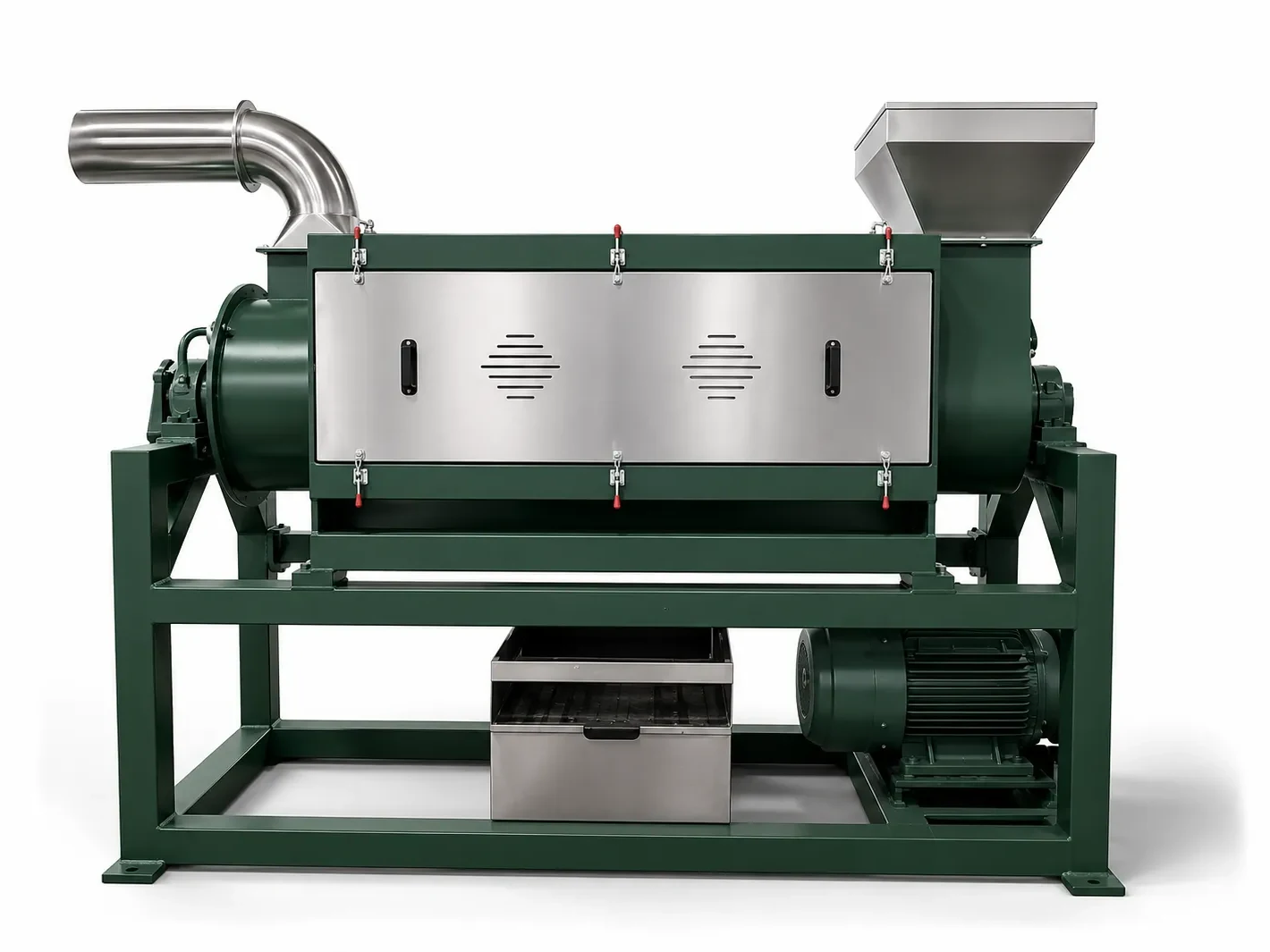
A centrifugal dryer removes free water mechanically. A film squeezer reduces moisture while raising bulk density. A thermal dryer handles the final residual moisture window after dewatering.
The buyer is usually not purchasing a dryer in isolation. The real target is a discharge condition that feeds pelletizing or extrusion with fewer moisture-related disruptions.
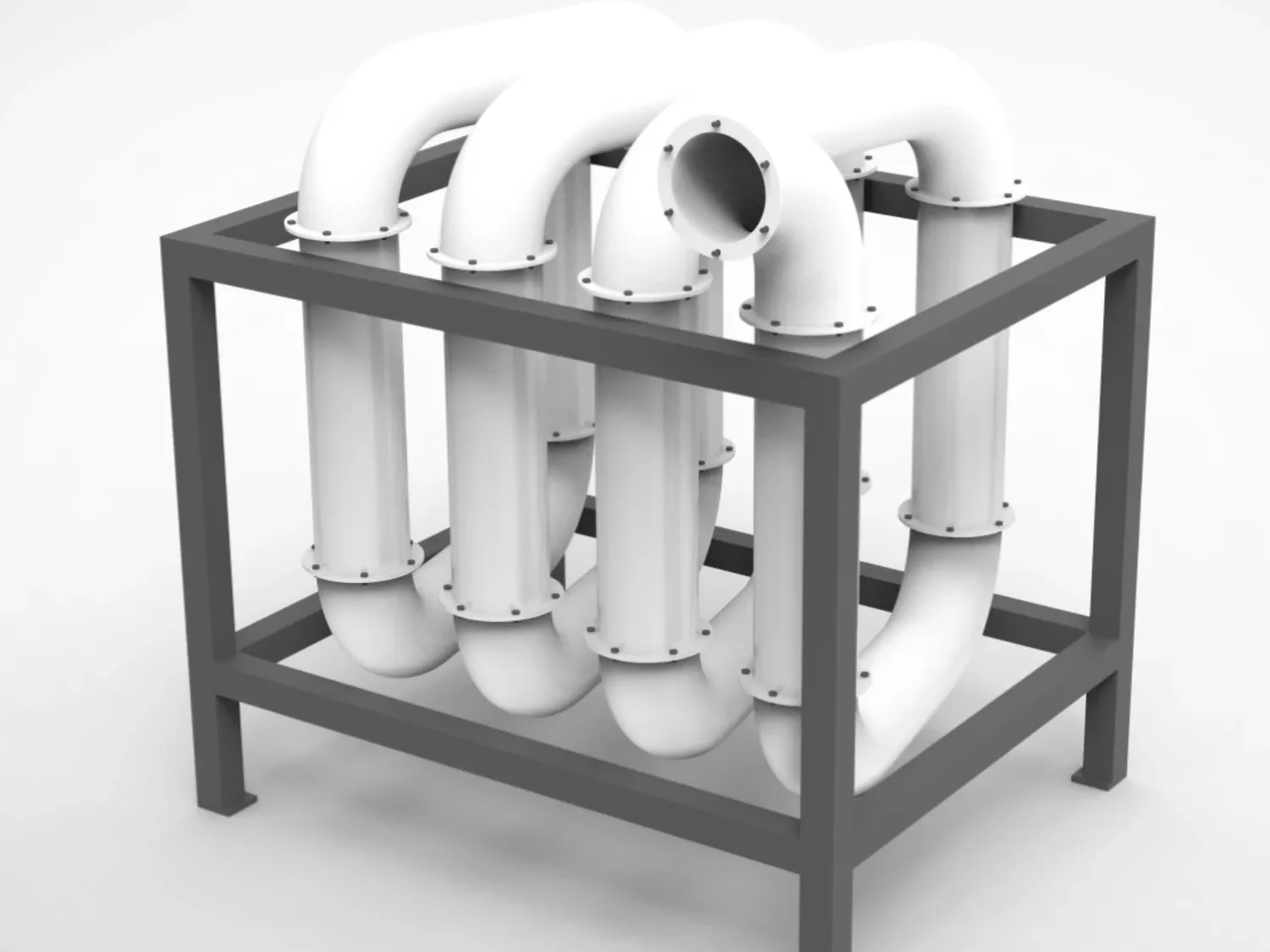
These are the main drying-stage paths buyers compare when moving from washing to extrusion or pelletizing.
Mechanical dewatering plus squeezing or thermal finishing depending on moisture and density needs.
Centrifugal dewatering followed by final thermal drying where stricter residual moisture targets are required.
Bulk water removal before lower-moisture discharge to extrusion or packaging transfer.
Add one drying stage or redesign the handoff between washing and pelletizing without rebuilding the whole line.
Move more of the drying load into mechanical dewatering before adding thermal power.
Configure the drying route around stable discharge, not only around a nominal machine capacity.
These references are route-level planning guidance, not final model quotations.
| Unit Family | Primary Job | Typical Fit | Key Planning Note |
|---|---|---|---|
| Film Centrifugal Dryer | Mechanical bulk-water removal | Washed film, flakes, and regrind | Usually the first drying step, not the final moisture target |
| Film Densifier & Squeezer | Moisture reduction plus bulk-density increase | PE and PP film lines | Best when pelletizer feeding is unstable because material stays wet and fluffy |
| Thermal Dryer | Final residual-moisture control | Film, PET flakes, and rigid regrind | Must be matched to the real inlet condition after dewatering |
| Combined Drying Route | Stage-by-stage moisture management | Projects with tighter extrusion targets | The final route depends on material type, line layout, and downstream sensitivity |
The correct module sequence depends on material form, inlet moisture after washing, and the quality window required by the next process stage.
These inputs should be prepared before you compare a centrifugal dryer, film squeezer, or thermal dryer.
State whether the stream is washed film, PET flakes, rigid regrind, woven material, or a mixed washed fraction.
Share residual water level after washing, discharge form, and whether free water, fluffiness, or strict residual moisture is the main issue.
Clarify whether the material feeds pelletizing, compactor-extrusion, direct extrusion, storage transfer, or high-spec dry-flake discharge.
Send target kg/h, available power, heating preference, footprint, and any retrofit constraints around ducts, cyclones, or transfer height.
Use this comparison to decide whether a standard machine quote is enough or whether the project needs material testing, layout review, and downstream process matching.
| Decision Point | Generic Equipment Quote | Rumtoo Engineering Route |
|---|---|---|
| Material condition | Assumes a clean and stable feed | Checks moisture, density, contamination, and real feed form |
| Capacity planning | Starts from nominal kg/h | Matches throughput to line duty, discharge size, and downstream process |
| Integration risk | Treats the machine as standalone | Reviews conveyors, controls, safety, access, and retrofit space |
| Output quality | Focuses on the model name | Connects output size, purity, moisture, and pelletizing or washing goals |
Start with the real problem after washing. If the issue is free water, centrifugal drying usually comes first. If film stays wet and fluffy, a squeezer may be more appropriate. If residual moisture is still too high for extrusion, thermal drying is usually the final stage.
Usually no. Film, PET flakes, and rigid regrind behave differently, so the route should be chosen around material form, moisture target, and downstream process sensitivity.
Not always. It often reduces or changes the thermal load, but projects with stricter final moisture requirements may still need thermal post-drying.
Mechanical dewatering normally precedes thermal finishing because free water should be removed mechanically where practical. The exact sequence still depends on material form, washer discharge, measured inlet moisture and the requirement of the next process. Film may go directly to a squeezer-densifier, while flakes may use centrifugal dewatering before any thermal stage.
Send the material type, inlet condition after washing, target kg/h, downstream process, final moisture goal, available utilities, and any layout limits. That lets Rumtoo recommend the correct drying route before model sizing begins.
Share your washed material, inlet moisture, target throughput, and downstream process. Rumtoo will tell you whether you need centrifugal drying, squeezing, thermal drying, or a combined route.