
Drying & Densifying Units

Film Centrifugal Dryer for Mechanical Dewatering After Washing

This page is for film washing lines that need a fast mechanical dewatering step before thermal drying, squeezing, or pelletizing. Rumtoo helps define when a centrifugal dryer is enough, when it should feed a thermal dryer, and how to size the rotor and screen around the real film stream.

Film Centrifugal Dryer

How Film Centrifugal Dryer Selection Should Actually Work

Top pages and related searches repeatedly organize this topic around free-water removal, energy savings, downstream thermal load, and material-dependent rotor setup. This page follows that structure.

1

Start with washed film condition

Film flakes, film strips, and washed flexible fractions do not behave like rigid PET flakes. Feed size, softness, and water carryover change how the dryer performs.

2

Define the role of mechanical dewatering

The centrifugal dryer is usually the bulk water-removal stage, not the final moisture-control promise. That distinction matters for accurate sizing.

3

Match rotor, screen, and line rate

Rotor speed, shaft size, and screen design need to fit the film fraction, throughput, and fines sensitivity of the line.

4

Plan the next stage before buying

The buyer should already know whether the discharge goes to thermal drying, a squeezer, buffer silo, or a less demanding downstream process.

What Buyers Actually Need From a Film Centrifugal Dryer

The best topic clusters do not sell this as a miracle final dryer. They present it as the fast, low-energy first step in a larger drying route. That is also the right engineering view.

Fast Mechanical Water Removal

The machine removes a large share of free surface water quickly, which helps washing lines hold throughput more consistently.

Lower Thermal Drying Burden

Because the first stage is mechanical, the downstream hot-air or thermal stage can often be smaller, more stable, or less energy-intensive.

Useful Across Multiple Washed Streams

A matched setup can handle washed film, PET flakes, HDPE regrind, and mixed rigid fractions, but the configuration must follow the actual feed behavior.

Common Mechanical Dewatering Problems

People-also-ask and FAQ patterns in this topic usually focus on final moisture expectations, whether thermal drying is still needed, and how to avoid bottlenecks or fines.

Problem

Rumtoo Solution

Teams expect a centrifugal dryer to reach the final moisture target alone.

Rumtoo defines the centrifugal dryer as the free-water-removal stage first, then sizes the final drying route separately when lower moisture is required.

Problem

Rumtoo Solution

The line is quoted on nominal capacity but surges badly with real washed film.

Rumtoo checks film shape, feed consistency, and water carryover before selecting rotor, screen, and motor package.

Problem

Rumtoo Solution

Excess fines or unstable discharge create downstream handling problems.

The machine is configured around material type and target handoff so speed and screen are not set too aggressively for the real feed.

Problem

Rumtoo Solution

Plants overlook the downstream thermal load and overspend on drying energy.

Rumtoo uses the centrifugal stage to reduce the thermal burden first, then checks whether the final route should be thermal drying, squeezing, or both.

Machine and Process Reference

Search leaders in this topic usually show the rotor screen concept and the handoff to the next drying stage. That handoff is the real buying question.

Film centrifugal dryer installed after washing line

Machine View: high-speed mechanical dewatering

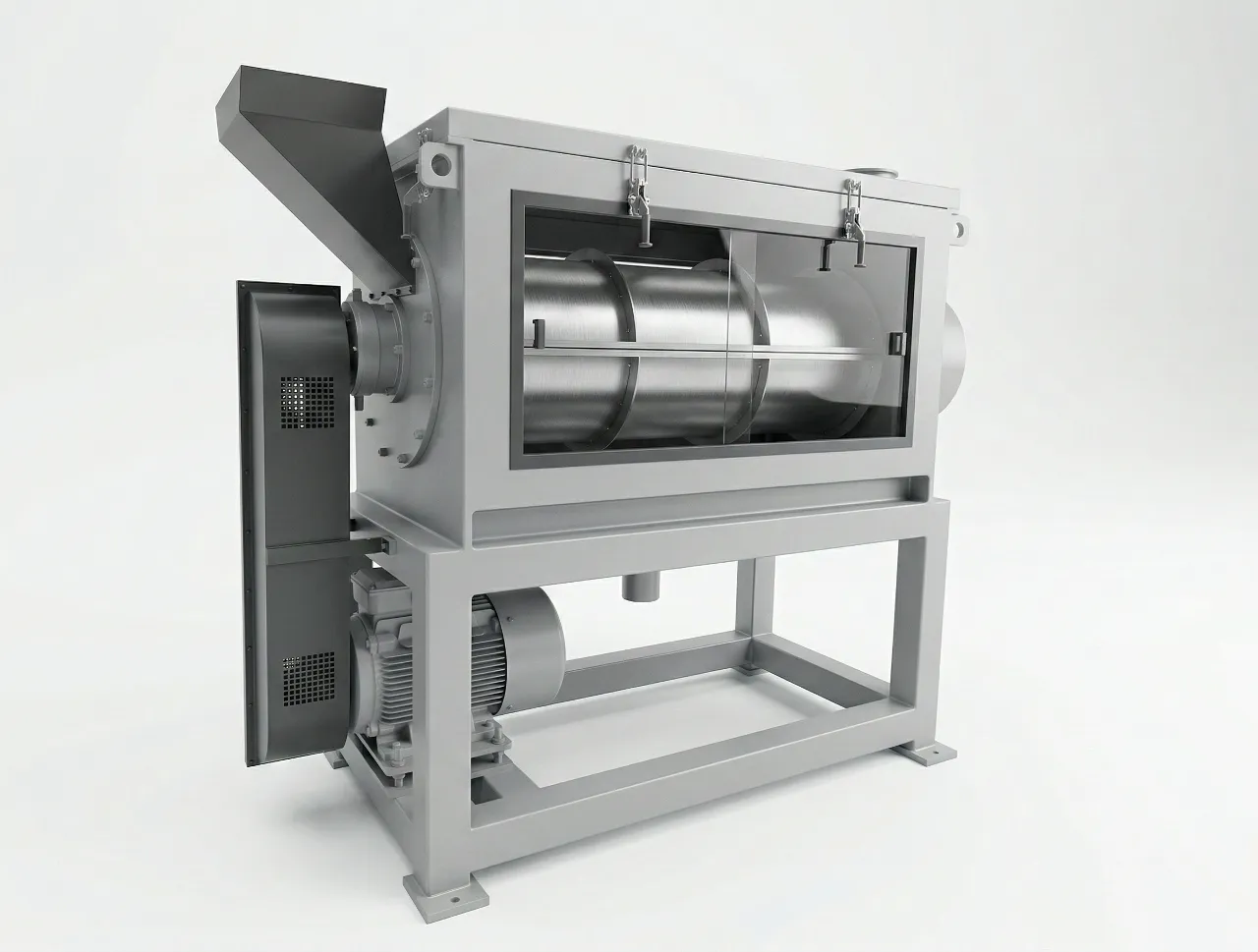
A film centrifugal dryer uses rotor speed and screen discharge to remove free water quickly without treating mechanical dewatering like final drying.

  • Useful as the first drying step after friction washing
  • Lower energy than thermal drying for free-water removal
  • Needs the right screen and rotor setup to control fines and surging

Process View: pre-drying before thermal or squeezer stage

In most film lines, the centrifugal dryer does not end the drying decision. It cuts the water load before a thermal dryer, squeezer, or another final conditioning stage.

  • Reduces thermal kWh burden downstream
  • Helps keep washing lines from bottlenecking at the drying section
  • Makes the next moisture-control stage easier to size
Thermal drying stage after centrifugal dewatering

Film Centrifugal Dryer Demo

A high-speed rotor dryer is most useful when buyers understand it as mechanical pre-drying, not as a standalone moisture claim.

Typical Film Centrifugal Dryer Use Cases

Related searches usually connect this machine to washed film, PET flakes, rigid regrind, and downstream thermal drying. Those are also the routes buyers actually compare.

PP and PE Film Washing Lines

For film fractions that need a fast first dewatering stage before thermal drying or squeezing.

PET Flake Lines

For bulk water removal after washing before the final moisture-control stage.

Rigid HDPE and PP Regrind

For washed rigid fractions where mechanical drying reduces the load on subsequent hot-air drying.

Line Retrofit Projects

For washing lines that need more stable dewatering capacity without jumping directly to larger thermal systems.

Energy-Sensitive Drying Upgrades

For projects trying to move more of the drying task into mechanical dewatering before using heat.

Pre-Drying Before Squeezer or Thermal Dryer

For multi-stage routes where mechanical dewatering is the preparation step before the final moisture window is reached.

Reference Configurations

These are planning references. Real performance depends on material type, particle form, incoming water load, and the moisture target of the next stage.

ConfigurationBest FitTypical Capacity*Key Notes
Compact Film DryerSmaller washing lines and mixed washed film trials400-800 kg/hUsed where mechanical water removal is needed before the final drying stage
General Line DryerMid-size film or flake washing lines600-1000 kg/hA common route when centrifugal drying feeds hot-air drying or a squeezer
High-Capacity Dewatering DryerLarge washing systems1200-2000 kg/hRotor, vibration control, and maintenance access matter more at this range
Centrifugal + Thermal RouteProjects requiring lower final moistureCase-specificTypical when bulk water removal alone is not enough for extrusion or packaging

A centrifugal dryer usually handles free water first. Final moisture claims should be linked to the full drying route, not to the centrifuge alone.

Film Centrifugal Dryer Checklist Before RFQ

These inputs matter more than rotor speed alone when you are choosing a mechanical dewatering route.

Material and Feed Form

State whether the stream is washed film flakes, soft film strips, PET flakes, rigid regrind, or a mixed washed fraction.

Inlet Water Load

Share inlet moisture, upstream washing configuration, and whether the stream arrives after friction washing, sink-float, or rinsing stages.

Next Process Step

Clarify whether the discharge goes to thermal drying, a squeezer, a silo, storage transfer, or a less moisture-sensitive downstream process.

Line Rate and Maintenance Expectations

Send target kg/h, acceptable vibration level, screen maintenance constraints, and available power so the machine is sized as part of the whole washing line.

Why Generic Dewatering Quotes Miss the Real Decision

Decision CriteriaRotor-Only QuoteRumtoo Dewatering Route
Machine roleTreats the centrifuge as final dryingDefines it as the bulk-water-removal stage first
Capacity logicStarts from nominal kg/h onlyStarts from material form, water load, and next-stage target
Energy planningIgnores downstream heat burdenUses mechanical dewatering to reduce later thermal load
Output expectationPromises dryness without route contextLinks output to the full drying configuration

Frequently Asked Questions

Can a film centrifugal dryer replace a thermal dryer?

Usually no when the process needs low final moisture. The centrifugal dryer removes bulk free water first, while the thermal or final conditioning stage handles the remaining residual moisture.

What moisture level can I realistically expect after centrifugal drying?

The answer depends on material type and feed condition. For many projects it is a pre-drying stage rather than the final moisture guarantee, especially for washed film.

Does this machine work only for rigid flakes?

No. It is also used on washed film fractions, but the rotor, screen, and discharge setup need to match the softness and geometry of the real feed.

What happens if the line still needs lower moisture?

The usual next step is thermal drying or another matched conditioning stage such as a film squeezer, depending on the downstream process and target moisture window.

What data should I send before model selection?

Send material type, feed form, upstream washing route, inlet moisture, target kg/h, downstream stage, power supply, and any limits around vibration or maintenance access.

Need a Mechanical Dewatering Stage for Your Film Line?

Share your washed material, inlet moisture, throughput, and downstream drying route. Rumtoo will tell you whether a centrifugal dryer alone is enough or should feed a thermal or squeezing stage.

Request Dryer Proposal