
Industrial Shredders

Bulk Bag Shredder for FIBC & Big Bag Recycling

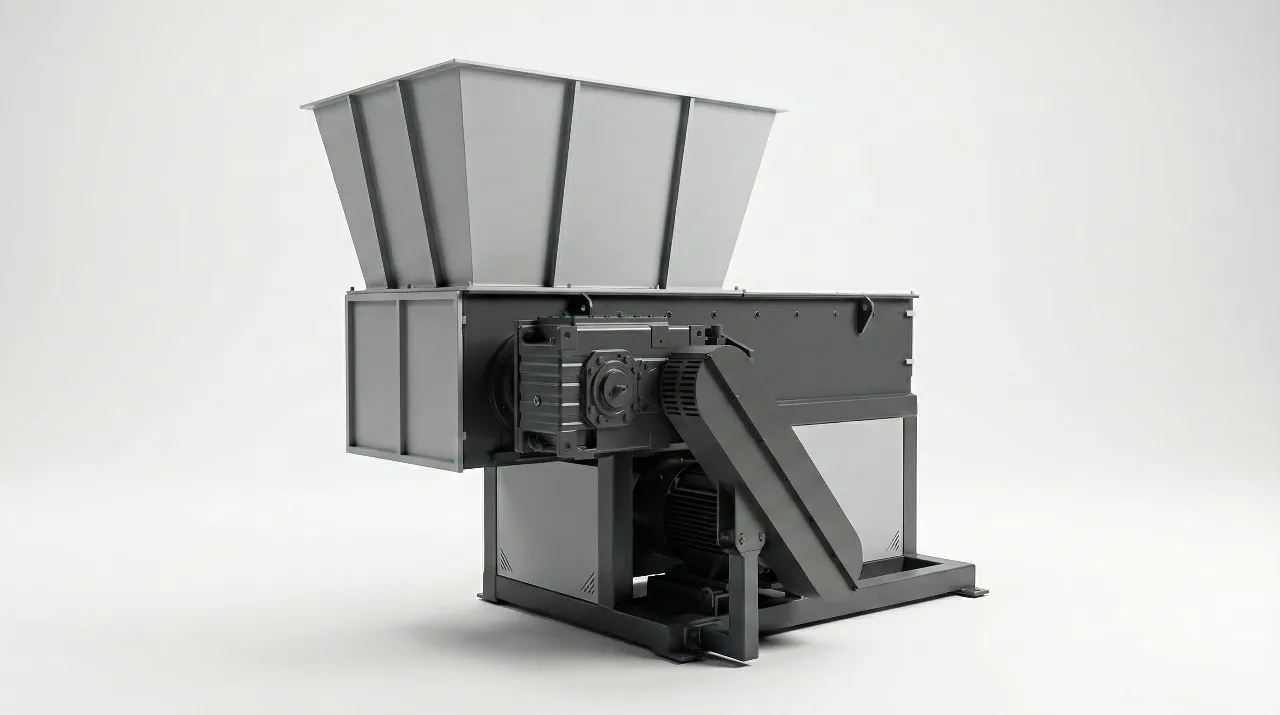
Standard shredders cannot reliably process 1-ton FIBC bags — the oversized dimensions bridge the hopper and the residual powder content clogs cutting chambers. This shredder is configured for bulk bag feedstock: a wide-mouth hopper, heavy-duty dual-shaft rotor, and residue management that keeps large woven bags feeding steadily without machine stops.

Bulk Bag (FIBC) Shredder

How the Bulk Bag Shredder Works

The key differences are the wide feed opening and heavy-duty rotor — both sized for oversized, dense FIBC bulk bags that standard shredders cannot process.

1

Bulk Bag Loading Into Wide Hopper

Whole FIBC bags (up to 1–2 tonnes) are loaded via forklift or crane directly into the oversized hopper. The wide-mouth design prevents bridging — the most common reason standard shredders fail on jumbo bags.

2

Dual-Shaft Rotor Grips and Tears

Counter-rotating dual shafts grip the woven PP material and pull it into the cutting zone. The dual-shaft design handles the thick, layered construction of FIBC bags without slipping on the smooth woven surface.

3

Integrated Residue Handling

Residual powder, granules, or bulk content inside bags passes through the cutting zone and can be separated by a downstream rotary screen or cyclone. This prevents residue from contaminating the shredded PP recyclate.

4

Screen-Controlled Output for Next Process

Shredded PP strips exit through a bottom screen into a blower, conveyor, or washer inlet. Screen size is selected based on whether output feeds a washing line, granulator, or direct pelletizer.

Why This Shredder Is Built for Bulk Bags Specifically

Wide-Mouth Hopper Eliminates Bridging

Standard shredder hoppers are too narrow for 1-ton FIBC bags — material bridges above the rotor and throughput drops to zero. The oversized hopper accepts full bags without pre-cutting.

Dual-Shaft Grip Handles Smooth Woven Surface

PP woven fabric slips on single-shaft rotors designed for film. Counter-rotating dual shafts actively grip and pull the woven material into the cutting zone at a consistent rate.

Residue Management Protects Recyclate Quality

FIBC bags often contain residual powder (cement, fertiliser, chemical). The integrated residue separation configuration prevents contamination from mixing into the shredded PP output.

Sized for Industrial-Scale Bulk Bag Volumes

Capacities from 500 to 3000 kg/h match industrial-volume big bag waste streams from chemical plants, food processing, and agricultural distribution centres.

Common Bulk Bag and FIBC Shredding Problems

Problem

Rumtoo Solution

Full FIBC bags bridge the hopper and do not feed into the cutting zone.

The oversized wide-mouth hopper is dimensioned for full 1-ton bags. Bridging is eliminated by the hopper geometry, not by pre-cutting the bags manually.

Problem

Rumtoo Solution

Smooth PP woven fabric slips off single-shaft film shredder rotors.

Counter-rotating dual shafts actively grip the woven surface from both sides, pulling material into the cutting zone regardless of the fabric's smooth, slippery texture.

Problem

Rumtoo Solution

Residual cement, fertiliser, or chemical powder contaminates the shredded PP output.

The residue separation stage — rotary screen or cyclone — separates fine residue from shredded PP strips before the recyclate moves to downstream processing.

Problem

Rumtoo Solution

Output strips are too long or uneven for the downstream granulator or washer.

Screen size is selected based on the downstream requirement. Multiple screen options from 40 to 120 mm give precise control over output strip size.

Equipment and Material Reference

Visual references for FIBC bulk bag feedstock conditions before and after shredding.

Industrial recycling equipment integration view

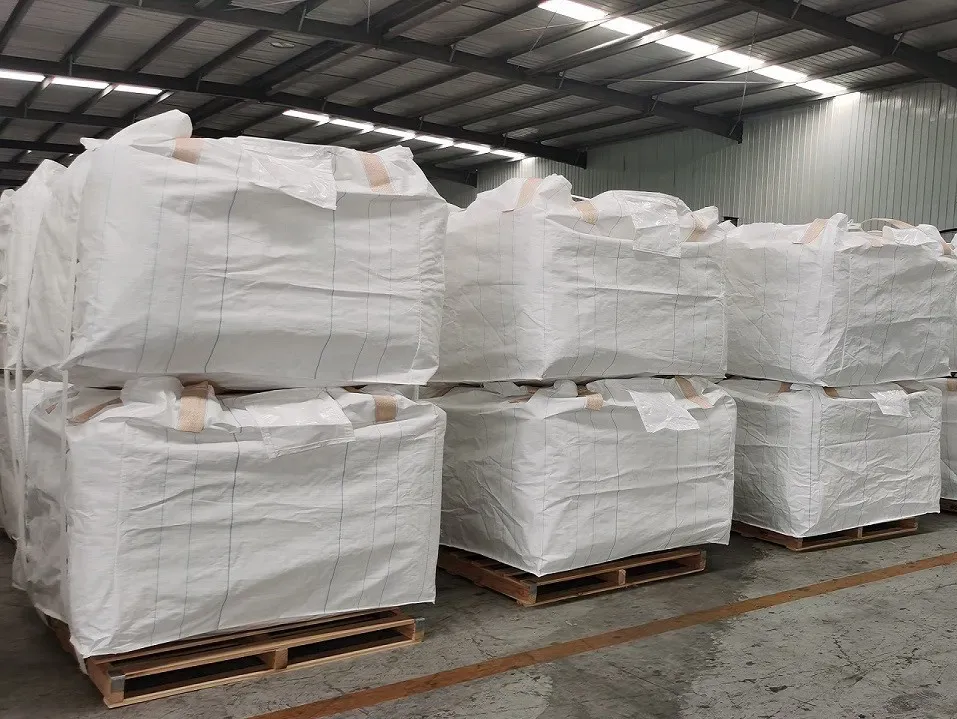
Input Material: FIBC Bulk Bags Ready for Shredding

Standard 1-ton FIBC bags as received from chemical, agricultural, or food industry operations. Use this to confirm bag dimensions, fill level, and residue type before selecting the hopper width and rotor configuration.

  • Handles full and partially-filled 1-ton FIBC bags loaded directly via forklift
  • Wide-mouth hopper prevents bridging — no pre-cutting required for standard bag sizes
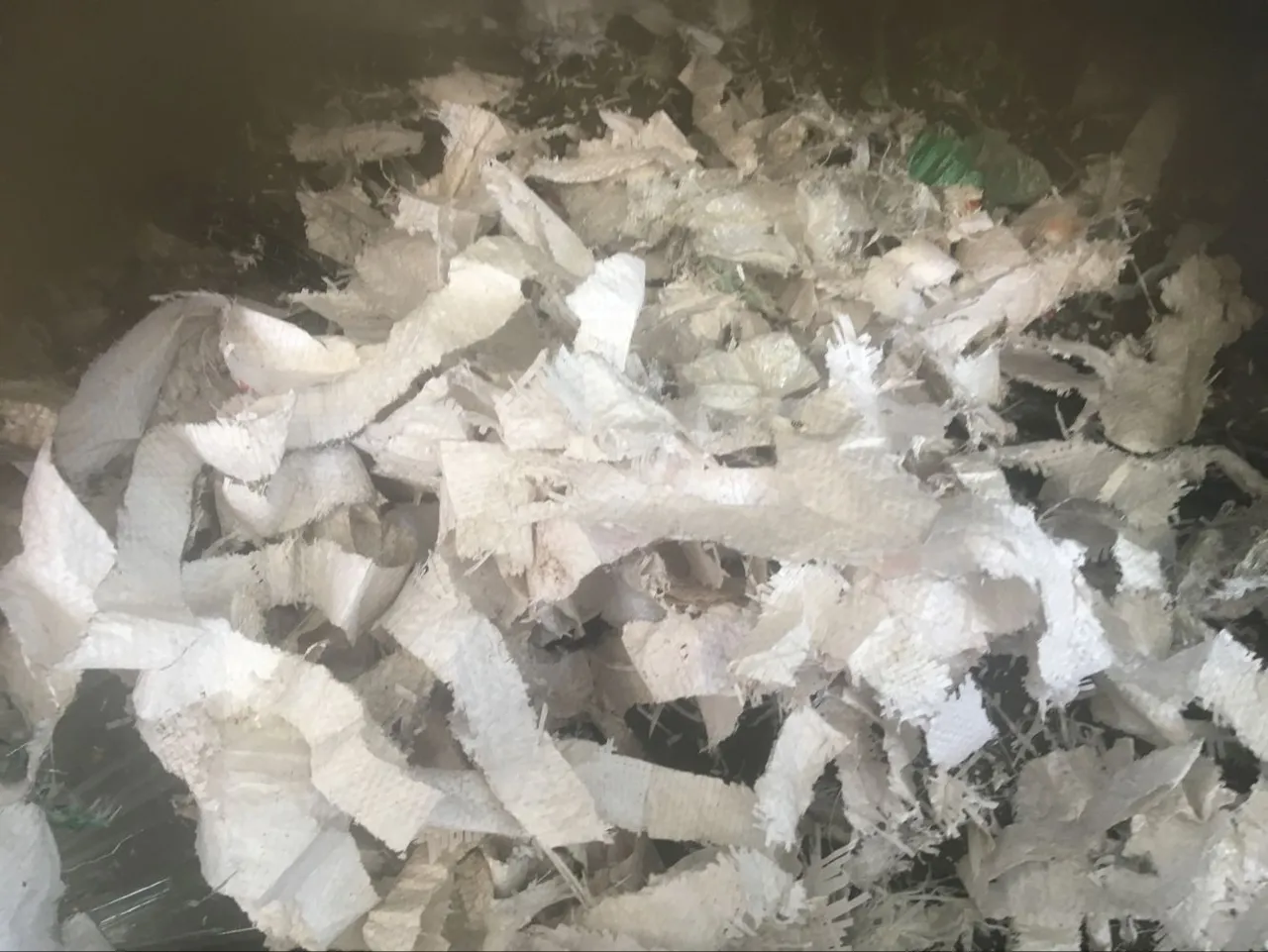
Output Material: Shredded FIBC Woven Strips

Shredded PP woven strips exiting the bulk bag shredder, ready for a washing line, granulator, or direct pelletizer. Strip size is controlled by screen selection based on the downstream process.

  • Typical output strip size: 40–120 mm depending on screen selection
  • Residue separation stage keeps PP recyclate clean before washing or pelletizing
Prepared recycled plastic material

Video Demonstration

View the machine workflow under real operating conditions.

Typical Applications

FIBC / 1-Ton Jumbo Bags

Full and partially-filled FIBC bags from chemical, mineral, and food industries shredded into strips for PP recycling — including bags with residual powder content.

PP Woven Big Bags (Industrial Grade)

Large-format PP woven sacks from agriculture (fertiliser, seed), construction (cement, sand), and food processing shredded for clean recyclate recovery.

Flexible IBCs & Bulk Containers

Oversized flexible intermediate bulk containers and large woven PP packaging that exceeds the feed dimensions of standard single-shaft shredders.

Post-Industrial Big Bag Waste

Bulk bag waste streams from distribution centres, warehouses, and manufacturing plants processed into consistent output for a PP washing and pelletizing line.

Contaminated Woven Sacks

Heavily powder-laden, wet, or soiled big bags from cement, fertiliser, and mining operations — residue is separated before the PP recyclate enters the washing line.

Pre-Shredding for a PP Washing Line

Used as a first-stage size reducer before a friction washer, float-sink tank, and centrifugal dryer — reducing bulk bag volume and improving washing efficiency at downstream steps.

Reference Configurations

ModelTypical ThroughputSizing Reference
BB-500400–600 kg/hDual shaft | 30 kW | Feed 1200×800 mm | Screen 40–60 mm
BB-1000800–1200 kg/hDual shaft | 55 kW | Feed 1500×1000 mm | Screen 50–80 mm
BB-20001500–2000 kg/hDual shaft | 90 kW | Feed 1800×1200 mm | Screen 60–100 mm
BB-30002000–3000 kg/hDual shaft | 132 kW | Feed 2000×1500 mm | Screen 80–120 mm

Use these for planning only. Final model depends on bag dimensions, residue type and volume, required throughput, and whether output feeds a washer, granulator, or pelletizer.

Bulk Bag Shredder Selection Checklist Before RFQ

FIBC shredder sizing depends on bag dimensions, residue type, and downstream process — not just throughput target.

Bag Dimensions and Weight

Specify the full FIBC bag dimensions (L×W×H) and rated capacity (500 kg, 1000 kg, 1500 kg). This determines the minimum hopper opening and rotor width required.

Residue Type and Volume

State whether bags contain residual powder (cement, fertiliser, chemicals, food), granules, or liquid traces. Residue type determines the separation stage required and affects knife wear rates.

Fill Level at Shredding

Confirm whether bags are empty (trace residue), partially filled, or full. Full bags require higher motor power and affect throughput calculations significantly.

Downstream Process

Confirm whether shredded output goes to a washing line, granulator, or direct pelletizer. This determines the required screen size and whether additional residue separation is needed.

System-Level Comparison

CriteriaStandard Film ShredderRumtoo Bulk Bag Shredder
Hopper SizeSized for baled film — bridges on full FIBC bagsWide-mouth hopper accepts full 1-ton FIBC bags without pre-cutting
Rotor TypeSingle shaft — slips on smooth PP woven surfaceDual shaft — grips and pulls woven fabric from both sides
Residue HandlingNo residue separation — contaminates recyclateIntegrated rotary screen or cyclone separates residue from PP strips
Application FitOptimised for lightweight flexible filmConfigured specifically for heavy woven bulk bags and FIBC

Frequently Asked Questions

Can bulk bags be fed whole, or do they need to be cut open first?

Full FIBC bags can be fed directly into the wide-mouth hopper without pre-cutting. The hopper dimensions are sized for standard 1-ton bag footprints. Oversized or non-standard bags should be confirmed before ordering.

What happens to the residual powder inside the bags?

Residue passes through the cutting zone with the shredded PP and is separated by a downstream rotary screen or cyclone. The separation stage is configured based on residue type (fine powder, granules, or trace amounts).

What is the difference between this machine and the film & woven bag shredder?

The film shredder targets lightweight flexible film and standard-size woven bags with an anti-wrap single shaft and hydraulic pusher. The bulk bag shredder is configured for oversized FIBC bags: wider hopper, dual-shaft grip, and residue separation — different problems require different configurations.

Can it handle FIBC bags from chemical or hazardous material applications?

This depends on the residue type and local regulations. Send the bag application and residue description for a specific recommendation on suitable configurations and any additional sealing or extraction requirements.

What data do I need to provide before requesting a quote?

Bag dimensions and rated capacity, residue type and estimated volume per bag, required throughput (kg/h or bags/h), and downstream process (washing line, granulator, or pelletizer).

Need a Bulk Bag Shredder Recommendation?

Send your FIBC bag dimensions, residue type, throughput target, and downstream process. Rumtoo will recommend the right model and residue separation configuration.

Request Bulk Bag Shredder Proposal