Start with Feed Geometry
Long pipes, low-bulk-density film, woven bundles, dense lumps, carpet rolls, and awkward long products do not enter or load the machine in the same way. Geometry is often the first filter before motor power.
Shredder Platform
Choose the right shredder family for your feedstock and process target. Rumtoo configures single shaft, double shaft, pipe, film, and material-specific routes around feed geometry, loading behavior, output size, and downstream integration.

Top results consistently organize shredder content by cutting logic, feed geometry, and downstream role. That is the same structure this page now uses.
Long pipes, low-bulk-density film, woven bundles, dense lumps, carpet rolls, and awkward long products do not enter or load the machine in the same way. Geometry is often the first filter before motor power.
Single shaft routes are usually chosen when controlled output size matters. Double shaft routes are often used for primary tearing. Pipe, film, and special hopper designs exist because the feed behaves differently in the chamber.
Some shredders are primary reducers feeding crushers or washing lines. Others need a tighter screen-controlled output, or they are integrated directly with granulation for one compact process block.
The best shredder quote is built around the next process step: crusher, washing, densifying, pelletizing, or simple volume reduction for storage and transport.
SERP leaders cluster shredder content by machine family and by material. A total page should do the same instead of pretending one machine fits every stream.
A shredder that works on dense lumps may be the wrong choice for woven bags, carpet, or long pipe. Grouping by material family makes selection faster and more accurate.
This page helps buyers distinguish between coarse pre-shredding, screen-controlled secondary shredding, and integrated shredder-granulator layouts.
The family map below gives you a usable IA now and a stable structure for future dedicated pages such as pipe shredders, drawer-type shredders, and desktop units.
Most bad shredder projects fail because the quote was built around nominal throughput instead of feed behavior.
One supplier recommends the same single machine for pipes, film, rigid lumps, and textile waste.
Rumtoo starts with machine family selection first, then refines the hopper, pusher, rotor, and screen around the real feed shape and downstream route.
Long products such as pipe, profile, carpet, or woven rolls bridge at the infeed and create unstable loading.
Pipe shredders, drawer-type feeders, and material-specific hopper layouts are used where a standard top-fed box is not enough.
Low-density film and raffia wrap around the rotor or feed inconsistently into a rigid-plastic setup.
Film and woven-material routes use the correct rotor geometry, pusher logic, and line integration instead of treating flexible material like a rigid purge lump.
The shredder is quoted without reference to the next machine, so output is either too coarse, too dusty, or badly matched to the crusher or washing line.
Rumtoo sizes the shredder as part of a process block, whether it feeds a crusher, washing line, granulator, or an integrated shredder-granulator module.
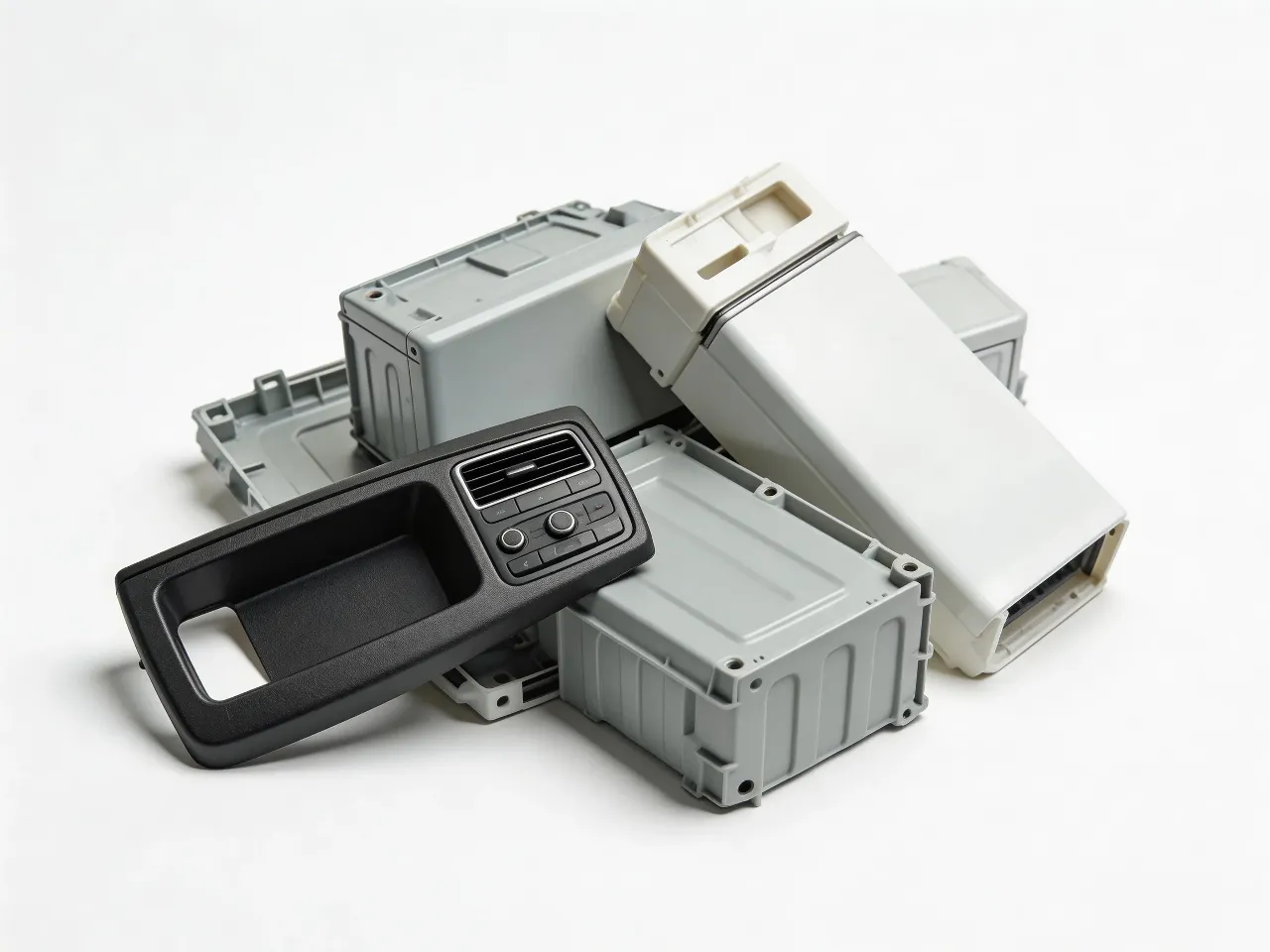
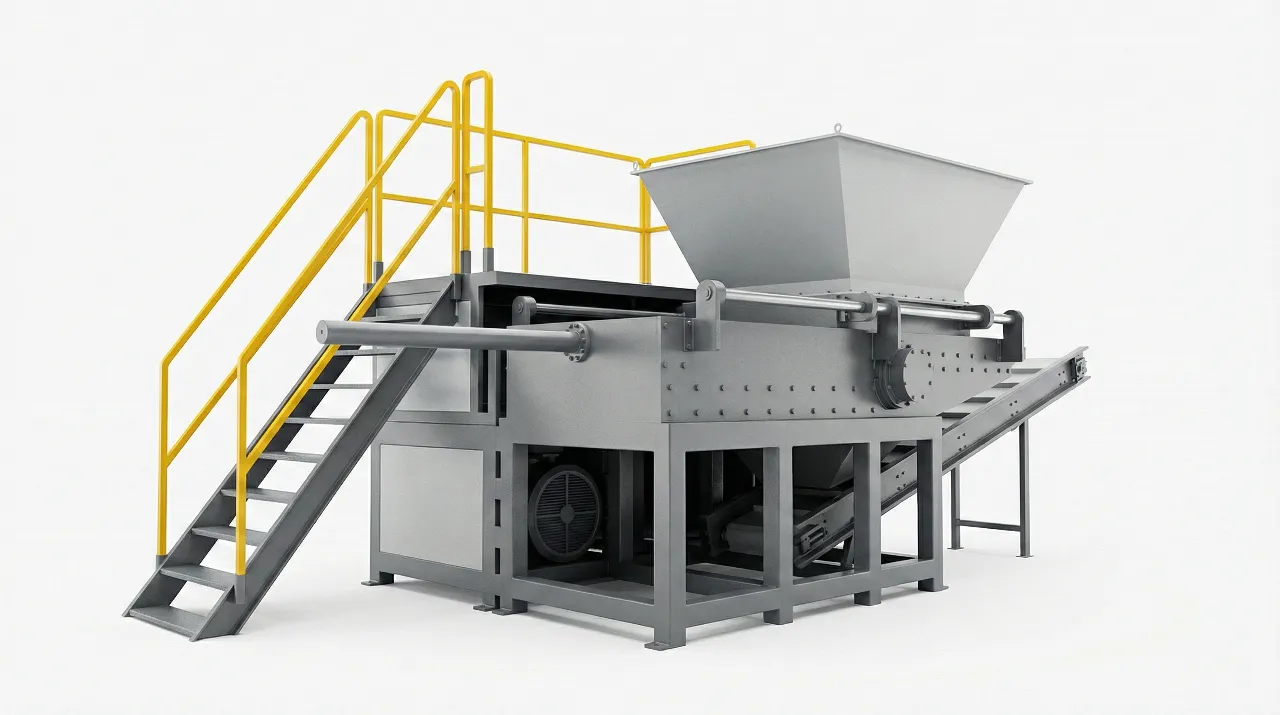
A shredder hub page should show both the machine context and the kind of feed behavior that drives family selection.
Industrial shredders are usually not bought as isolated boxes. They sit between loading, discharge, downstream size reduction, and conveying logic. That is why this page frames shredder choice as part of a line rather than a standalone machine label.
Dense lumps, pipes, film, woven material, textile, and long awkward products do not behave the same way at the hopper or rotor. Feed behavior is what turns a shredder inquiry into a single-shaft, double-shaft, pipe, desktop, integrated, film, textile, lumps, or drawer-type recommendation.

These are the main feed groups buyers use when they scan shredder results, related searches, and manufacturer product clusters.
Startup lumps, die-face purge, dense melt waste, and other heavy feed that need torque and stable infeed control.
PVC, PE, and PP pipe waste, bundled profiles, and long products where the loading geometry is often more important than raw kW.
Stretch film, agricultural film, jumbo bags, woven sacks, and low-density material that tends to wrap, bridge, or surge.
Tough, stringy, and entangling feed that often needs a textile or carpet route rather than a standard plastic setup.
Long, bridge-prone, or difficult-to-grab products where drawer-type feeding improves capture and loading stability.
Front-end size reduction that prepares material for a crusher, washing line, separation stage, or compact line retrofit.
These are planning references, not a claim that one rotor or power band fits every feed stream.
| Shredder Family | Best Fit | Typical Process Role | Typical Notes |
|---|---|---|---|
| Single Shaft | Rigid plastics, lumps, controlled secondary reduction | Feeds crusher, washing, or pelletizing prep | Usually screen-based output control and pusher-assisted feeding |
| Double Shaft | Bulky mixed feed, primary tearing, high grasping need | Coarse front-end reduction | Used where aggression and capture matter more than a tight output fraction |
| Pipe / Drawer-Type | Long pipes, profiles, awkward long products | Specialized infeed reduction | Feeding geometry is usually the critical design point |
| Film / Woven | Low-density flexible materials | Volume reduction before washing, densifying, or pelletizing | Rotor and feed logic must control wrapping and surging |
| Desktop / Integrated | Lab, pilot, or compact reuse loops | Small-batch R&D or one-block reduction | Chosen for footprint, control simplicity, or compact integration |
Real throughput and output quality depend on feed geometry, bulk density, contamination, moisture, target output size, and whether the shredder is acting as a primary or secondary reduction stage.
These are the inputs that matter when you are choosing among shredder families, not only among motor sizes.
State whether the feed is long, bulky, baled, low-density, solid, hollow, fiber-rich, or highly irregular. Pipe, film, carpet, and purgings all load the chamber differently.
Define the core material: pipe and profile scrap, flexible film, woven material, textile and carpet, extruder lumps, or other long awkward feed. Also note metal, sand, labels, moisture, or other foreign material.
Clarify whether you need coarse pre-shredding, screen-controlled output for a crusher, prep for washing, or a compact integrated shredder-granulator route.
Share downstream equipment, conveyor direction, available footprint, loading method, preferred hopper style, power supply, and whether the machine runs as a standalone unit or in a full line.
| Decision Criteria | Generic One-Machine Quote | Rumtoo Family-Matched Route |
|---|---|---|
| Machine Family Selection | Starts with one preferred model | Starts with feed geometry and process role |
| Special Feed Conditions | Long pipes, film, or lumps forced into one layout | Specialized pipe, film, drawer, or compact routes are considered early |
| Downstream Fit | Output role defined late | Crusher, washing, densifying, and pelletizing handoff are defined before machine sizing |
| Future Expansion | Hard to split into dedicated equipment pages later | Creates a clean hub structure for material-specific and family-specific pages |
Start with the process role. Single-shaft machines are commonly selected when controlled output size and screen-based discharge matter. Double-shaft machines are often chosen for aggressive primary tearing of bulky or irregular feed.
When the feed includes long lengths, large diameters, bundles, or bridge-prone profiles. Pipe shredders and drawer-type feeders exist because standard top-fed chambers often do not capture those products consistently.
It is typically used where space is limited or the project needs shredding and secondary reduction in one compact machine block. It can make sense for compact lines, pilot work, or defined in-house reuse loops.
Yes. Desktop and small-batch shredders still belong in the same taxonomy, but they solve a different problem: safe R&D, education, and pilot-scale validation rather than plant-scale throughput.
Send feed photos or video, material type, feed geometry, contamination notes, target kg/h, desired output role, downstream machine list, preferred loading method, and any space constraints. Those inputs decide the family first and the model second.
Share your material, feed geometry, throughput target, and downstream process. Rumtoo will tell you whether to start with single shaft, double shaft, pipe, small desktop, integrated shredder-granulator, film and woven, textile and carpet, extruder lumps, or drawer-type.
Request Shredder Proposal