1
Pre-Sorting and Size Reduction
Bulky drums, crates, and thick-wall containers are opened, sorted, and reduced with a shredder or wet granulator so the washing loop receives a stable particle size instead of oversized pieces.

Rigid Plastic Recycling
Process post-consumer and post-industrial rigid plastics such as milk bottles, detergent containers, jerry cans, crates, buckets, and drums into washed flakes for extrusion or pelletizing. Rumtoo configures pre-shredding, wet granulation, friction washing, sink-float separation, hot wash, and drying around wall thickness, contamination level, and output quality targets.
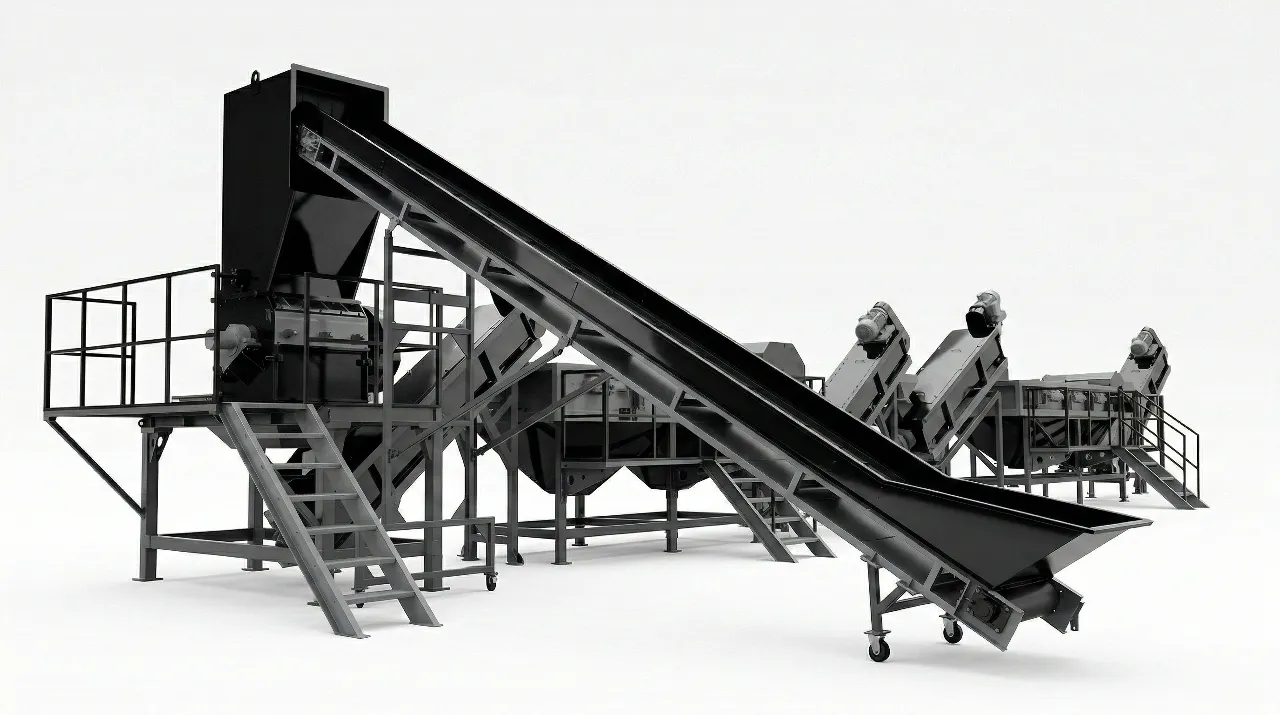
Rigid plastic projects are won by matching size reduction, washing intensity, and drying to the real feed condition.
Bulky drums, crates, and thick-wall containers are opened, sorted, and reduced with a shredder or wet granulator so the washing loop receives a stable particle size instead of oversized pieces.
Water-assisted crushing and friction washing begin to release paper labels, detergent residue, oil, dirt, and loose fines before deeper cleaning stages.
Float-sink tanks remove heavy contamination such as PET, PVC, glass, stones, and metal carryover from HDPE or PP flake streams. Magnetic and non-ferrous control protect downstream equipment.
Mechanical dewatering, hot-air drying, and fines management reduce residual moisture so the final regrind feeds pelletizing, compounding, or direct extrusion more consistently.
Rigid containers do not behave like film. The line is configured around impact load, wall thickness, hollow parts, and the amount of pre-size reduction needed before washing.
Hot wash, friction washing, sink-float separation, and metal control help reduce glue, oil, dirt, paper, PET, PVC, and metal before the flakes reach pelletizing or extrusion.
Rumtoo sizes drying, conveying, and discharge handling according to whether the washed flake goes to pelletizing, direct molding regrind use, or off-site resale.
Bulky drums, crates, and thick-walled parts overload a granulator when they enter the line without proper front-end reduction.
Rumtoo selects the cutting route around part geometry, wall thickness, and contamination level so pre-shredding and wet granulation work as one system instead of competing stages.
Glue, detergent residue, oil, and paper labels stay on the flake after a light rinse.
The washing route is upgraded with higher friction intensity and, where needed, hot washing so residue is dissolved and detached rather than simply moved downstream.
Mixed rigid feed includes PET, PVC, stones, glass, and metal that damage quality or downstream screws.
Sink-float separation, purge control, magnets, and non-ferrous protection are selected around the actual contamination profile instead of assuming a clean bottle-only stream.
Hollow flakes leave the line too wet or too dusty for stable pelletizing and packing.
Mechanical drying, hot-air finishing, and fines removal are matched to the flake geometry and target moisture window so the discharge stays usable in daily production.
Rigid plastic recycling performance depends on preparation, separation, and drying discipline across the full line.
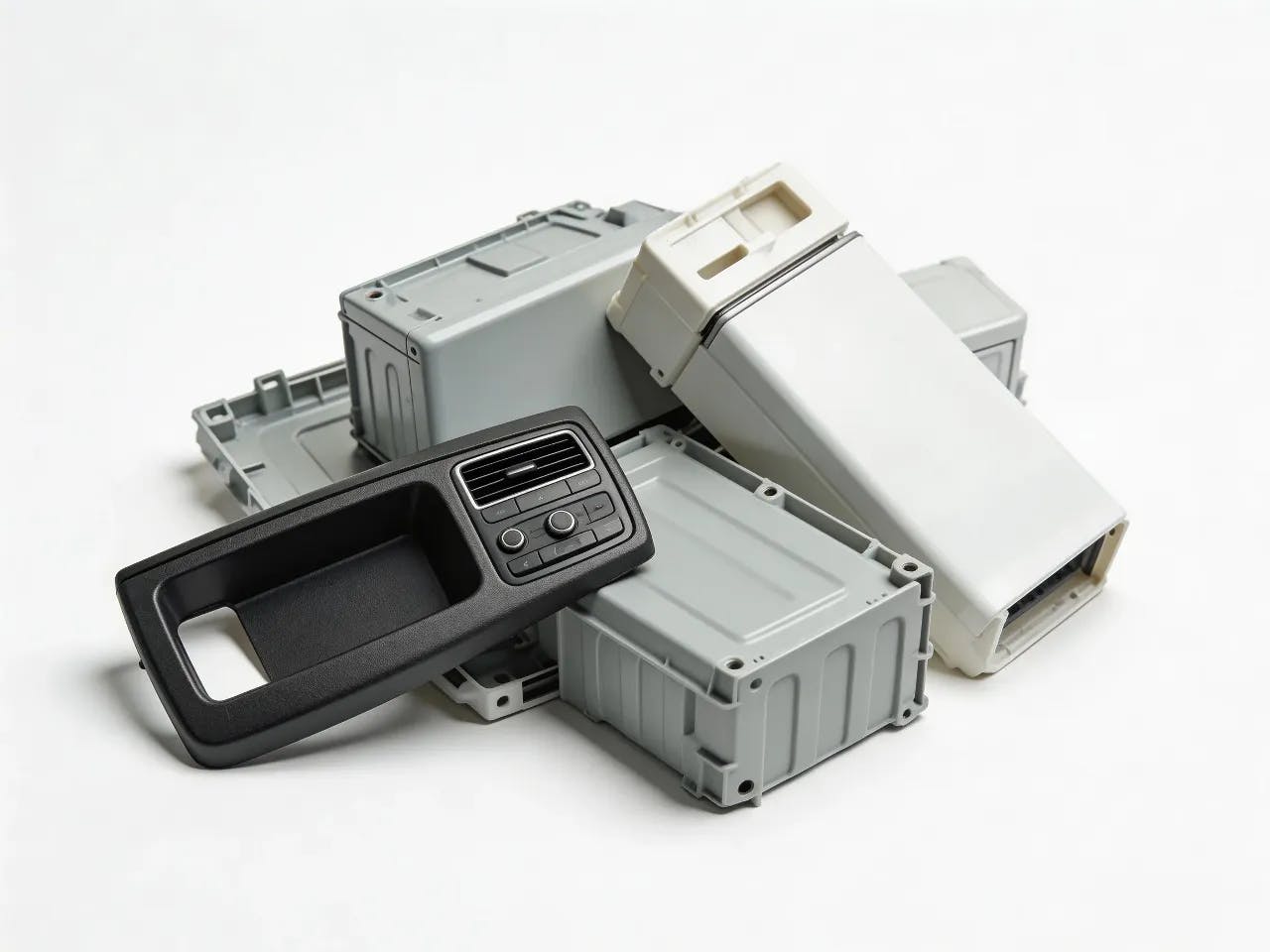
Drums, crates, bottles, and thick-wall parts need the right front-end reduction route before they enter the wash loop. Stable feed size improves washing consistency and reduces overload events.
Sink-float separation, metal protection, and drying are the stages that usually decide whether rigid plastic flakes are ready for pelletizing, extrusion, or resale.

A reference line processing post-consumer HDPE bottles with sorting, washing, and drying modules.
Post-consumer blow-molded bottles that need label, glue, dirt, and residual liquid removal before reuse or pelletizing.
Heavier reusable packaging with thicker walls, higher impact load, and frequent surface contamination from logistics use.
Rigid containers that often require stronger pre-shredding, washing intensity, and contamination management because of residues and wall thickness.
Projects that need stable size reduction plus careful management of embedded dirt, labels, and non-plastic contamination.
Bins, tubs, molded rejects, and production scrap routed through washing when direct reuse is not possible because of contamination or mixed handling history.
Sorting and washing routes for municipal or commercial rigid streams where output is prepared for pelletizing rather than direct premium reuse.
| Line Family | Typical Throughput | Target Feed Scope | Typical Process Route |
|---|---|---|---|
| Rigid Line 500-1000 | 500-1000 kg/h | HDPE bottles, buckets, light rigid packaging | Wet granulation + friction wash + sink-float + drying |
| Rigid Line 1000-2000 | 1000-2000 kg/h | Mixed HDPE/PP containers and crates | Adds stronger sorting, washing, and discharge control |
| Container and Drum Route | 1000-3000 kg/h | Heavier jerry cans, drums, and thick-wall parts | Pre-shredding + wet granulation + optional hot wash + sink-float + drying |
| Final Moisture Window | Project target | Typically below 1% before extrusion or silo storage | Exact target depends on flake geometry and downstream route |
| Utilities | Project-specific | Water recirculation, heat, sludge, and metal handling | Sized by contamination profile and output quality requirement |
Reference values depend on material family, wall thickness, contamination load, label type, residual liquid, metal content, target moisture, and whether the washed flakes go to pelletizing, compounding, or direct extrusion.
The right washing line starts with feed condition and output target, not with a generic kg/h figure alone.
Specify whether the feed is HDPE, PP, mixed polyolefin, ABS, PS, or a separated industrial rigid stream, and describe wall thickness range, hollow parts, and bulk density. For container projects, it helps to note whether the stream is closer to thin bottles or 1-25 mm thick crates, drums, and heavy rigid parts.
Describe labels, glue, oil, detergent, residual product, stones, glass, PET/PVC carryover, metal, and whether containers arrive baled, loose, shredded, or washed once already. If labels are a major issue, specify substrate and adhesive behavior because wash-off performance directly affects flake purity and sink-float efficiency.
Clarify whether washed flakes go to pelletizing, direct extrusion, compounding, or resale, and define target moisture, contamination, color, and flake size if you already test them.
Provide power, water, heating method, wastewater plan, available floor space, preferred automation scope, and any FAT/SAT or sampling criteria required for project acceptance.
| Decision Criteria | Basic Rigid Wash Line | Rumtoo Integrated Rigid System |
|---|---|---|
| Front-End Size Reduction | Single cutting stage for every feed | Shredder and wet granulation selected around part geometry and wall thickness |
| Residue Removal | Light rinse with limited chemistry or friction | Friction wash plus optional hot wash sized to glue, oil, and detergent load |
| Contamination Control | Basic float tank and manual cleanup | Sink-float, purge points, and metal protection aligned to feed contamination |
| Drying and Fines Management | Variable moisture and dust carryover | Mechanical drying and discharge handling matched to pelletizing or extrusion |
| Project Adaptability | Generic layout based on nominal throughput | Configured around real feed variability, downstream route, and utility conditions |
Often yes, but only when the line is sized around the harder material, the contamination profile, and the downstream quality target. A bottle-only route and a heavy crate route usually do not perform the same with one generic setup.
Not every rigid project needs hot washing. It becomes more important when containers carry glue, detergent, oil, sticky residue, or odor that a cold wash and friction stage cannot remove reliably.
Because the washing line is not just removing a sticker, it is controlling what stays with the flake after grinding and washing. Label substrate density, release behavior, and adhesive type all affect sorting, sink-float performance, discoloration risk, and final flake purity.
No. HDPE and PP both float in water, so sink-float tanks mainly remove heavier contamination such as PET, PVC, glass, and metal-linked carryover. PE and PP separation usually requires sorting or downstream process control, not a simple water tank alone.
At minimum, send feed photos, material family, wall thickness range, contamination details, target kg/h, target moisture, downstream use, and available utilities. Those inputs determine whether the line needs pre-shredding, hot wash, stronger drying, or extra separation stages.
Share your feedstock, contamination profile, and downstream route. Rumtoo will return a practical rigid plastic process configuration with key modules, utility notes, and planning inputs.
Request Rigid Line Proposal