1
Start with washed film condition
Agricultural film, post-consumer packaging film, woven bags, and stretch film do not arrive with the same moisture, contamination, or fluffiness after washing.

Drying & Densifying Units
This page is for washed film projects where low bulk density and residual moisture still destabilize pelletizing after washing. Rumtoo helps define when a squeezer-densifier is the right route, what moisture window is realistic, and when thermal post-drying is still required.
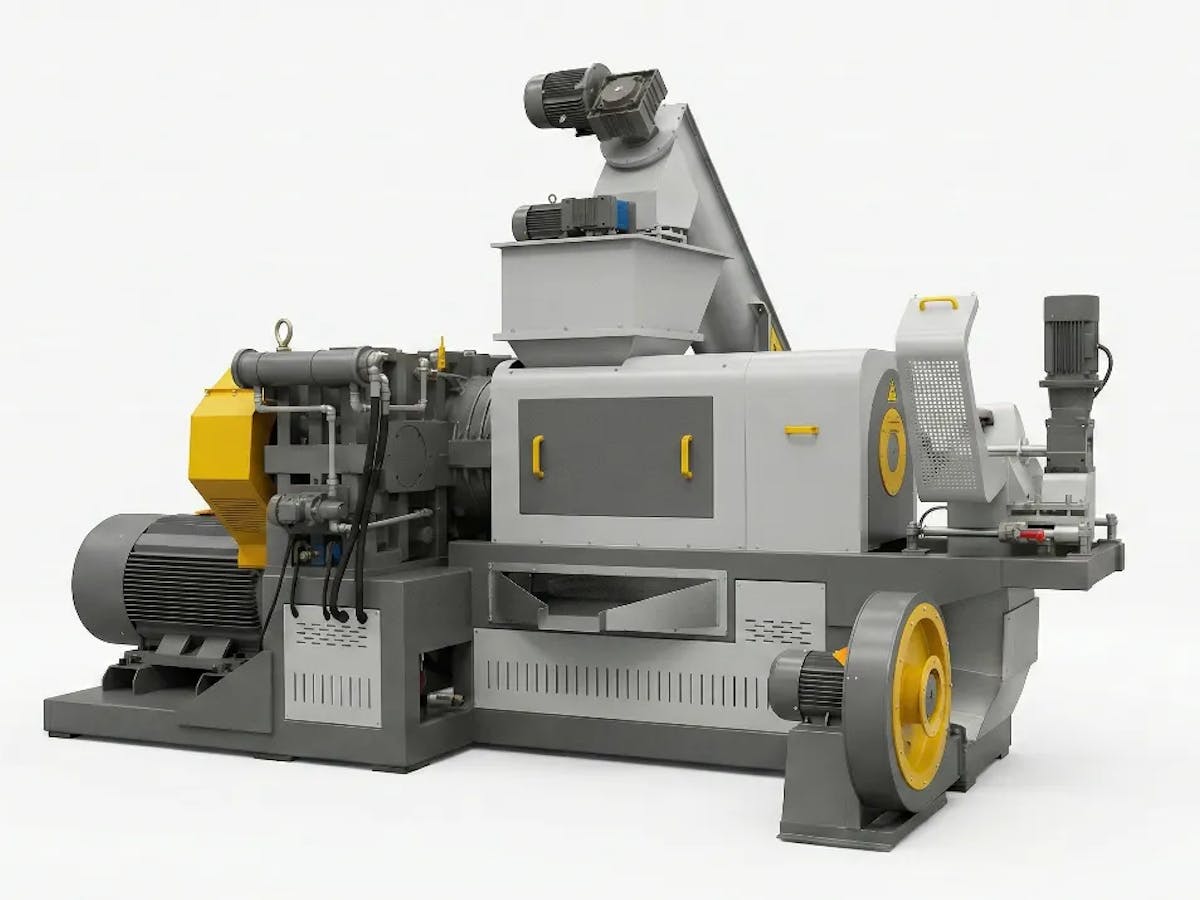
Top result structures repeatedly organize this topic around inlet moisture, density improvement, pelletizer feeding, and the decision between squeezing and thermal post-drying. This page follows that logic.
Agricultural film, post-consumer packaging film, woven bags, and stretch film do not arrive with the same moisture, contamination, or fluffiness after washing.
The key question is not moisture alone. Buyers usually need to know whether pelletizer intake, conveying, and agglomerate consistency are the real bottlenecks.
Some lines can go from centrifugal drying to extrusion. Others need a squeezer-densifier to cut moisture further and make the film feedable before the pelletizer.
Screw diameter, drive, heating support, and discharge density should be chosen around film type, inlet moisture, and the line rate the pelletizer actually has to hold.
The strongest topic clusters do not frame this machine as just another dryer. They frame it as a moisture-and-density control stage before extrusion. That is the correct standard.
A matched squeezer route can reduce residual water enough to cut steam-related instability and reduce the thermal burden on later drying stages.
The machine changes washed film from light, low-density fluff into a denser discharge that conveys and feeds more predictably.
Instead of treating drying, conveying, and extrusion as separate issues, the squeezer is configured as the conditioning bridge between washing and pelletizing.
People-also-ask style questions around this topic repeatedly come back to moisture, feedability, energy use, and whether a squeezer can replace other drying steps.
Washed film leaves the line with too much residual water for stable pelletizing.
Rumtoo reviews inlet moisture, washing efficiency, and pelletizer sensitivity first, then decides whether a squeezer-densifier should replace or reduce downstream thermal load.
Film stays too fluffy and inconsistent for screw feeder or extruder intake.
The squeezer route raises bulk density and creates a more compact discharge so downstream feeding is more consistent.
Plants compare only kW and ignore discharge quality.
Rumtoo treats output density, moisture window, and feeding response as one sizing decision instead of quoting the machine on motor power alone.
Teams assume the squeezer always eliminates thermal drying.
Rumtoo checks the final moisture target and downstream process first. Some projects still need thermal post-drying for tighter targets or sensitive extrusion conditions.
Top-ranking pages in this topic usually show both the machine block and the densified film condition after discharge. Buyers need both views.
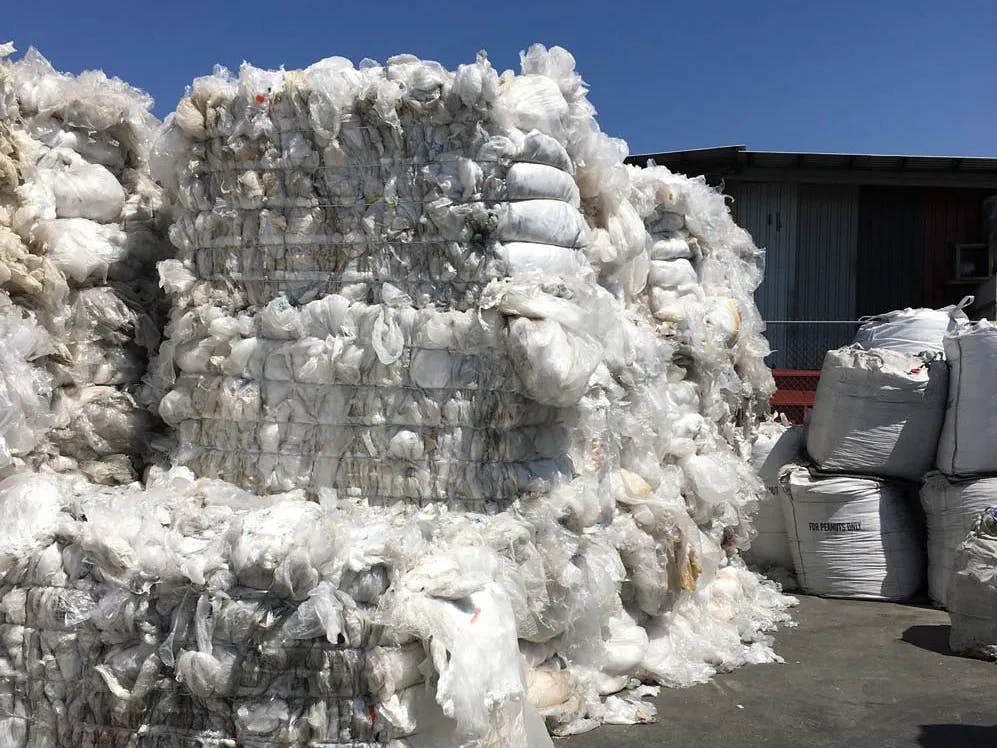
A film squeezer is not just a dewatering screw. It is a pressure, heat, drainage, and discharge-stability block positioned between washing and pelletizing.
The real buying question is whether the discharge leaves the washing line as unstable wet fluff or as denser material that feeds the extruder more consistently.
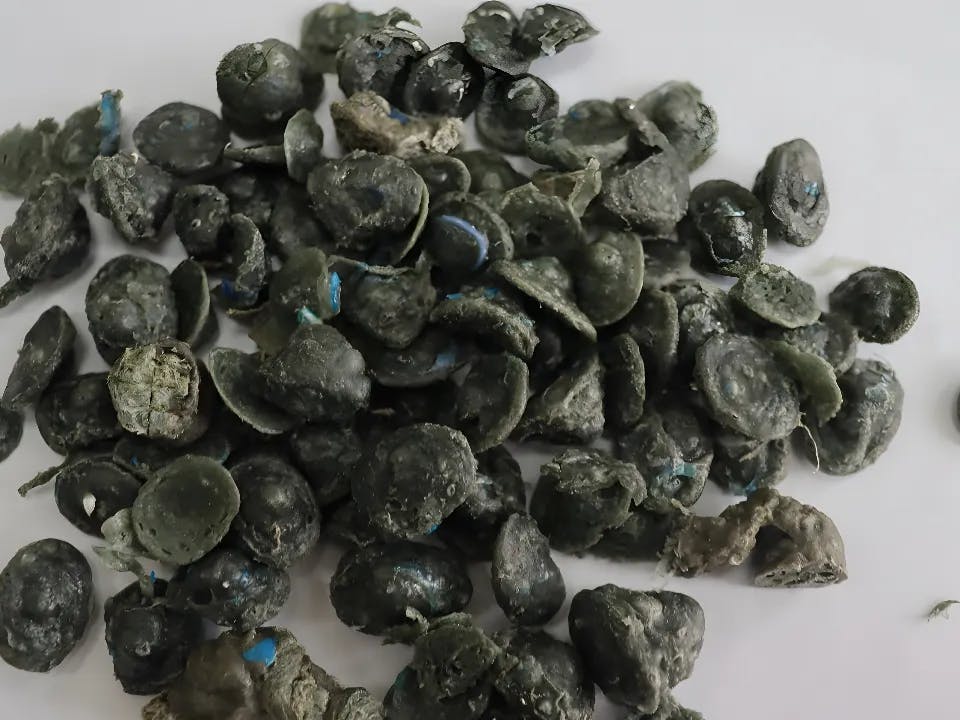
Related searches and manufacturer clusters usually group this topic by washed film type and by downstream pelletizing difficulty. Those are also the practical buying routes.
For LDPE and LLDPE packaging film where washed film still carries too much water and too little density for stable pelletizing.
For woven-bag fractions that need dewatering plus better discharge structure before extrusion or compaction.
For film streams with higher water carryover and more variable contamination after washing.
For existing washing lines where centrifugal drying alone leaves unstable pelletizer intake or excessive thermal drying cost.
For lines where higher density and lower moisture improve feeding behavior into densifying extruders or pelletizers.
For film fractions that vary by thickness, contamination, and washing response and need more forgiving downstream conditioning.
These are planning references. Real output depends on film type, inlet moisture, washing quality, bulk density, and the target discharge condition.
| Configuration | Best Fit | Typical Capacity* | Key Notes |
|---|---|---|---|
| Compact Film Squeezer | Small to mid-size washed PE/PP film lines | 200-350 kg/h | Useful when pelletizer feed is unstable and a tighter discharge condition is needed |
| Mid-Size Squeezer-Densifier | General PP/PE film and woven-bag recovery | 400-550 kg/h | Often selected for film lines where centrifugal drying alone is not enough |
| High-Capacity Squeezer | Heavier film throughput and denser discharge targets | 600-750 kg/h | Drive, screw wear strategy, and heating support become more important here |
| Squeezer + Thermal Finish | Strict residual moisture targets | Case-specific | Used when the project still needs tighter final moisture after densifying |
Claims about final moisture should always be tied to film type, inlet water load, washing efficiency, and whether thermal post-drying is included.
These inputs matter more than screw diameter alone when you are choosing a squeezer-densifier route.
State whether the feed is LDPE film, LLDPE stretch film, PP woven bag, agricultural film, or a mixed post-consumer stream.
Share expected inlet moisture, contamination profile, and whether the upstream washing line already includes friction washing or centrifugal dewatering.
Clarify whether the discharge feeds pelletizing, compactor-extrusion, storage transfer, or an additional thermal dryer.
Send target kg/h, line layout, available power, heating preference, and maintenance constraints around screw and wear parts.
| Decision Criteria | Dryer-Only Quote | Rumtoo Squeezer Route |
|---|---|---|
| Main problem definition | Treats moisture as the only issue | Looks at moisture, density, and pelletizer feeding together |
| Line integration | Quotes the machine as an isolated dryer | Positions it between washing and pelletizing as a conditioning stage |
| Energy view | Assumes more hot air solves the problem | Uses squeezing to reduce thermal load where possible |
| Sizing logic | Starts with nominal capacity only | Starts with film type, inlet condition, and discharge target |
Typical results often fall in a low single-digit residual moisture range, but the real answer depends on film type, inlet moisture, washing quality, and throughput. Final claims should be validated with your own washed material.
Sometimes it replaces or reduces the need for downstream drying stages, but it depends on your material and line layout. Some projects still keep centrifugal or thermal steps as part of the final route.
Not always. When the downstream process has a strict moisture window, thermal post-drying may still be required even after squeezing and densifying.
The most common applications are washed LDPE or LLDPE film, PP woven bags, raffia, and agricultural film fractions that remain difficult to feed after washing.
Send film type, inlet moisture, washing-line layout, target kg/h, downstream pelletizer or extruder route, available power, and any target moisture or density requirement.
Share your film type, inlet moisture, throughput, and downstream pelletizing route. Rumtoo will tell you whether a squeezer-densifier, extra thermal drying, or another configuration makes more sense.
Request Squeezer Proposal