Direct Infeed of Long Rigid Scrap
Long PVC pipes and profiles are fed directly so operators do not need to spend time cutting everything into short pieces first.
Pipe and Profile Crushers
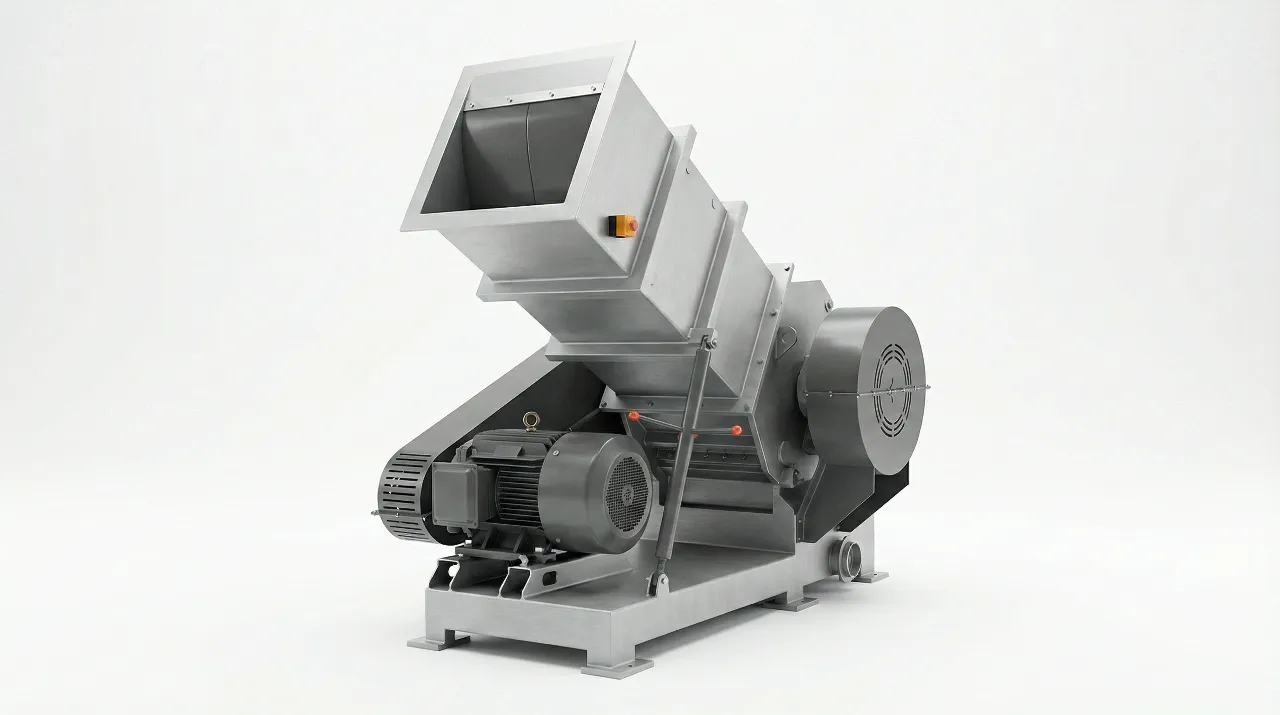
Process long rigid PVC pipes, conduits, and profile scrap without turning the line into a pre-cutting bottleneck. This crusher is configured for direct infeed, stable chip size, and practical integration with conveying, washing, or re-extrusion.

Selection and operation are driven by feed length, wall thickness, and target chip size.
Long PVC pipes and profiles are fed directly so operators do not need to spend time cutting everything into short pieces first.
The cutting chamber geometry helps the rotor grab long parts more evenly and reduce slip, bounce, or unstable loading.
Screen selection controls the chip range, with typical output around 10-18 mm depending on downstream washing or extrusion needs.
Crushed regrind transfers to conveying, dust collection, washing, or direct reuse stages with more stable handling than long bulky scrap.
The core advantage is direct feeding of long and awkward rigid parts that would otherwise consume labor and floor time before crushing.
Feed geometry, rotor design, and screen control improve consistency on rigid PVC pipes, window profiles, and similar extrusion scrap.
Uniform chips are easier to convey, wash, dose, and reprocess than mixed long offcuts or profile bundles.
Operators spend too much time pre-cutting long pipes before size reduction.
This crusher is positioned as a direct-infeed solution for long rigid scrap, reducing one of the most common labor bottlenecks.
Round pipes slip, bounce, or feed unevenly in standard crushers.
The feed opening and rotor-cutting path are matched to pipe and profile geometry to improve grip and reduce unstable loading.
Chip size is inconsistent for washing or re-extrusion downstream.
Screen selection and model sizing are matched to the target output window so the discharge is more predictable.
Users choose by motor power only and ignore pipe diameter or wall thickness.
Rumtoo sizes the machine using feed length, wall thickness, target chip size, and throughput instead of a single power number.
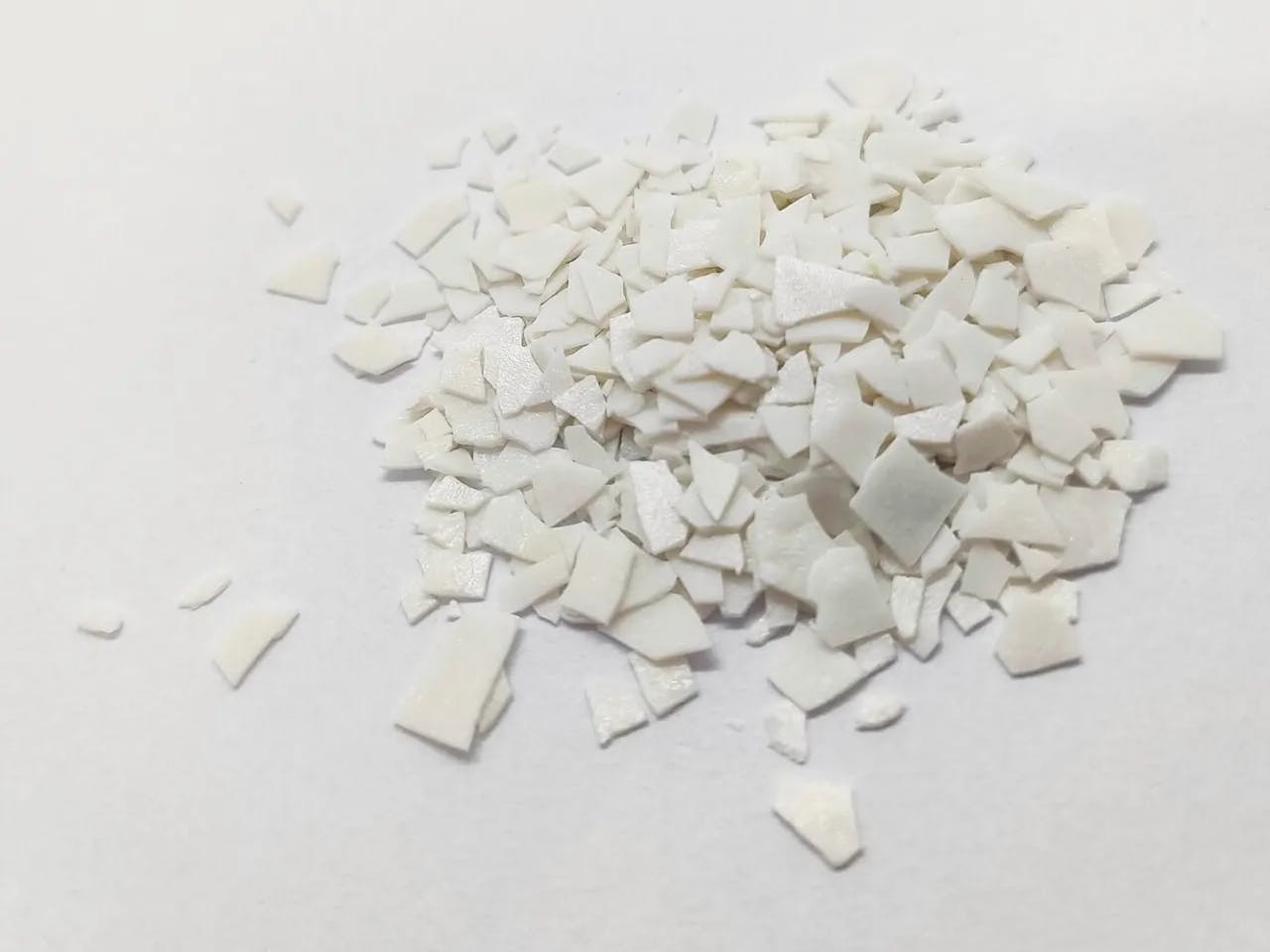
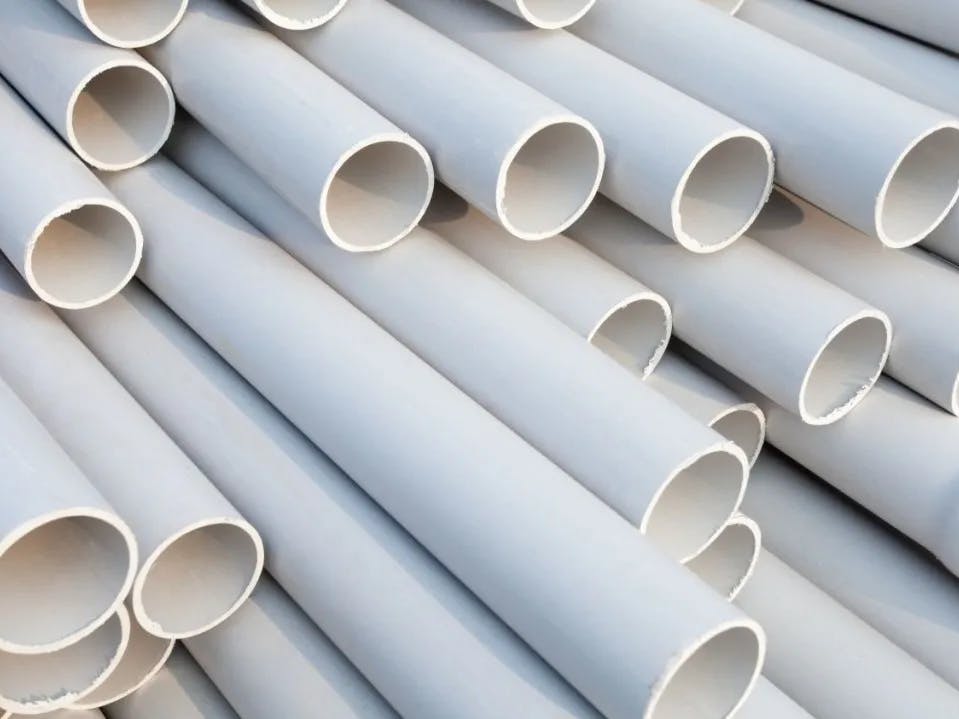
Visual references for PVC input conditions and downstream-ready regrind quality.

Use this reference to evaluate pipe diameter range, wall thickness, and profile geometry before confirming crusher model and rotor width.
This output condition is suitable for stable conveying, washing, and downstream compounding or re-extrusion workflows.

View the machine workflow under real operating conditions.
Handle production offcuts, rejected lengths, and pipe scrap before washing or re-extrusion.
Process long profile waste from building-material extrusion and fabrication plants.
Reduce long rigid extrusions that are awkward to feed into standard top-feed machines.
Selected corrugated or structured pipe scrap can be reduced for downstream separation and handling.
Boards, trims, and profile rejects can be processed when geometry and thickness are confirmed during selection.
Used as a dedicated pipe/profile reduction stage ahead of washing, conveying, or regrind storage.
| Model | Typical Output | Sizing Reference |
|---|---|---|
| VC-PVC-350 | 250-350 kg/h | Rotor 400 mm | 15 kW | Feed opening 400 x 300 mm | Screen 10-12 mm |
| VC-PVC-650 | 550-650 kg/h | Rotor 560 mm | 30 kW | Feed opening 470 x 500 mm | Screen 12-14 mm |
| VC-PVC-900 | 800-900 kg/h | Rotor 830 mm | 75 kW | Feed opening 800 x 800 mm | Screen 14-16 mm |
| VC-PVC-1200 | 1100-1200 kg/h | Rotor 900 mm | 110 kW | Feed opening 900 x 900 mm | Screen 16-18 mm |
Use these models for fast pre-selection. Final sizing depends on pipe diameter, wall thickness, feed length, material rigidity, and target chip range.
These inputs matter more than a generic request for “a 30 kW” or “a crusher for PVC”.
Provide pipe diameter range, wall thickness, profile width, and the maximum length of the parts to be fed directly.
Specify rigid PVC, PPR, PE, PP, filled profiles, or mixed extrusion scrap. Different materials change cutting load and wear rate.
State the required chip window and kg/h so screen size, rotor width, and motor selection match the downstream process.
Tell us whether discharge goes to a blower, conveyor, washing line, dust collector, or direct reuse so the outlet and interfaces are sized correctly.
| Decision Criteria | Basic Crusher Setup | Rumtoo Pipe/Profile Crusher |
|---|---|---|
| Handling Long Parts | More pre-cutting and manual preparation | Direct infeed reduces labor on long pipes and profiles |
| Feed Stability | Higher risk of bounce or slipping | Geometry tuned for long rigid scrap feeding |
| Chip Control | Output varies more by material behavior | Screen and model are selected around target chip range |
| Selection Logic | Chosen by motor only | Chosen by diameter, thickness, length, and downstream need |
It is designed specifically for long rigid scrap and often reduces or eliminates the need for pre-cutting, but the final answer depends on pipe diameter, wall thickness, and model size.
Send pipe diameter range, wall thickness, maximum feed length, target chip size, and required kg/h. Those inputs matter more than motor power alone.
Yes, selected PE, PP, PPR, and profile scrap can be evaluated, but knife configuration and model sizing should be checked against the actual feedstock.
That depends on the next step. Washing, conveying, and re-extrusion often require different chip ranges, so the screen should be selected around the downstream process instead of by default.
Send your pipe dimensions, profile geometry, target chip size, and throughput. Rumtoo will recommend a practical model and line interface.
Request Crusher Recommendation