
PET Bottle Recycling

PET Bottle Washing Line for High-Purity rPET Flakes

Convert baled post-consumer PET bottles into washed flakes for bottle-to-bottle decontamination routes, APET sheet, strap, and fiber. Rumtoo configures de-baling, label removal, hot washing, sink-float separation, metal control, and drying around your bale profile, PVC risk, and final flake specification.

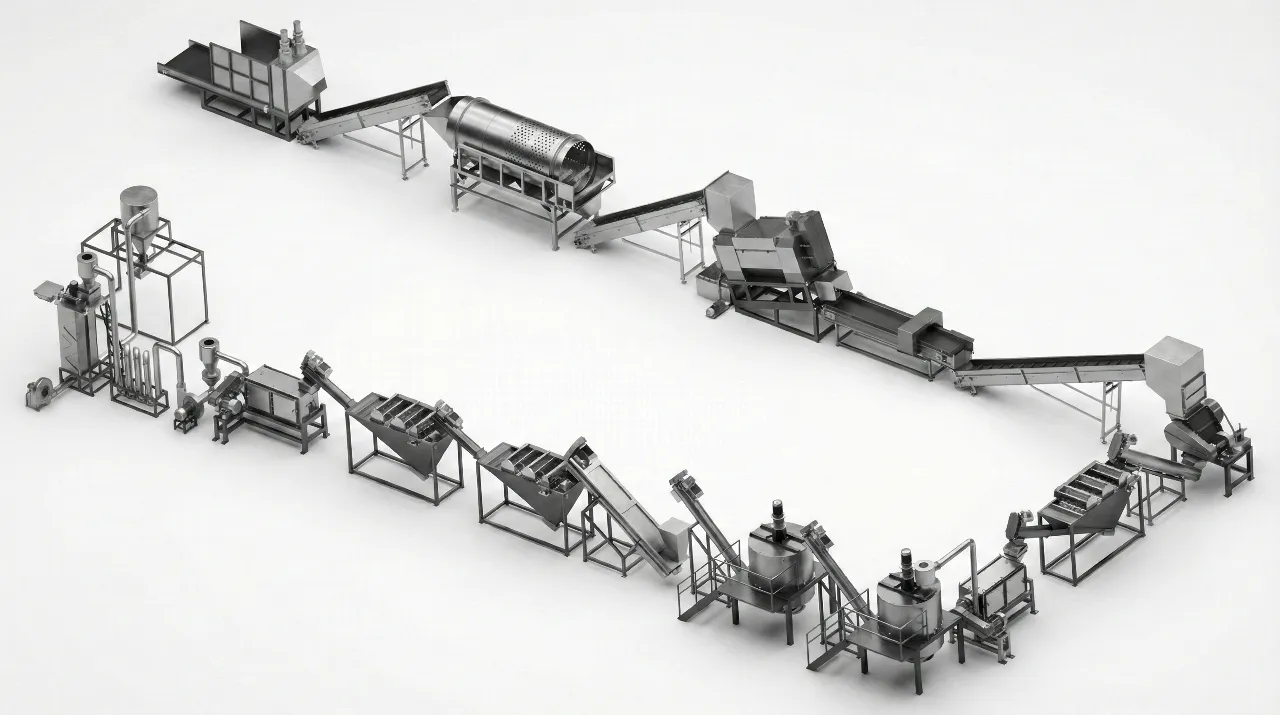
PET bottle washing line installed in a recycling factory

PET Bottle-to-Flake Workflow

The line is built around contamination control, not just mechanical throughput.

1

De-Baling, Sorting, and Dry Label Removal

Compressed bottle bales are opened into a stable flow. Pre-sorting removes metal, non-PET containers, and visible PVC or full-body sleeve risk before size reduction.

2

Wet Granulation and Label/Fines Release

Bottles are wet-crushed into flake while water-assisted scrubbing starts to release paper, film labels, sugar residue, dirt, and fines before deep washing.

3

Hot Wash + Friction Rinsing

Hot washing dissolves glue, organics, oils, and difficult residues. Friction washers and rinse stages then strip loosened contamination from the flake surface.

4

Sink-Float, Metal Control, and Drying

Sink-float tanks remove PP/PE caps, rings, and light carryover. Metal detection, centrifugal drying, and thermal stages prepare PET flakes for stable storage, SSP feed, or extrusion.

Why PET Projects Need a Dedicated Process Route

Better PVC and Polyolefin Risk Control

PET projects fail on small amounts of wrong material. Sorting, label control, and sink-float separation reduce PVC and PP/PE carryover before flakes reach downstream melting.

Cleaner Flakes with Lower Glue and Organic Load

Dry and wet label removal, hot wash, and repeated rinsing help reduce adhesive residue, sugar, dirt, and odor so the flake is easier to sell or process.

Moisture Control for SSP and Extrusion Routes

PET is moisture-sensitive. Matched drying and handling reduce hydrolysis risk before downstream decontamination, sheet extrusion, strapping, or fiber production.

Common PET Bottle Recycling Problems and Fixes

Problem

Rumtoo Solution

PVC contamination, neck-label films, or full-body sleeves damage PET flake value and can ruin melt processing.

Front-end sorting, label removal strategy, and flake purification are built around the actual bottle mix instead of assuming every bale behaves the same.

Problem

Rumtoo Solution

Residual glue and sticky label debris keep showing up after washing.

Hot wash temperature, chemistry, residence time, and friction stages are tuned to dissolve and remove adhesive rather than simply move it downstream.

Problem

Rumtoo Solution

Municipal bale quality changes week to week, causing unstable flake purity and more stoppages.

Rumtoo sizes pre-wash, purge points, sorting intensity, and water handling around the contamination baseline instead of a nominal nameplate only.

Problem

Rumtoo Solution

Flakes leave the line too wet, too dusty, or too variable for the next stage.

Drying, fines management, and discharge handling are matched to the actual downstream route so the flake can move consistently into SSP, extrusion, or packing.

Machine and Process Reference

A quick visual check of incoming bottle condition and final flake quality for PET line evaluation.

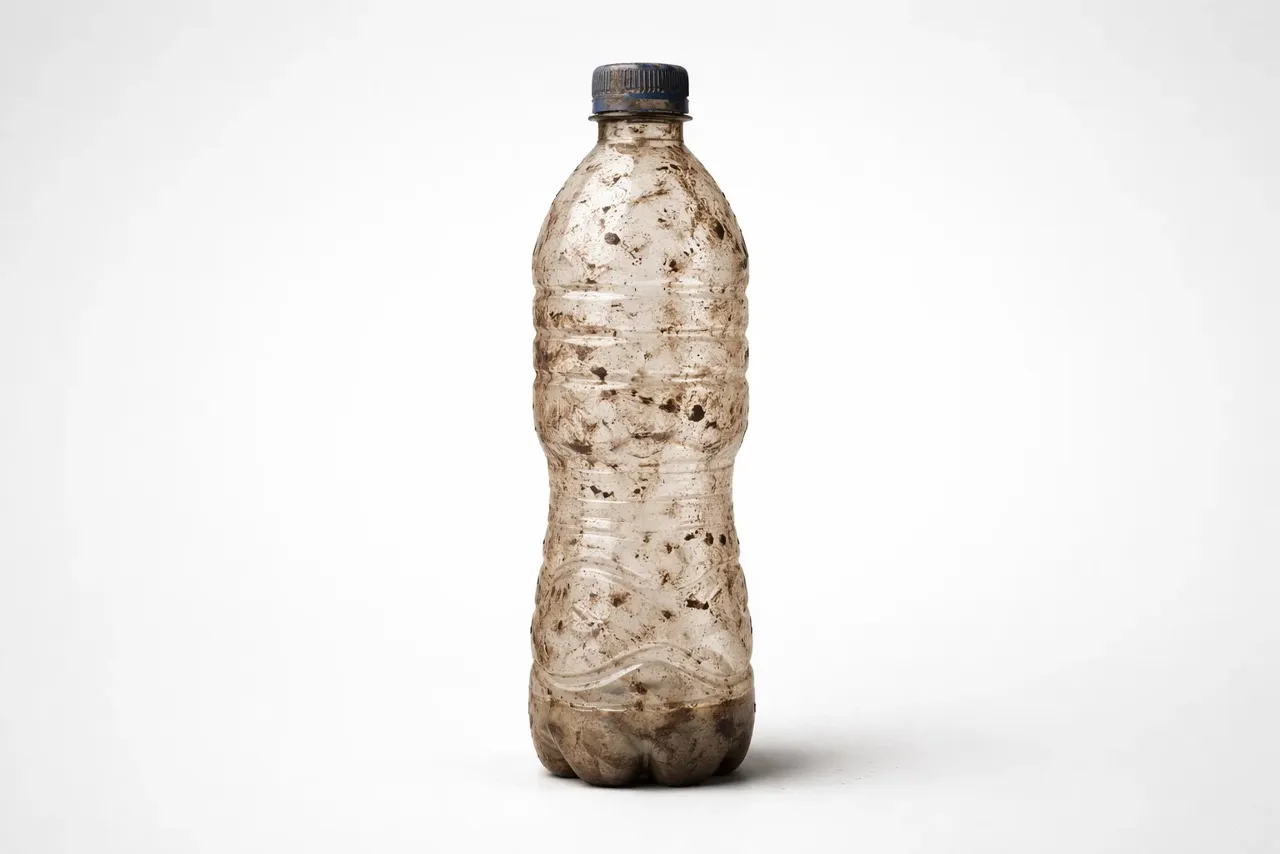
Post-consumer PET bottles before washing

Post-Consumer PET Bottle Feedstock

Real PET bottle projects start with mixed post-consumer input carrying labels, caps, dirt, and moisture. Front-end sorting, debaling, and pre-wash stages have to stabilize this material before deep washing.

  • Shows the contamination load the front end must absorb
  • Helps size debaling, sorting, label removal, and pre-wash intensity
  • Sets the baseline for water use, hot wash, and separation strategy
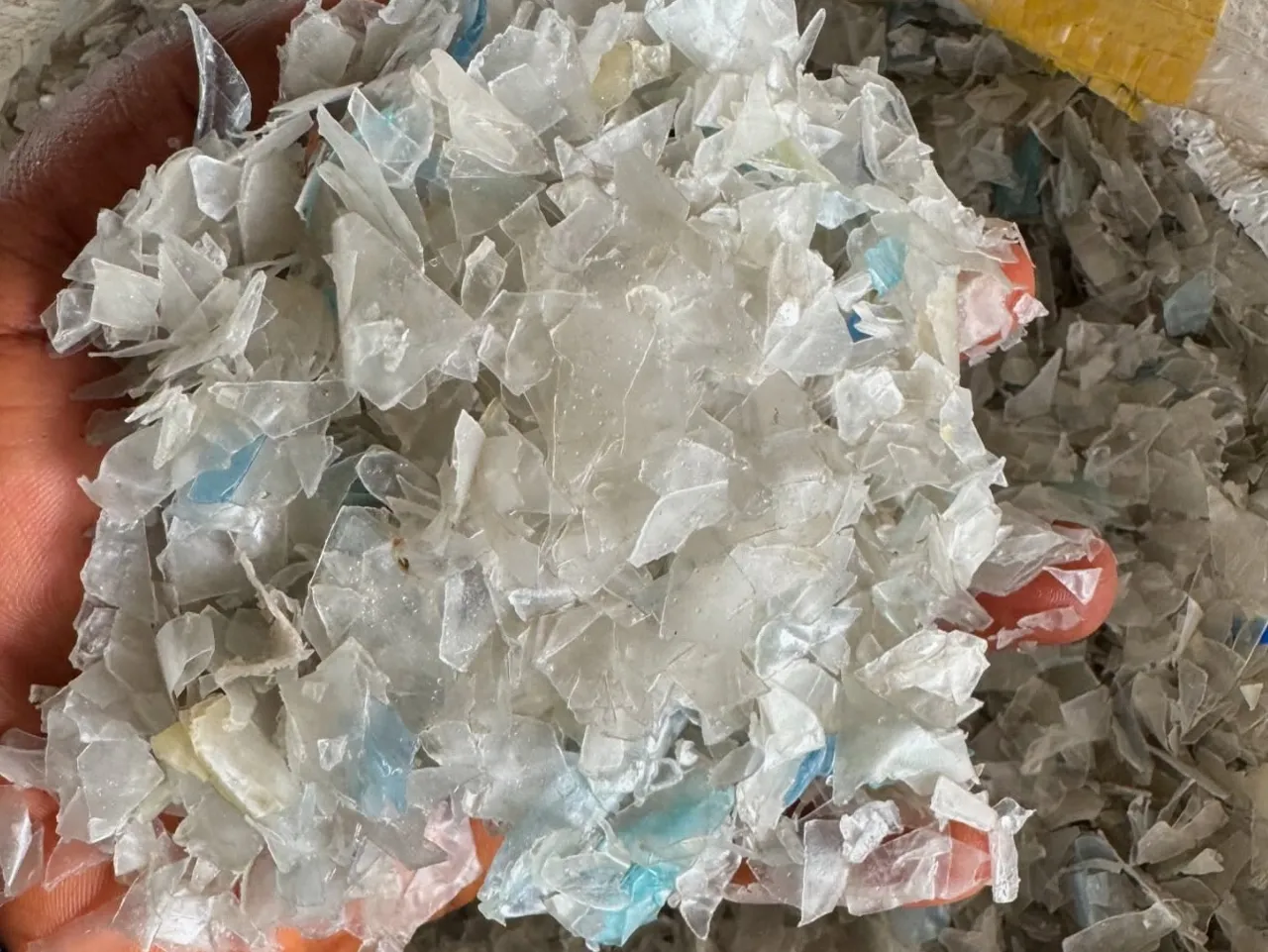
Washed PET Flake Output Reference

Final washed flake quality is judged by cleanliness, label carryover, moisture, and particle consistency. This is the material condition downstream buyers evaluate for sheet, fiber, or pellet routes.

  • Useful for checking fines, color mix, and residual label carryover
  • Reflects how well washing, sink-float, and drying are performing
  • Closer to the saleable quality target required by downstream users
Washed PET bottle flakes after recycling

PET Bottle Washing Line Video

A working view of PET bottle washing, friction cleaning, and line-side material handling.

Typical Downstream Routes for Washed PET Flakes

Bottle-to-Bottle Decontamination Routes

Super-clean washed flakes prepared for SSP or approved decontamination processes used in bottle-grade recycling projects.

APET Sheet and Thermoforming

Flakes for sheet extrusion where color, glue residue, and moisture control directly affect clarity and downstream processing stability.

Polyester Staple Fiber (PSF)

A common route for washed PET flakes when projects target stable feed preparation for spinning and fiber applications.

PET Strapping

Washed flakes used in strapping projects that need cleaner feed and lower contamination carryover into extrusion.

Flake Supply for Reclaimers and Compounders

High-purity washed flake sold as an intermediate feedstock when the project stops before pelletizing or bottle-grade decontamination.

Mixed-Color or Non-Clear PET Projects

Lines configured around bottle color mix, label burden, and bale source when output targets are fiber or industrial-grade instead of clear B2B.

Reference Configurations

Line FamilyTypical ThroughputTarget Output ConditionTypical Process Route
PET Line 500-1000500-1000 kg/hWashed flake for fiber or sheet routesDebaling + label removal + wet crush + hot wash + sink-float + drying
PET Line 1000-20001000-2000 kg/hHigher-purity flake with tighter contamination controlAdds stronger sorting, rinsing, and drying control
Bottle-Grade Prep Route2000-5000 kg/hSuper-clean flakes prepared for SSP inputRequires tighter sorting, hot wash control, metal removal, and final QC
Final Moisture WindowProject targetTypically below 1% before storage or extrusion prepExact target depends on downstream route and handling method
UtilitiesProject-specificWater recirculation, heat, sludge, and QC planningSized by bale contamination, label load, and quality target

Reference values depend on bale source, label mix, PVC risk, PO carryover, color split, downstream route, and the laboratory quality targets defined by the project.

PET Bottle Line Checklist Before RFQ

These inputs matter more than a nominal kg/h figure when the project is judged on flake purity and downstream acceptance.

Bale Profile and Bottle Mix

Specify whether the feed arrives baled or loose, then define clear, light blue, green, mixed color, or opaque bottle content, plus the share of water bottles, CSD bottles, oil bottles, trays, or non-bottle PET.

Contamination and Packaging Mix

Describe PVC risk, aluminum closures, paper labels, shrink sleeves or full-body sleeves, label substrate density, wash-off or non-wash-off adhesive behavior, sugar residue, dirt, stones, metal, and polyolefin cap/ring load.

Output Route and Quality Targets

Clarify whether the flake goes to SSP, sheet, strap, fiber, or resale, and define moisture, PVC, PO, color, dust, and glue targets if you already test them.

Utilities, Layout, and Acceptance Plan

Provide power, water, heating method, sludge and wastewater plan, floor space, and any FAT/SAT or sampling criteria you need for line acceptance.

System-Level Comparison

Decision CriteriaBasic PET Wash LineRumtoo PET Integrated System
Label and Glue RemovalLimited to a basic mechanical routeDry/wet removal + hot wash + friction logic matched to bottle mix
Contamination Risk ControlWeak handling of PVC and PO carryoverSorting, sink-float, and purge logic designed around purity targets
Moisture and Discharge StabilityVariable moisture and fines loadDrying and discharge matched to SSP, extrusion, or storage route
Adaptability to Bale VariationSet up once and hope for consistencyProject design and operating windows account for changing municipal bale quality
Downstream ReadinessGeneric washed flake outputFlake route aligned to bottle-grade, sheet, strap, or fiber objectives

Frequently Asked Questions

Is hot washing always required in PET bottle recycling?

Not every PET project uses the same hot-wash intensity, but most post-consumer bottle lines need a hot wash stage to remove glue, organics, and difficult residue. The right setup depends on bale quality and downstream flake target.

Does the washing line alone make the flakes food-contact approved?

No. Food-contact use depends on the full approved recycling route and regulatory assessment. The washing line is the critical super-cleaning front end, but bottle-to-bottle projects usually still rely on validated downstream decontamination such as SSP and customer-specific compliance review.

Which contamination metrics matter most before quotation?

At minimum, buyers should define whether the feed is baled or loose, bottle color mix, label format, full-body sleeve burden, adhesive release behavior, PVC risk, PP/PE cap and ring load, dirt and organics, target moisture, and the downstream flake use. Those factors drive sorting, hot wash, sink-float, and drying scope.

Why do full-body sleeves and adhesive systems matter so much in PET bottle recycling?

Because they influence both sorting and washing performance. Full-body sleeves can hide bottle resin during optical sorting, while adhesive type and label substrate determine how much residue, discoloration risk, and floating contamination remain after grinding, hot wash, and sink-float separation.

Why are PVC and polyolefin carryover such a big issue in PET flakes?

PVC can degrade and discolor PET during melt processing, while PP/PE caps and rings reduce final resin consistency. PET lines are judged not just by throughput, but by how tightly they control these contaminants lot after lot.

Need a PET Bottle Washing Line Proposal?

Share your bale profile, contamination mix, and target flake route. Rumtoo will return a practical PET process configuration with key modules, utility notes, and planning inputs.

Request PET Line Proposal