

Reciclagem de Espuma e Redução de Volume

Prensa Fria EPS para Blocos Densos

Sistema mecânico de compressão a frio para EPS, EPE, EPP, XPS e PUR, sem fusão térmica ou aditivos químicos.

  • Redução típica 30:1 a 50:1
  • Compressão mecânica a frio sem fusão
  • Capacidade CP250 de referência 80-120 kg/h
Rolar
EPS foam cold press machine

Related Foam and Pelletizing Routes

Foam projects often begin with volume reduction before pelletizing or downstream remanufacturing.

Recycling Pelletizing Lines

Compare pelletizing routes when densified foam will later be converted into pellets.

View Pelletizing Hub

Drying & Densifying Units

Review other conditioning equipment used between washing, dewatering, and extrusion.

View Densifying Equipment

Industrial Shredders

Use primary shredding when oversized foam or mixed bulky waste needs reduction before compression.

View Shredders

How EPS Cold Pressing Works

The cold press route reduces transport and storage cost while preserving recyclable material value.

1

Feed Bulky Foam Waste

EPS boxes, trays, boards, cups, or similar foam scrap enter the hopper for controlled feeding.

2

Pre-Crush Oversized Pieces

Integrated crushing blades break large foam pieces into manageable fragments before compression.

3

Compress with Screw Pressure

A high-torque screw conveys and compresses the foam, pushing out trapped air without heat.

4

Discharge Dense Blocks

Foam exits through a forming die as compact blocks that are easier to store, ship, and sell.

Why Use a Cold Press for Foam Recycling

The main value is reducing an extremely low-density waste stream before transport or further recycling.

Major Volume Reduction

Typical compression ratios from 30:1 to 50:1 can cut storage space and freight cost dramatically.

No Thermal Melting

Mechanical pressure avoids melting odors and keeps the process simpler for many collection sites.

Handles Multiple Foam Types

Suitable for EPS and similar foam streams such as EPE, EPP, XPS, and PUR, depending on condition.

Foam Processing Showcase

For foam recyclers, the machine view and compressed block output are both important buying signals.

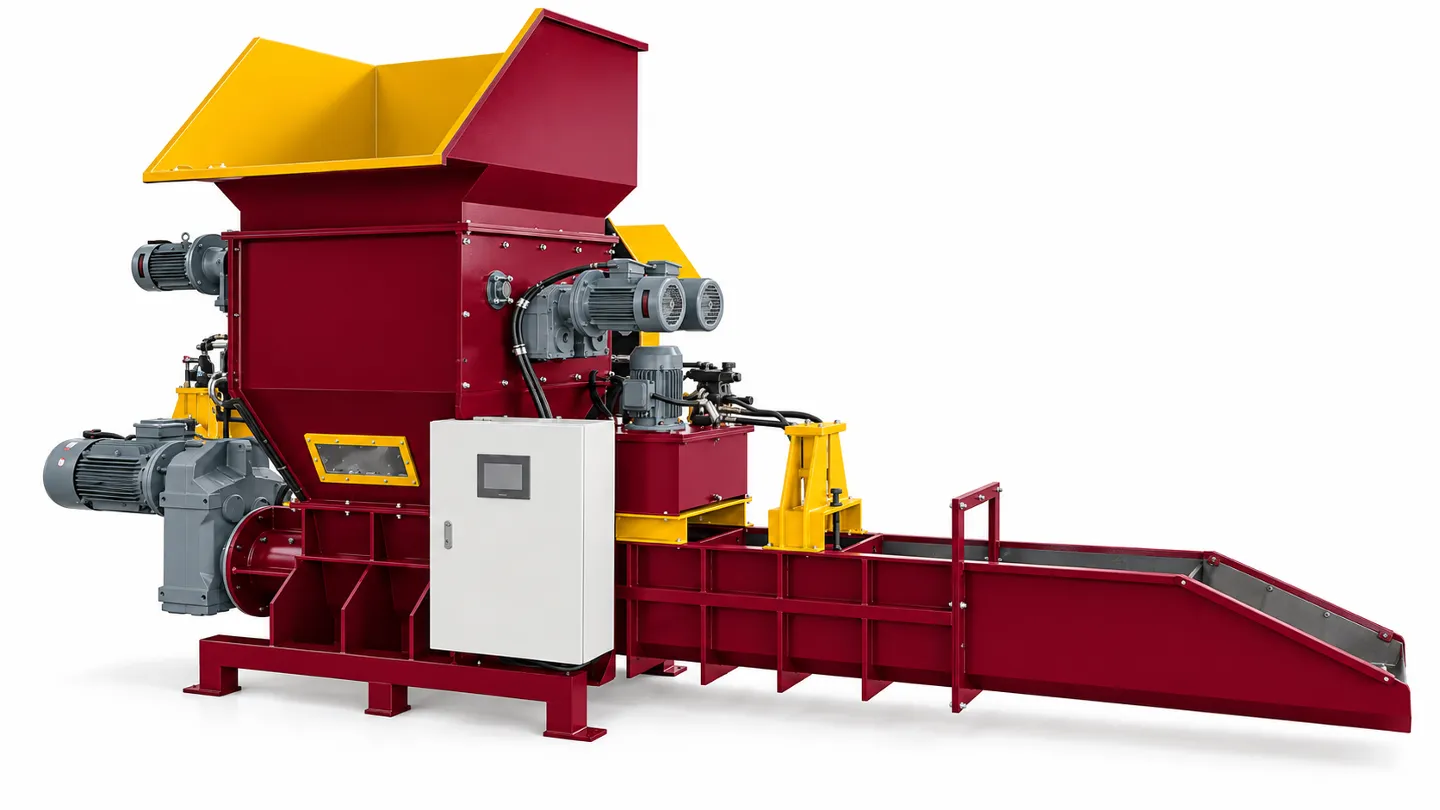
EPS foam cold press equipment

Equipment View: Integrated Crushing and Compression

The cold press combines size reduction and screw compression so bulky foam becomes a consistent block stream.

  • Reduces loose foam handling problems
  • Supports simple collection-site operation
  • Keeps output easy to stack and transport

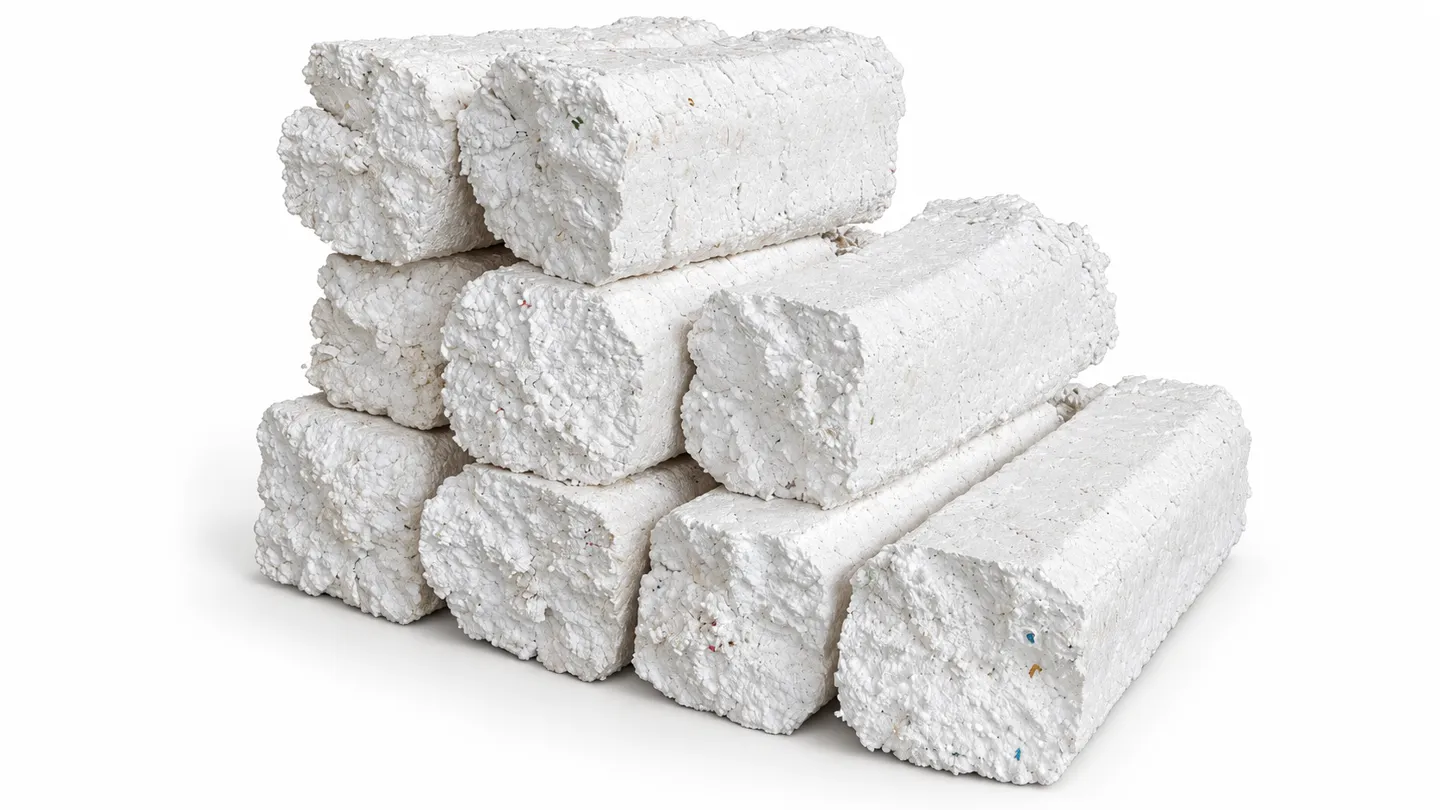
Material View: Dense EPS Blocks

Compressed foam blocks are easier to warehouse, load, and sell to downstream recyclers or processors.

  • Lower freight cost per ton
  • Cleaner storage footprint
  • Better material handling for buyers
Compressed EPS foam blocks after cold pressing

EPS Foam Cold Press Machine Demo

Watch bulky foam waste become dense, manageable recycling blocks.

Target Applications

Use cold pressing wherever foam volume is the practical bottleneck.

  • Packaging Foam Collection

    Compress EPS boxes, appliance packaging, trays, and protective inserts before transport.

  • Municipal and Commercial Foam Recycling

    Turn loose foam from collection points into dense blocks for cleaner logistics.

  • Pre-Conditioning Before Pelletizing

    Prepare bulky foam waste before downstream densifying, extrusion, or remanufacturing routes.

Especificações Técnicas

Reference configuration for CP250. Final capacity depends on foam type, density, and infeed condition.

ParâmetroEspecificaçãoNotas
Screw Diameter240 mmCompression screw
Input Size900 x 600 mmReference feed opening
Screw Rotation Speed42 rpmLow-speed compression
Crusher Blades9 + 10 setsPre-crushing section
Blade Rotation Speed120 rpmFoam pre-size reduction
Main Motor Power7.5 kWCompression drive
Auxiliary Power2.2 kW x 2 + 1.5 kWCrusher and hydraulic motors
Output Block Size250 x 250 mmReference formed block
Output Capacity80-120 kg/hMaterial dependent

Compressão e produção dependem do tipo de espuma, contaminação, umidade e alimentação.

Resposta Rápida e Dados de Seleção

Concise points for buyers comparing EPS compactors, cold press machines, and hot-melt densifiers.

  1. O que é

    Uma prensa fria EPS comprime espuma volumosa com rosca em blocos densos sem derreter o polímero.

  2. Quando usar

    Quando armazenagem, transporte e manuseio de espuma solta são os custos limitantes.

  3. O que informar antes da RFQ

    Tipo de espuma, densidade, volume diário, contaminação, tamanho do bloco, espaço e necessidade de pré-trituração.

Cold Press vs. Hot-Melt Foam Densifier

Cold pressing and hot melting solve different foam recycling problems. The right choice depends on logistics, odor control, and downstream buyer requirements.

CriteriaEPS Cold PressHot-Melt Densifier
Process MethodMechanical screw compressionThermal melting and extrusion
Output FormDense foam blocks or ingotsMelted densified lumps or strands
Operating ProfileLower heat load and simpler odor controlHigher heat load and more ventilation attention
Typical UseCollection sites, logistics reduction, block resaleFacilities that need higher densification before reprocessing

Perguntas Frequentes

Quais espumas processa?

EPS e materiais similares como EPE, EPP, XPS e PUR quando a condição do material é adequada.

A máquina derrete a espuma?

Não, usa pressão mecânica a frio.

Qual razão de compressão é típica?

Muitos projetos atingem 30:1 a 50:1 conforme densidade, forma, umidade e contaminação.

O que acontece com os blocos?

Eles são armazenados, enviados e vendidos com mais eficiência para peletização ou remanufatura.

Precisa Reduzir o Custo de Transporte de Espuma?

Compartilhe tipo de espuma, volume diário, espaço e método de manuseio.

Solicitar Cotação EPS
Resposta de especialista em 24 horas. Cotacao sem compromisso.