
Wyposażenie Dodatkowe

Wanna Separacyjna Sink-Float dla PET, PE/PP i Mieszanych Płatków Tworzyw

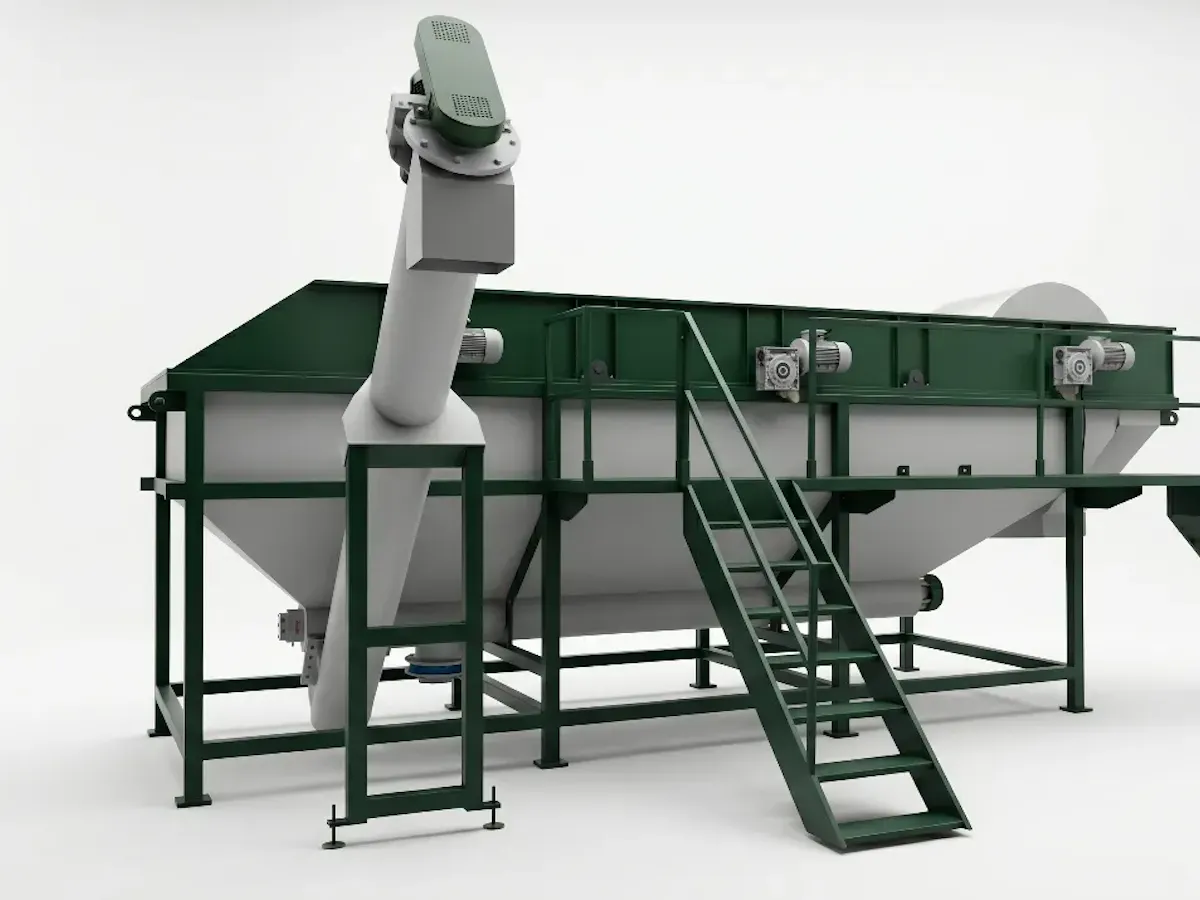
Wanna separacyjna typu sink-float (płuczka gęstościowa) rozdziela mieszane płatki tworzyw sztucznych na podstawie ich ciężaru właściwego w kontrolowanej kąpieli wodnej. Rumtoo projektuje wannę pod konkretny wsad (butelki PET, flakony HDPE, korki PP, folie, PVC), docelową czystość i stopień recyrkulacji wody.

Scroll
Plastic floating separation tank for PET, PE and PP flakes

Jak Prawidłowo Dobrać Wannę Separacyjną Sink-Float

Tank volume alone never predicts real-world purity. The machine must be matched to the feed density spread, flake size, contamination load and water-reuse target — here is the selection path that actually works.

1

Określ rozkład gęstości i docelowy punkt rozdziału

Wypisz polimery wsadzie: PE 0,91-0,94, PP 0,85-0,91, PET 1,38-1,40. Jeśli różnica jest < 0,02 g/cm³, Rumtoo dodaje hydrocyklon lub stopień elektrostatyczny.

2

Dobierz długość wanny i czas retencji

Czas retencji 60–120 sekund jest optymalny. Rumtoo wymiaruje wannę tak, aby płatki przesuwały się z prędkością 0,05–0,10 m/s.

3

Zaprojektuj pętlę odzysku wody i usuwania osadów

Rumtoo dobiera osadnik i układ DAF, aby 70–85% wody wracało do obiegu, a szlam był usuwany w formie suchego placka.

4

Zintegruj separator etykiet i mycie gorące

Wanna pracuje stabilnie dzięki integracji z wcześniejszymi etapami, minimalizując przenoszenie włókien papieru do dalszej części linii.

Czego Oczekują Inwestorzy od Wanny Sink-Float

The business reason to install a sink float tank is not the technology — it is a measurable jump in PE/PP and PET purity, a lower reject rate at the extruder, and a closed water loop that avoids wastewater permits and 30–50 m³/day of fresh water consumption.

Wysoka Czystość Separacji Gęstościowej

Typowa czystość 98–99% w jednym kroku. Układy dwuwannowe z modyfikacją gęstości solanką pozwalają osiągnąć 99,5%+ dla rPET food-grade.

70–85% Odzysku Wody

Zapotrzebowanie na świeżą wodę spada do 3–5 m³ na tonę płatka, co oszczędza tysiące euro rocznie na kosztach wody i ścieków.

Usuwa Papier, Folię i Drobne Metale

To kluczowy etap usuwający PVC i papier przed wytłaczarką. Interwały wymiany sit w ekstruderze zazwyczaj wydłużają się trzykrotnie.

Wydajność od 500 do 5000 kg/h

Rumtoo skaluje długość wanny i prędkość skimmera. Linia 5000 kg/h mieści się na około 18 metrach przy niskiej objętości osadów.

Common Sink Float Problems and Real Fixes

Most poor-separation reports trace back to five production conditions — not the tank itself. This table shows what actually goes wrong in running lines and how Rumtoo corrects it during commissioning.

Problem

PET pellets float instead of sink — extruder rejects rPET for PVC contamination.

Rumtoo Solution

Rumtoo adds a short de-foaming baffle and lowers paddle speed; most "PET floating" cases are actually entrained air in thin bottle-wall flakes. Persistent cases get a brine dosing line that lifts water density to 1.05 g/cm³ for a guaranteed PET-PS separation.

Problem

Water turns gray, filters clog within two shifts and discharge fails limits.

Rumtoo Solution

Rumtoo sizes the sedimentation tank, bag filter and DAF loop so fine label, paper and glue particles are removed continuously. Sludge is de-watered to 60–70% solids in a screw press instead of being pumped out as liquid.

Problem

Paddle agitators foul with film and rope — tank shuts down twice a week for cleanout.

Rumtoo Solution

Rumtoo specifies an upstream trommel and film-rope separator so ribbons and long strands never reach the tank. Paddle geometry is adapted (cut-blade vs flat paddle) to the dominant flake shape in your feed.

Problem

Winter start-up produces black sludge and foul odor from caustic carry-over.

Rumtoo Solution

Rumtoo isolates the hot-wash caustic loop from the sink float bath with a rinse buffer tank and specifies a weekly tank drain/scrub SOP. A pH and turbidity sensor warns before biological growth crosses odor thresholds.

Referencyjna Maszyna i Zasada Separacji Gęstościowej

Mieszane płatki trafiają do kąpieli wodnej, gdzie mieszadła łopatkowe i przepływ poprzeczny przenoszą frakcje o niskiej gęstości (PE/PP, 0,90–0,94 g/cm³) do górnego skimmera, podczas gdy ciężkie płatki (PET, PVC, metale) toną i są usuwane przez przenośnik ślimakowy na dnie wanny.

Stainless steel sink float tank with paddle agitator and skimmer

Widok Maszyny: mieszadło łopatkowe, skimmer przelewowy i ślimak denny

Korpus wanny wykonany jest ze stali nierdzewnej 304 lub 316L, aby wytrzymać kontakt z resztkami kąpieli chemicznej. Mieszadła zapobiegają aglomeracji płatków; skimmer powierzchniowy usuwa frakcję pływającą; ślimak denny wyprowadza ciężkie płatki przy minimalnych stratach wody.

  • Zmienna prędkość rucha mieszadeł dostosowana do rozmiaru płatków
  • Regulowana wysokość przelewu dla precyzyjnej kontroli punktu rozdziału
  • Możliwość kaskadowego połączenia dwóch wanien dla najwyższej czystości rPET
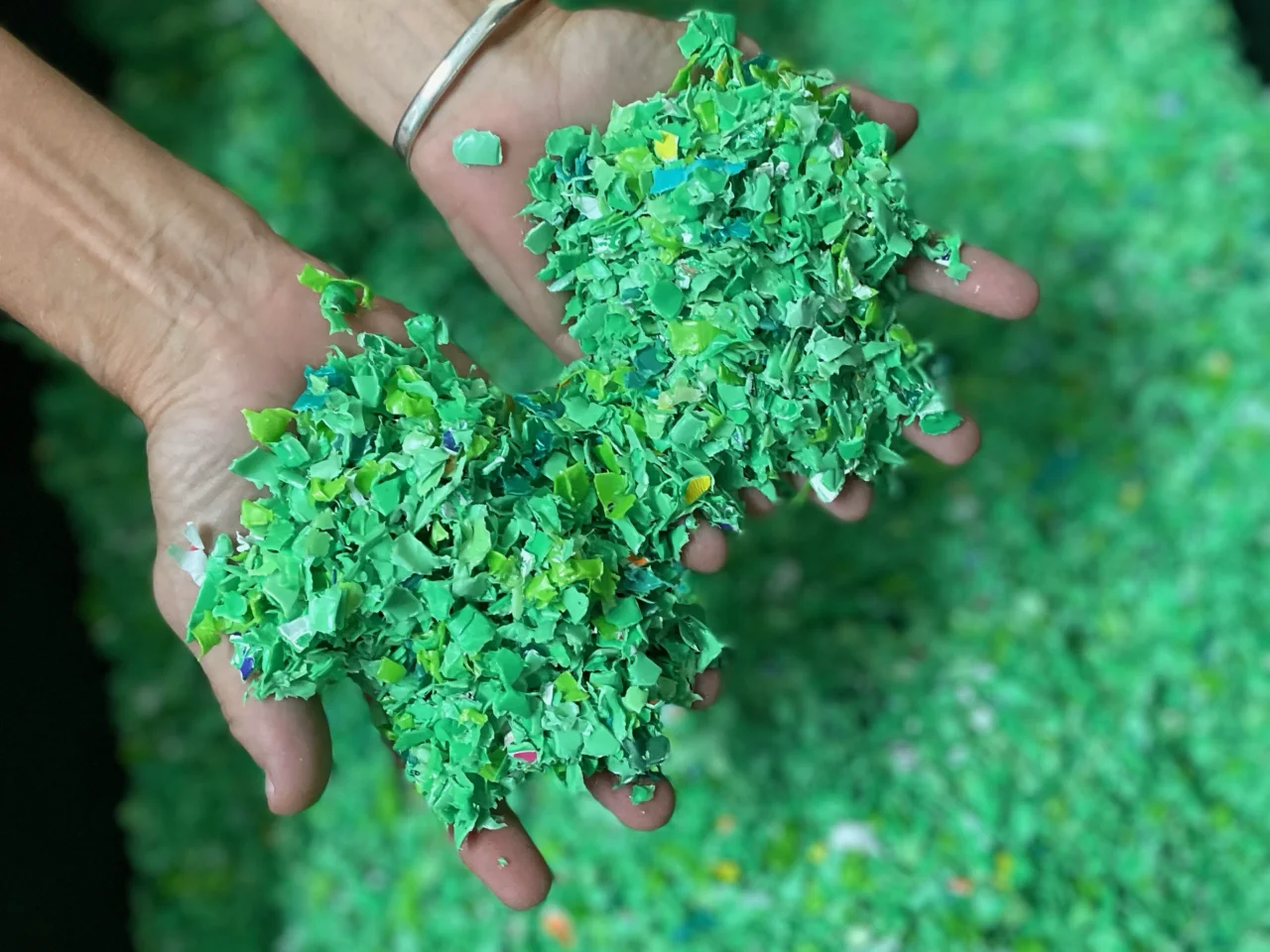
Widok Procesu: PE/PP pływa, PET/PVC tonie w linii mycia

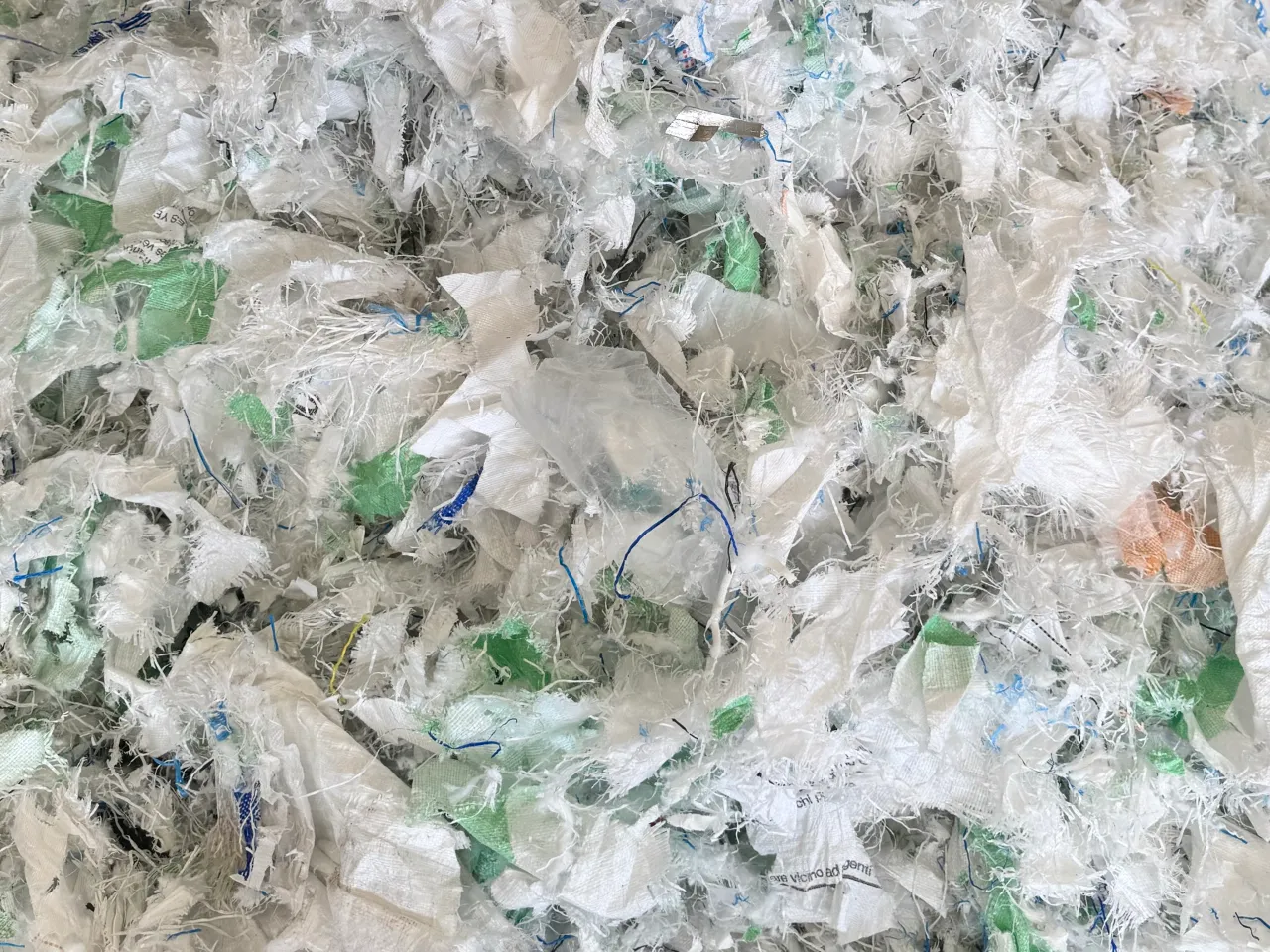
W linii do butelek PET wanna znajduje się po separatorze etykiet. Korki (HDPE/PP) pływają; PET i PVC toną. W linii do sztywnego HDPE/PP sytuacja jest odwrotna. W obu przypadkach wanna usuwa niepożądane polimery przed myciem gorącym, chroniąc ekstruder i wymienniki ciepła.

  • Oddziela PET/PVC/metal od PE/PP z czystością 98-99% w jednym przejściu
  • Usuwa papier i resztki folii, które pływają po myciu wstępnym
  • Obieg wody zasila pętlę filtracji, pozwalając na 70-85% odzysku wody
Recycled PE and PP plastic flakes after sink float separation

Sink Float Separation Tank in Operation

Watch how the paddle agitator, weir skimmer and sinking screw conveyor separate mixed plastic flakes into pure PE/PP floating fraction and PET/PVC sinking fraction in a controlled water bath.

Typical Sink Float Tank Use Cases

A sink float tank earns its place in any plastic washing line where the target and contaminant polymers differ by at least 0.05 g/cm³ and the feed is already wet from pre-wash.

  • PET Bottle-to-Bottle Washing Lines

    Removes HDPE caps, PP rings, paper label fragments and PLA sleeves from PET flakes before hot wash. Critical stage for lines targeting food-grade rPET approval from EFSA, FDA or similar regulators.

  • HDPE Milk/Detergent Jug Recycling

    Separates PP caps, PET tamper bands, metal fines and dirt from HDPE flakes produced from milk, detergent and motor-oil bottles. Prepares HDPE flakes for pipe, crate and packaging compounders.

  • PP Rigid Packaging and Caps Regrind

    Splits PP from residual PET, PVC tamper bands and PS labels coming off food tubs, buckets and cap regrind so compounders receive a single-polymer feedstock.

  • Mixed Post-Consumer Plastic Sorting

    Acts as the first bulk density stage for mixed post-consumer curbside input, routing a clean PE/PP float fraction to pelletizing while high-density material is sent to NIR, electrostatic or manual picking.

  • Agricultural Film and Big-Bag Reclaim

    Paired with a pre-wash, the tank floats LDPE film fragments while soil fines, stones and metal wear particles sink — reducing extruder melt filter changes by 2–3×.

  • WEEE and Automotive Plastic Regrind

    Used as a rough density splitter ahead of electrostatic separation to remove metals, glass fragments and rubber from ABS/PS/HIPS-dominant WEEE and automotive shredder residue feeds.

Reference Configurations

These are sizing references. Actual purity, water reuse and sludge volume depend on feed composition, contamination level and the filtration loop selected — Rumtoo confirms the final specification after reviewing your material data.

ModelThroughputTank VolumePowerKey Features
RT-SF500300–500 kg/h2.5 m³3 kWCompact single-stage tank, 304 stainless, for small PET or HDPE lines
RT-SF1000800–1200 kg/h5 m³5.5 kWPaddle agitator + weir skimmer, bag filter loop, suits standard PET bottle washing lines
RT-SF20001500–2500 kg/h9 m³7.5 kWTwin-tank with brine adjustment, DAF loop, 70–80% water reuse
RT-SF50003500–5000 kg/h18 m³15 kWBottle-to-bottle grade twin-tank, 316L, DAF + screw press, 80–85% water reuse

Typical water make-up with a full reuse loop is 3–5 m³ per ton of clean flake. Energy consumption is 20–35 kWh per ton including agitators, pumps and filtration. Rumtoo sizes the unit after reviewing your feed analysis, contamination level and local water and discharge cost.

Sink Float Tank Checklist Before RFQ

Bring these data points to the RFQ and Rumtoo can size the tank, water-reuse loop and commissioning protocol in the first reply — avoiding weeks of back-and-forth.

  1. Polymer Mix and Density Spread

    List every polymer in the feed with its approximate share — PET, HDPE, PP, PVC, PS, PA, metals — so Rumtoo can confirm the cut-point target and decide whether plain water, salt brine, or a two-stage tank is required.

  2. Feed Flake Size and Shape

    Share the flake size distribution (typical working range is 6–30 mm), shape (flake vs film vs granule) and fines content below 4 mm. Particle size controls paddle speed and retention time.

  3. Contamination Load (Paper, Film, Fines, Sand, Metal)

    Specify the expected contamination per ton — paper label, PE/PP film, paper pulp, sand and metal fines. This determines filtration, sludge press sizing and tank cleaning frequency.

  4. Target Throughput and Shift Pattern

    Provide target kg/h, planned shift hours and scheduled cleaning windows. Rumtoo builds around a realistic effective uptime, not name-plate capacity.

  5. Water Source, Reuse Target and Discharge Limits

    Share local water cost, discharge cost and effluent limits (COD, TSS, pH). The water-reuse loop is sized for the economic break-even between make-up water cost and capex.

  6. Downstream Stages (Hot Wash, Friction, NIR, Electrostatic)

    Describe the full line — what comes before and after the tank. Rumtoo adjusts the cut-point, skimmer angle and discharge method so the tank integrates with existing hot-wash, friction and polishing stages.

Sink Float Tank vs Alternative Separation Methods

A sink float tank is the right answer when the density gap is clear and the feed is already wet. This table shows where it wins and where a hydrocyclone, electrostatic separator or NIR sorter fits better.

Decision CriteriaHydrocycloneNIR Optical SorterElectrostatic SeparatorRumtoo Sink Float Tank
PE/PP vs PET bulk separationGood, but high capexWorks if colors differNeeds pre-dryingProven at 98–99% in one pass
Food-grade bottle-to-bottle rPETWorks as polishing stageWorks upstream of washFinal PVC-ppm stageEssential bulk stage, add electrostatic for <50 ppm
Handles paper, label and film finesPoorNot designed for thisBlocks the fieldRemoves them continuously
Water consumptionVery high, high pressureNoneNone3–5 m³/ton with reuse loop
Energy per ton40–60 kWh + pump pressure10–15 kWh30–50 kWh20–35 kWh including filtration
Capex vs operating costHigh capex, high opexVery high capex, low opexMedium capex, low opexLow-medium capex, low opex

Często Zadawane Pytania

Czy można oddzielić PET od PVC?

Sama wanna nie wystarczy, gdyż ich gęstości się pokrywają (1,35–1,45 g/cm³). Wanna usuwa PE/PP, ale dla jakości <50 ppm PVC Rumtoo dodaje separator elektrostatyczny.

Czy wymagana jest gorąca woda w wannie?

Separacja zachodzi w 25–40 °C. Rumtoo często odzyskuje ciepło z mycia gorącego za pomocą wymiennika, aby zoptymalizować bilans energetyczny.

Gotowy na Dobór Wanny Sink-Float dla Twojej Linii?

Wyślij do Rumtoo analizę wsadu. W ciągu 24 godzin przygotujemy model ROI i plan wdrożenia.

Zapytaj o Ofertę na Wannę Sink-Float
Expert response within 24 hours. No obligation quote.