

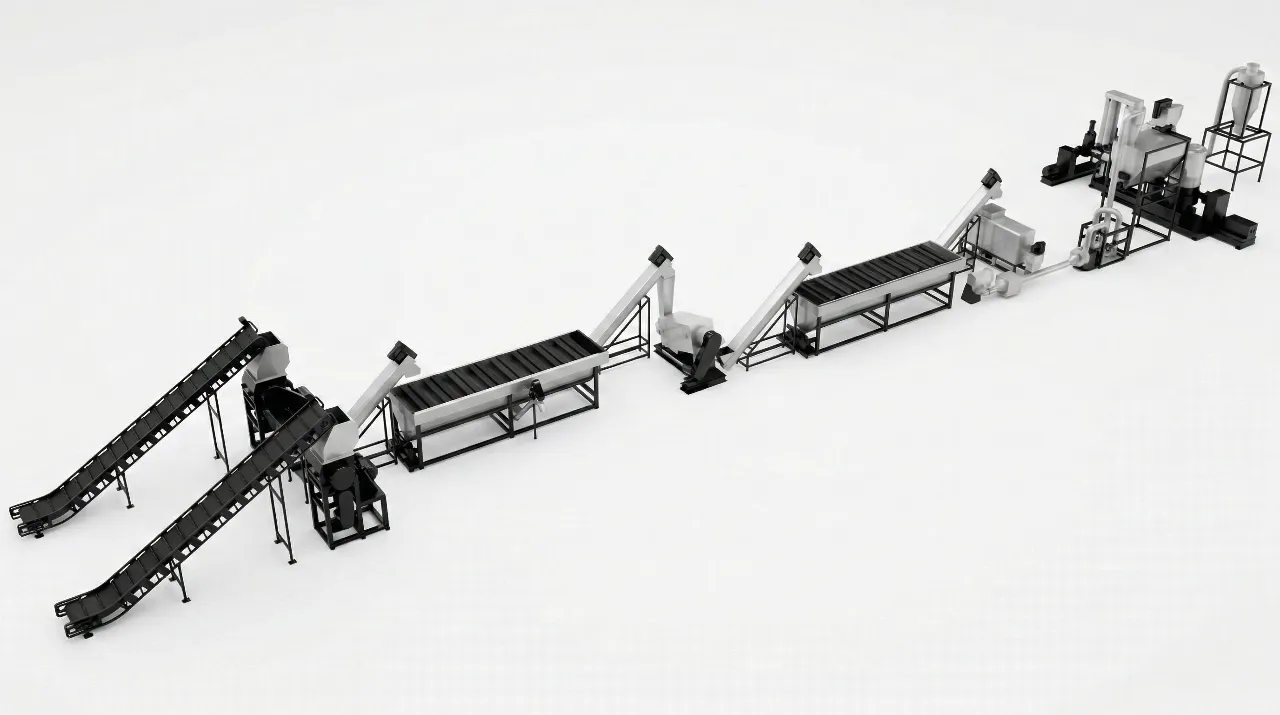
Agricultural & Packaging Film Recycling

Recycling Washing Lines for Agricultural Film & Stretch Wrap

Configure an agricultural film recycling line for soil-laden mulch film, or a washing system for used stretch wrap and pallet film. Rumtoo matches preparation, washing and drying to your LDPE/LLDPE feedstock, contamination and required output.

  • Mulch, greenhouse and silage film from farms
  • Used stretch wrap and LDPE shrink film from logistics
  • Washed film or an optional pelletizing stage
View Specifications
Scroll
Plastic film recycling washing line installed in a factory
  • Mulch, greenhouse and silage film from farms
  • Used stretch wrap and LDPE shrink film from logistics
  • Washed film or an optional pelletizing stage

Which Film Are You Recycling?

Start with the source of the film. Farm soil, silage residue and warehouse labels call for different preparation and cleaning stages.

Agricultural Mulch Film Recycling

Collected LDPE/LLDPE ground-cover film can carry soil, sand, stones and crop residue. An agricultural film washing line needs front-end dirt removal, appropriate washing stages and a water circuit designed for the incoming solids.
Stretch Wrap & Pallet Film Recycling

Used warehouse and distribution film may carry paper labels, tape, dust and moisture. Configure washing for contaminated loads; separately collected clean, dry stretch film may suit direct compaction and pelletizing.

Greenhouse & Tunnel Film

Removed PE covers need inspection for soil, plant residue and polymer degradation. Keep incompatible materials out of the feed and select washing and drying around the condition of the recovered film.

Silage Film & Bale Wrap

Farm wrap can arrive with feed residue, moisture, netting and twine. Sort out non-film material before size reduction, then assess the organic load and the water treatment needed for washing.

LDPE Shrink Film & Packaging Covers

PE shrink hoods and packaging covers are evaluated separately from stretch wrap. Confirm the polymer and check labels, printing and adhesives before selecting a cleaning route for the recovered film.

Clean Film Trim & Factory Scrap

Clean, dry PE film trim may not need a wet washing stage. Review a dedicated film compacting and pelletizing line when the material is already sorted and suitable for extrusion.

Choose a Washing Route for Your Film

The material condition determines the line configuration. These routes are starting points for a proposal; sample evaluation defines the final equipment and operating conditions.

Incoming FilmMain ContaminationPreparation & WashingOutput & Next Stage
Agricultural mulch filmSoil, sand, stones and crop residueSorting and dry pre-cleaning where needed, followed by size reduction, friction washing and heavy-contaminant removalDewatered film; squeezing and drying matched to the required downstream process
Greenhouse and tunnel filmSurface dirt, plant residue and degraded filmInspect polymer condition, remove incompatible material, then size-reduce, wash and rinseCleaned film assessed against the intended recycled-material application
Silage film and bale wrapFeed residue, moisture, netting and twineSeparate non-film material and configure washing, rinsing and water treatment for the organic loadDried film with cleanliness and odor requirements agreed for the intended use
Used stretch wrap and LDPE shrink filmPaper, tape, labels, dust or moistureSort by polymer and contamination; wash when the collected material requires cleaningCleaned and conditioned film for storage or optional pelletizing
Clean, dry film trimLittle contamination after source separationAssess a direct compaction and extrusion route; wet washing may be unnecessaryPellets from a dedicated film compacting and pelletizing line

This solution focuses on polyethylene film. Biodegradable mulch, PVC film and incompatible multilayer packaging require separate evaluation before acceptance into a PE recycling stream.

From Used Film to Clean, Conditioned Material

For film that needs washing, the process connects material preparation, cleaning, moisture control and the chosen output. The configuration follows the feedstock.

1

Sort, Open & Pre-Clean

Open the feed, remove unwanted items and assess a screening or dry-cleaning stage for soil-heavy farm film. Reducing loose dirt before wet processing helps limit the solids load entering the wash circuit.

2

Reduce Size & Wash

Prepare the flexible film for controlled conveying and washing. Select friction washing and, where sample results justify it, additional cleaning stages for the actual dirt, labels or adhesive residues.

3

Separate & Rinse

Remove heavy contaminants such as grit using separation and rinsing stages. Plan solids removal and water recirculation around the contamination load; density separation alone does not separate all incompatible polymers.

4

Dewater, Squeeze & Finish

Match squeezing and drying to the moisture and handling requirements of the next process. The line can finish with conditioned film or connect to compaction, extrusion, degassing and melt filtration for pellet output.

Design the Line around Your Film

Plan for Soil and Residue

For agricultural film, include dirt removal, solids handling and access for cleaning in the line design. Assess these requirements before choosing nominal capacity.

Control Flexible-Film Feeding

Match bale opening, cutting and conveying to the film format. Light stretch wrap and tangled field film need a feed arrangement that limits bridging and wrapping.

Match the Required Output

Specify cleaned film, squeezed material or pellets from the outset. Drying duty and any downstream extrusion stage should follow the output specification.

Film-Specific Problems to Resolve

Problem

Soil-heavy mulch film fills the washing circuit with grit and sludge.

Rumtoo Solution

Evaluate pre-cleaning and size the solids-removal and water-treatment stages for the measured contamination load, including access to wear parts.

Problem

Labels, tape or organic residue remain on the recovered film.

Rumtoo Solution

Review sorting and run cleaning trials on representative material. Use the results to choose washing intensity, rinsing and any additional cleaning stage.

Problem

Thin, wet film bridges in hoppers or feeds the next machine unevenly.

Rumtoo Solution

Coordinate size reduction, conveying, dewatering and squeezing so the film reaches the next stage in a suitable size, moisture condition and bulk density.

Problem

A line is sized from dirty incoming tonnage without accounting for material loss.

Rumtoo Solution

State incoming waste rate and required clean-film output separately. Soil, moisture and rejected material must be included in the project mass balance.

Connect Film Washing with the Next Process

Select moisture control and optional pelletizing to suit the material you want to produce.

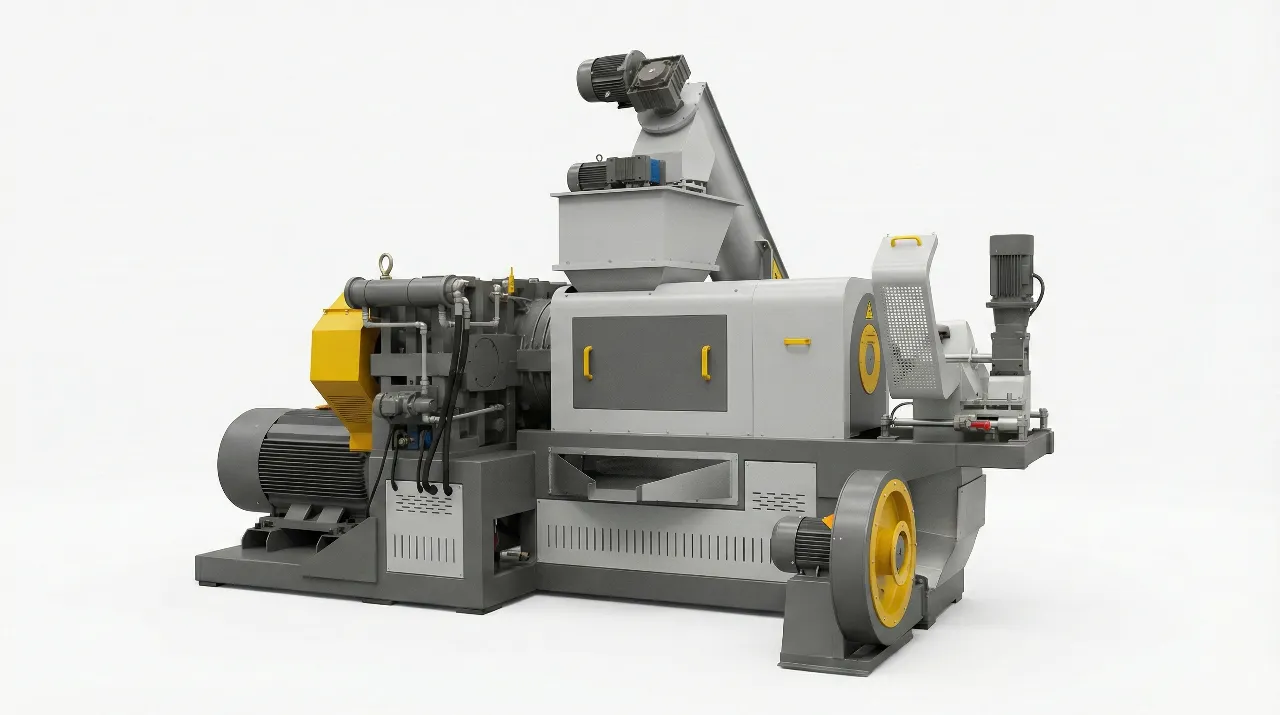
Plastic film squeezer used between washing and pelletizing

Squeezing and Drying for Washed Film

Agricultural film and washed packaging film retain water in folds and loose flakes. Evaluate a squeezer and drying package against the required final moisture and how the film will be stored or fed onward.

  • Set a moisture target for the intended downstream process
  • Assess handling and bulk density after dewatering
  • Confirm performance with representative washed film

Optional Compaction and Pelletizing

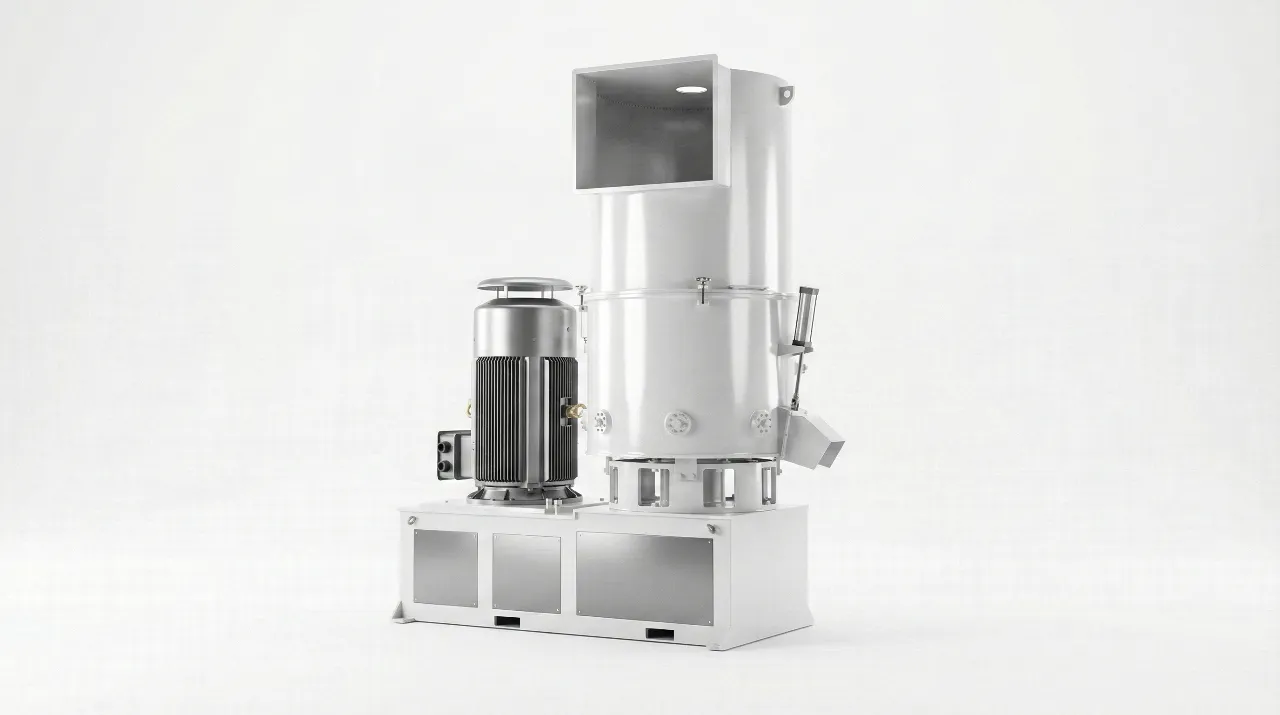
Where pellets are required, add a matched extrusion stage with compaction, degassing and filtration selected for the prepared film. Clean factory trim can be assessed for this route without a wet washing stage.

  • Keep washed-film output and pellet-output proposals distinct
  • Match melt filtration to remaining contamination
  • Define the intended use and quality requirements of the pellets
Cutter compactor chamber for soft plastic film recycling

Reference Capacities for Your Film Washing Project

Use these RFL configurations to begin sizing the project. Final selection depends on the film mix, contamination, operating conditions and required output.

Line FamilyTypical OutputFinal Moisture TargetTypical Process Route
RFL-500300-500 kg/h< 5%Wet shred + friction wash + centrifugal / squeezer
RFL-1000800-1,000 kg/h< 3-5%Wet shred + sink-float + squeezer + hot air
RFL-15001,200-1,500 kg/h< 3%Heavy-duty washing + squeezer + buffer silo
RFL-PPellet output optionFeed to extruder depends on lineCutter-compactor / extrusion + degassing + filtration
UtilitiesProject-specificDepends on materialWater treatment, drying heat, and extraction sized by contamination

These are reference ranges, not guaranteed results for every film stream. Confirm whether the quoted kg/h refers to incoming waste or net cleaned-film output. Moisture targets, utilities and any pelletizing stage must be agreed for the actual feedstock.

What We Need to Configure Your Line

Send representative material information so the proposal reflects the film you actually collect.

  1. Film Source and Composition

    Identify mulch film, greenhouse covers, silage wrap, stretch wrap or shrink film, with the share of each stream. Include known polymer types, film thickness and how the material is collected or baled.

  2. Contamination and Material Samples

    Provide photos and representative samples, plus any measurements of soil, moisture or non-film content. Note paper labels, tape, crop residue and variations between deliveries.

  3. Input Rate and Required Output

    State both the incoming waste rate and the clean output you need. Choose washed film, squeezed material or pellets, and describe the cleanliness, moisture and end-use requirements.

  4. Site, Water and Downstream Equipment

    Share available space, power supply, water-recirculation or treatment arrangements and the installation country. Include details of any existing dryer, storage or pelletizing equipment to be connected.

Agricultural Film and Stretch Wrap: Different Design Priorities

Design DecisionAgricultural Mulch FilmUsed Stretch Wrap & Pallet Film
Incoming materialField-collected film with variable soil, stones and crop residueWarehouse film with variable labels, tape, dust and moisture
Front-end preparationAssess dry pre-cleaning and heavy-contaminant removal before intensive washingPrioritize source sorting, label and tape removal, and controlled feeding
Washing and water circuitSize for the measured solids load and a practical sludge-removal arrangementChoose cleaning stages from the contamination present; clean dry film may bypass wet washing
Dewatering and next processConfirm moisture, retained contamination and suitability for the intended recycled productConfirm moisture and bulk density before storage or compaction and extrusion
Capacity basisAccount for dirt, water and rejected material between input and clean outputAccount for sorting losses, moisture and changes in collection quality

Agricultural and Stretch Film Washing FAQs

Can this line recycle dirty agricultural mulch film?

A line can be configured for suitable LDPE/LLDPE mulch film, but the amount of soil, sand, stones and crop residue determines the preparation and washing required. Representative samples are needed to assess pre-cleaning, water treatment, wear exposure and achievable clean output.

How does the setup differ for agricultural film and stretch wrap?

Soil-heavy agricultural film places more emphasis on dirt removal and solids handling. Used stretch wrap may instead need sorting and cleaning for paper labels, tape and dust. Both require controlled feeding and appropriate moisture control, with the final route selected from the material condition.

Does clean stretch film need washing before pelletizing?

Not always. Clean, dry and separately collected PE stretch film or factory trim may suit direct compaction and pelletizing. Contaminated or wet collected film needs assessment for washing and drying before extrusion. Choose the route from the actual feedstock rather than adding a washing stage by default.

Can greenhouse film and silage wrap use the same line?

Compatible PE films may share a suitably configured line, but their contamination and polymer condition need separate checks. Remove twine, netting and incompatible materials, and confirm that the cleaning and water-treatment stages can handle the accepted mix.

Is line capacity based on incoming waste or clean film output?

Both figures should be stated in the proposal. Incoming farm film can contain dirt, moisture and material that must be rejected, so incoming kg/h is not the same as clean-film kg/h. Confirm the measurement basis and expected material losses before selecting a configuration.

What final moisture can I expect after washing and drying?

The specification table gives reference moisture targets for the RFL configurations. The agreed value depends on the film, the drying package and whether the next step is storage or extrusion. Confirm the target and test conditions using representative material before ordering.

Can biodegradable mulch or multilayer packaging be mixed with PE film?

Do not assume that these materials are compatible with a PE film recycling stream. This solution focuses on polyethylene film; biodegradable mulch, PVC and multilayer structures require separate identification and evaluation. Define accepted and excluded materials before specifying the line.

What should I send for a film washing line quotation?

Send film photos or samples, the source and polymer mix, contamination and moisture information, incoming waste rate and required clean output. State whether you need film or pellets, plus the available space, water arrangements, power supply and installation country.

Configure a Washing Line for Your Film

Tell us whether you process agricultural film, used stretch wrap or another PE film stream. Share the contamination, input rate and output you need for a proposal covering the processing stages and site requirements.

Expert response within 24 hours. No obligation quote.