

Expanded Polystyrene Recycling

EPS Hot Melt Machine

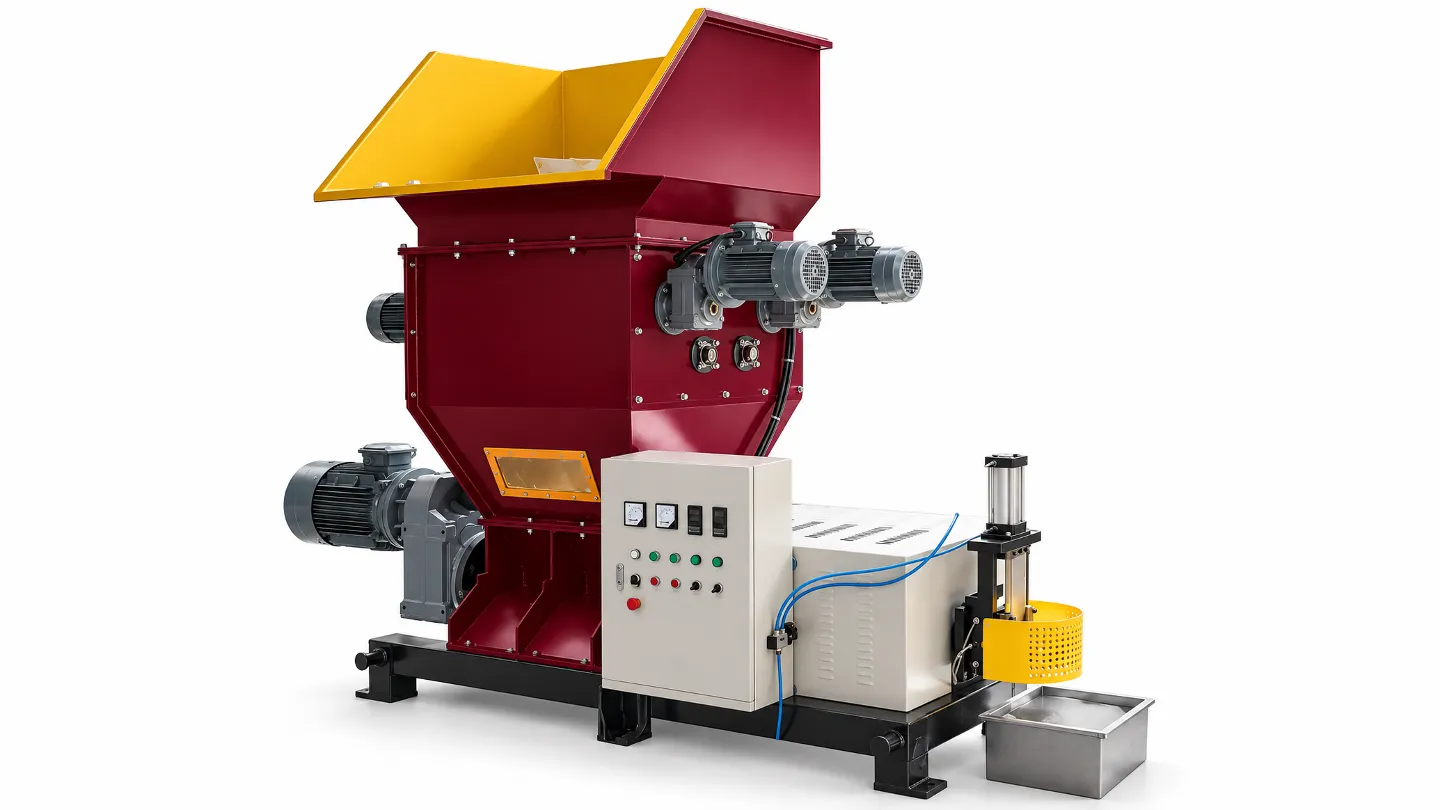
Turn bulky waste EPS foam into dense polystyrene blocks for storage, transport and downstream recycling. This foam thermal densifier combines size reduction, screw feeding and controlled heating to prepare sorted EPS packaging and offcuts for recovery.

  • Three EPS models with throughput options from 40 to 200 kg/h
  • Produce fused blocks for collection and transport
  • Match feeding and heating to your material and capacity
View Specifications
Scroll
EPS hot melt machine with a feeding hopper, drive assembly, control cabinet and discharge tray
  • Three EPS models with throughput options from 40 to 200 kg/h
  • Produce fused blocks for collection and transport
  • Match feeding and heating to your material and capacity

How EPS Hot Melt Densification Works

Prepare the foam, reduce its volume with controlled heat, then cool the discharge into a stable form for handling.

1

Sort & Prepare

Separate EPS from other foams and remove tape, labels, metals and loose waste. Clean and dry contaminated boxes before feeding; the densifier is not a washing system.

2

Break Down the Foam

Reduce bulky packaging and offcuts into smaller pieces. Match the hopper opening and size reduction stage to the largest incoming items and the required feed rate.

3

Feed at a Steady Rate

A screw conveys the prepared EPS toward the heated section. Consistent feeding helps balance the incoming foam volume with the melting and discharge capacity.

4

Heat & Densify

Controlled heating softens and fuses the polystyrene, collapsing the cellular foam structure. Temperature and residence time are selected for the actual material.

5

Discharge & Cool

Collect the dense discharge in the agreed handling arrangement. Allow the material to cool and solidify into blocks or ingots before moving and stacking it.

6

Inspect & Store

Check the cooled output for contamination and handling consistency. Keep batches identified and send accepted material to a polystyrene recycler for further processing.

Make Waste Foam Easier to Handle

Reclaim Storage Space

Convert loose, bulky foam into dense blocks that are easier to collect and store. Measure the volume reduction using your incoming EPS and cooled output.

Prepare More Efficient Loads

Densification allows more polystyrene mass to fit into the available load space. Plan block size, pallet weight and collection frequency with the receiving recycler.

Connect Collection to Recycling

Produce an intermediate feedstock for further PS recycling. Agree cleanliness and output form with your buyer before choosing the machine configuration.

From Loose EPS to Dense Polystyrene Blocks

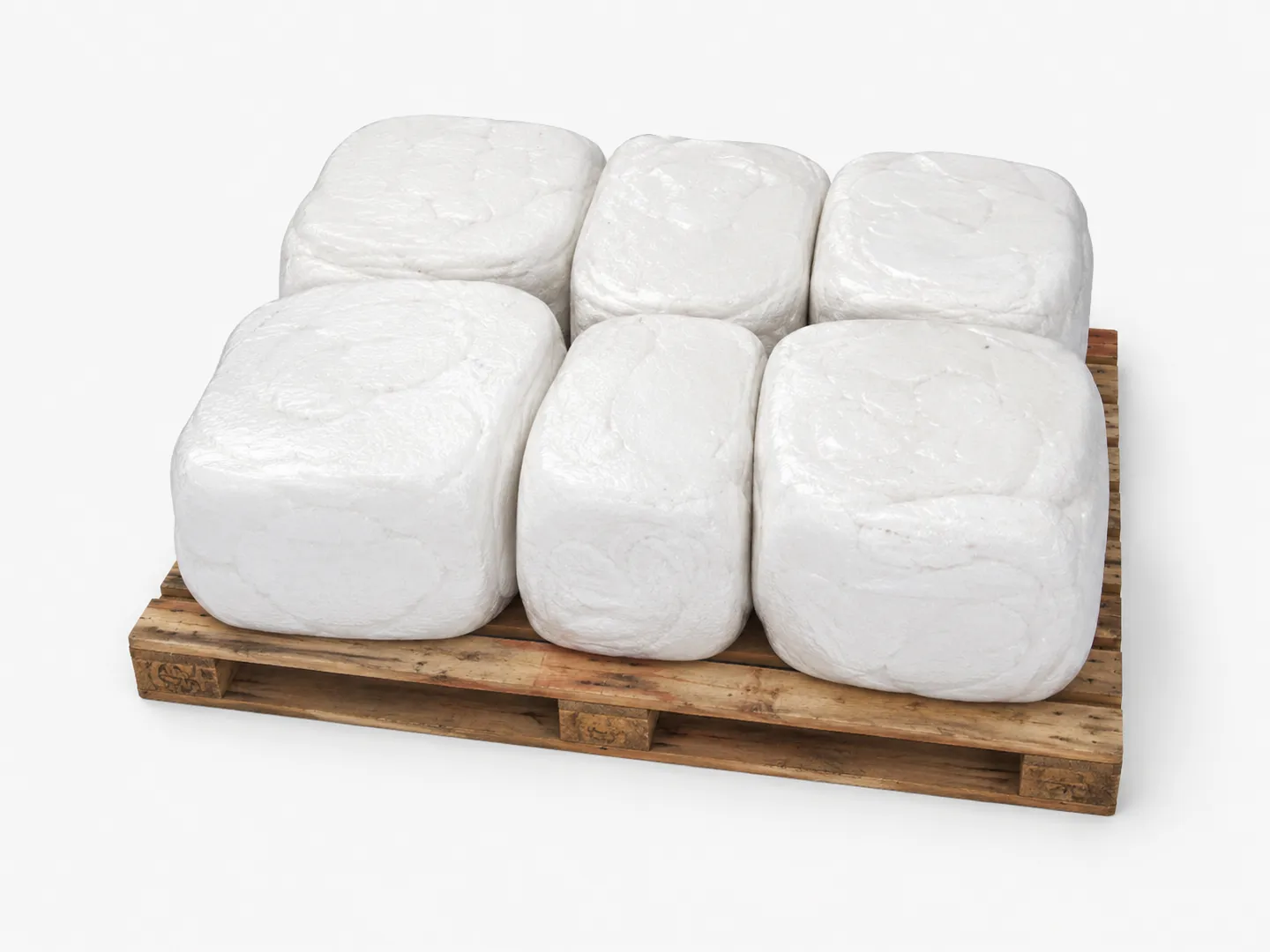
Dense white EPS hot melt blocks arranged on a wooden pallet after cooling

Cooled Output for Palletizing and Collection

After hot melting and cooling, EPS forms dense polystyrene blocks or ingots. The pictured output shows the compact form used for collection and transport. Final shape, color and density depend on the incoming foam and discharge arrangement.

  • Cool the material fully before handling or stacking
  • Keep different foam grades and contaminated batches separate
  • Confirm block size and cleanliness with the receiving recycler
  • Use separate reprocessing equipment when finished PS pellets are required

EPS Foam Melting Demonstration

Watch the EPS foam hot melting and densification process.

EPS Foam Waste Suitable for Assessment

Start with an identified EPS stream. Preparation and contamination determine how the material should enter the machine.

  • Appliance & Electronics Packaging

    Molded EPS corner protectors, cushioning inserts and packaging collected by warehouses, retailers and distribution centers after tape and other materials are removed.

  • EPS Fish Boxes & Produce Containers

    Sorted polystyrene boxes after emptying, cleaning and drying. Food residue, water and incompatible liners need preparation before thermal densification.

  • Foam Molding & Cutting Offcuts

    Known-grade EPS production scrap, rejected molded pieces and cutting offcuts. A consistent feed makes throughput and output-quality trials easier to compare.

  • Identified EPS Insulation Offcuts

    Clean EPS board offcuts assessed for coatings, facings, adhesives and additives. Mixed demolition foam and unidentified insulation need separate evaluation.

EPS Hot Melt Machine Technical Specifications

ParameterRTM-HM50RTM-HM100RTM-HM200
EPS throughput40–50 kg/h80–100 kg/h160–200 kg/h
Screw diameter138 mm197 mm250 mm
Main motor power7.5 kW15 kW22 kW
Crusher motor power3 kW2 × 2.2 kW4 × 2.2 kW
Heating power4 kW10 kW14 kW

Throughput depends on EPS density, cleanliness and feeding conditions. Motor and heater values are installed power ratings, not measured energy consumption. Confirm the final configuration and output requirements in your quotation.

Prepare Your EPS Machine Enquiry

Send the following details so the proposal matches your waste stream and site.

  1. Material & Cleanliness

    Share photos, foam type, largest piece size and typical moisture or contamination. Include the range of material you expect to process.

  2. Weight & Loose Volume

    Provide kilograms per day, cubic meters before processing, shift hours and peak collection volumes. Both weight and volume matter for EPS feeding.

  3. Output & Buyer

    State whether the recycler accepts hot melt blocks, along with limits for contamination, block size and packaging. Share any required sample checks.

  4. Site & Utilities

    Include available floor space, electrical supply, extraction arrangements and loading access. Allow room for cooling, maintenance and pallet storage.

EPS Hot Melt Machine or Cold Press?

Selection PointHot Melt DensifierCold Press Machine
ProcessUses controlled heat to fuse prepared EPSUses mechanical pressure without a melting stage
Output formSolidified polystyrene blocks or ingotsMechanically compacted foam blocks or logs
Operating focusFeed rate, heating, cooling and local extractionFeed rate, compaction and block integrity
UtilitiesDrive and heating demand, plus agreed extractionDrive demand and any configuration-specific auxiliaries
Selection basisBuyer accepts fused output; site supports thermal processingBuyer accepts compacted output; a non-melting route fits the project

EPS Hot Melt Machine Questions

What does an EPS hot melt machine produce?

It heats and densifies prepared EPS foam into a fused discharge that cools into polystyrene blocks or ingots. These are intermediate recycling feedstock. Producing finished PS pellets requires a separate, suitable reprocessing and pelletizing system.

Can wet EPS fish boxes go directly into the machine?

Plan to empty, clean and dry the boxes first. Food residue, liquids, tape and other packaging can affect feeding, emissions and output quality. Describe the actual incoming condition so the required preparation and acceptance limits can be agreed.

Can this machine process EPE, EPP or mixed foam?

This page covers expanded polystyrene (EPS). EPE, EPP, polyurethane and other foams have different processing requirements and should not be treated as interchangeable feed. Separate the polymers and request a specific assessment before processing another foam type.

What capacity and volume reduction can I expect?

The RTM-HM50, RTM-HM100 and RTM-HM200 have listed EPS throughput ranges of 40–50, 80–100 and 160–200 kg/h respectively. Actual throughput and volume reduction depend on incoming density, cleanliness and feeding. Provide daily weight and loose volume so the model and cooled output can be checked against representative material.

What heating and ventilation arrangements are needed?

Specify temperature control, operating limits, startup and shutdown procedures, and extraction around the heated process. The required arrangement depends on the foam, additives, throughput and installation. Include these items in the machine and site review before operation.

Should I choose hot melting or cold compaction for EPS?

Choose around the receiving recycler, feed quality and site utilities. Hot melting creates a fused output and adds heating, cooling and extraction requirements. Cold compaction produces a compressed block without melting. Compare actual material samples, handling behavior and operating demand rather than volume reduction alone.

Find the Right EPS Hot Melt Configuration

Send photos of your foam, daily weight and loose volume. We will review feeding, heating, output handling and site requirements for your project.

Expert response within 24 hours. No obligation quote.