
PET Flakes for Sheet Extrusion
Prepare washed rPET flakes for APET sheet and thermoforming projects. Match bottle color sorting, label and glue removal, rinsing and moisture control to the sheet producer’s requirements for appearance and processing.

Products and solutions
Products and solutions onlyNo matching products or solutions found.
Post-Consumer PET Bottle Recycling
Recycle used water and beverage bottles into washed rPET flakes for sheet extrusion, PET strapping and polyester fiber production. Rumtoo configures sorting, hot washing, separation and drying around your bottle mix and the flake specification your buyer requires.
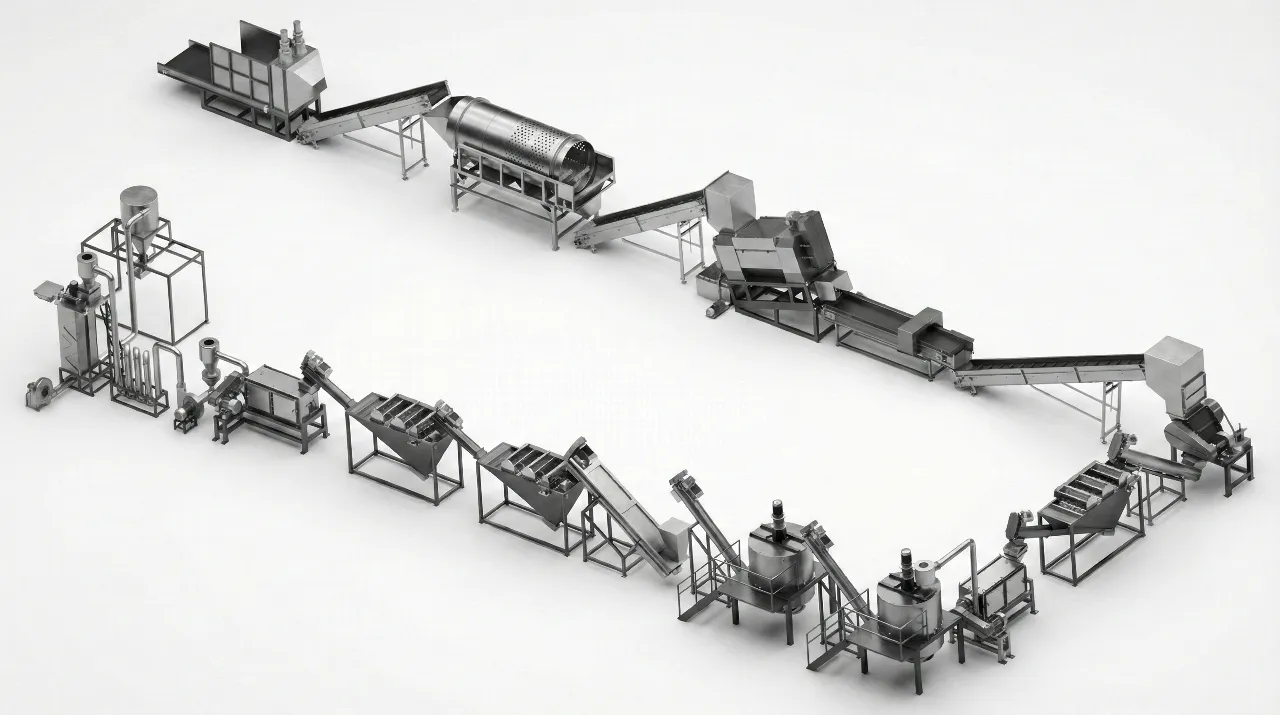
Choose the intended use before sizing the line. A PET bottle flakes washing line prepares the feedstock; sheet extrusion, strap extrusion and fiber spinning are separate downstream processes.
Prepare washed rPET flakes for APET sheet and thermoforming projects. Match bottle color sorting, label and glue removal, rinsing and moisture control to the sheet producer’s requirements for appearance and processing.
Supply a PET strap producer with washed bottle flakes. Define acceptable color, residual contamination and intrinsic viscosity with the buyer, then configure washing, separation and drying around that incoming-material specification.
Produce washed bottle flakes for polyester staple fiber and other fiber applications. Confirm the spinning mill’s requirements for color, polymer contamination, fines and moisture; fiber extrusion and spinning equipment are specified separately.
Collection method, bottle color and packaging residues determine the preparation and cleaning stages. Representative samples help establish the configuration.
| Bottle Feedstock | What to Check | Preparation & Washing Priorities |
|---|---|---|
| Source-separated water and soft-drink bottles | Clear or light-blue content, caps, labels, adhesive and beverage residue | Maintain color separation; remove labels and caps, then wet-grind, hot-wash, rinse and dry to the agreed flake target |
| Baled post-consumer bottles from collection and sorting facilities | Bale density, dirt, metal, non-PET containers and variation between deliveries | Open bales into a controlled feed; strengthen sorting and pre-washing where needed, and size solids removal for the contamination load |
| Mixed-color or heavily sleeved beverage bottles | Color mix, sleeve material, adhesive behavior and the intended flake buyer | Assess color and polymer sorting before crushing; verify label removal and hot-wash performance against a representative sample |
This solution focuses on PET bottles. Trays, multilayer packaging, non-PET containers and heavily contaminated oil or chemical bottles need separate evaluation before inclusion in the feed.
The PET bottle recycling line connects bottle preparation, flake cleaning and output handling. Each stage follows the incoming material and the intended use of the flakes.
Open compressed bales or meter loose bottles into the line. Remove unwanted containers, metal and unsuitable colors, and select a label-removal stage for the actual sleeve and label mix.
Reduce bottles to flakes and release attached labels and residue. Density separation removes floating PP/PE caps and suitable label fragments from sinking PET; PVC and other sinking contaminants require additional sorting.
Select hot-wash conditions for the adhesive and beverage residue present. Friction washing and rinsing remove loosened contamination and wash chemistry, with water treatment sized for the incoming load.
Dewater and dry the flakes, control fines and residual contaminants, and sample the output against the agreed specification. Configure discharge for packing, storage or transfer to separately specified downstream equipment.
Agree the accepted bottle sources, colors and non-PET limits before selecting sorting equipment. Clear-sheet projects and colored fiber projects may need different feed preparation.
Evaluate label removal, hot washing and rinsing together. Cleaning trials on the intended feedstock help establish operating conditions and the residue level the process can achieve.
Set moisture, fines and handling requirements for storage or the buyer’s equipment. Any additional drying, extrusion, filtration or viscosity adjustment belongs in the downstream process scope.
Residual sleeves or non-PET containers contaminate the washed flakes.
Review the bottle and label mix before choosing sorting and separation stages. Sink-float separation alone does not remove every incompatible polymer, including PVC that sinks with PET.
Glue, sugar residue or label fragments remain after washing.
Run a cleaning trial with representative bottles. Adjust hot washing, friction cleaning, rinsing and water handling to the actual residue and the agreed flake acceptance criteria.
Clean-flake output falls short of the incoming bale tonnage.
State dirty input rate and required saleable PET output separately. Allow for caps, labels, moisture, dirt, rejected bottles and process losses in the project mass balance.
Washed flakes do not meet the sheet, strap or fiber producer’s incoming specification.
Agree sampling methods and quality limits with the buyer before final configuration. Check color, polymer contamination, residual glue, fines and moisture, and confirm any further conditioning needed downstream.
Use photos, representative samples and the buyer’s specification to define your project.
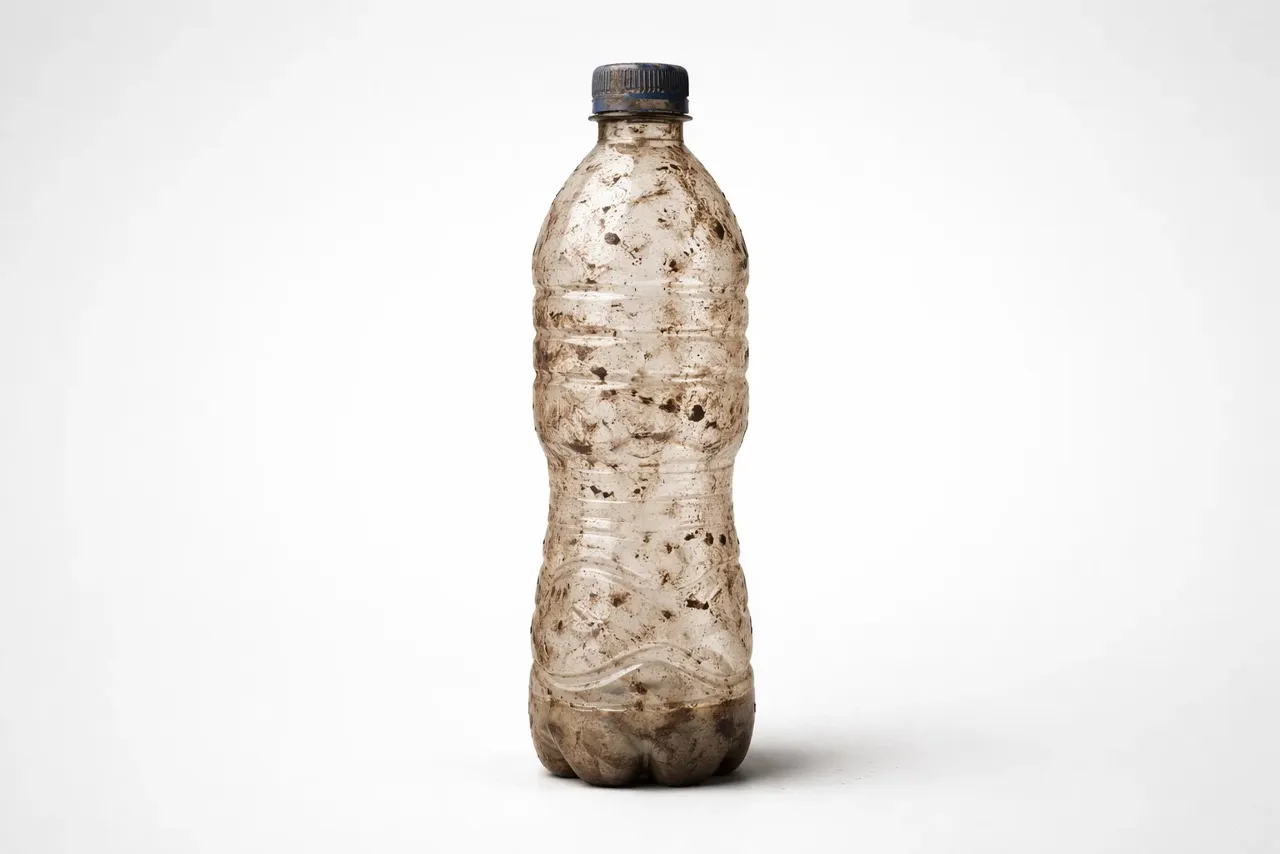
Record how the bottles are collected and delivered, including bale condition, color mix, labels, caps and visible contamination. A sample from normal deliveries is more useful than a hand-picked clean bottle.
Define whether the flakes will be sold or processed into sheet, strapping or fiber. Agree measurable acceptance criteria and sampling methods before choosing the final sorting, washing and drying package.
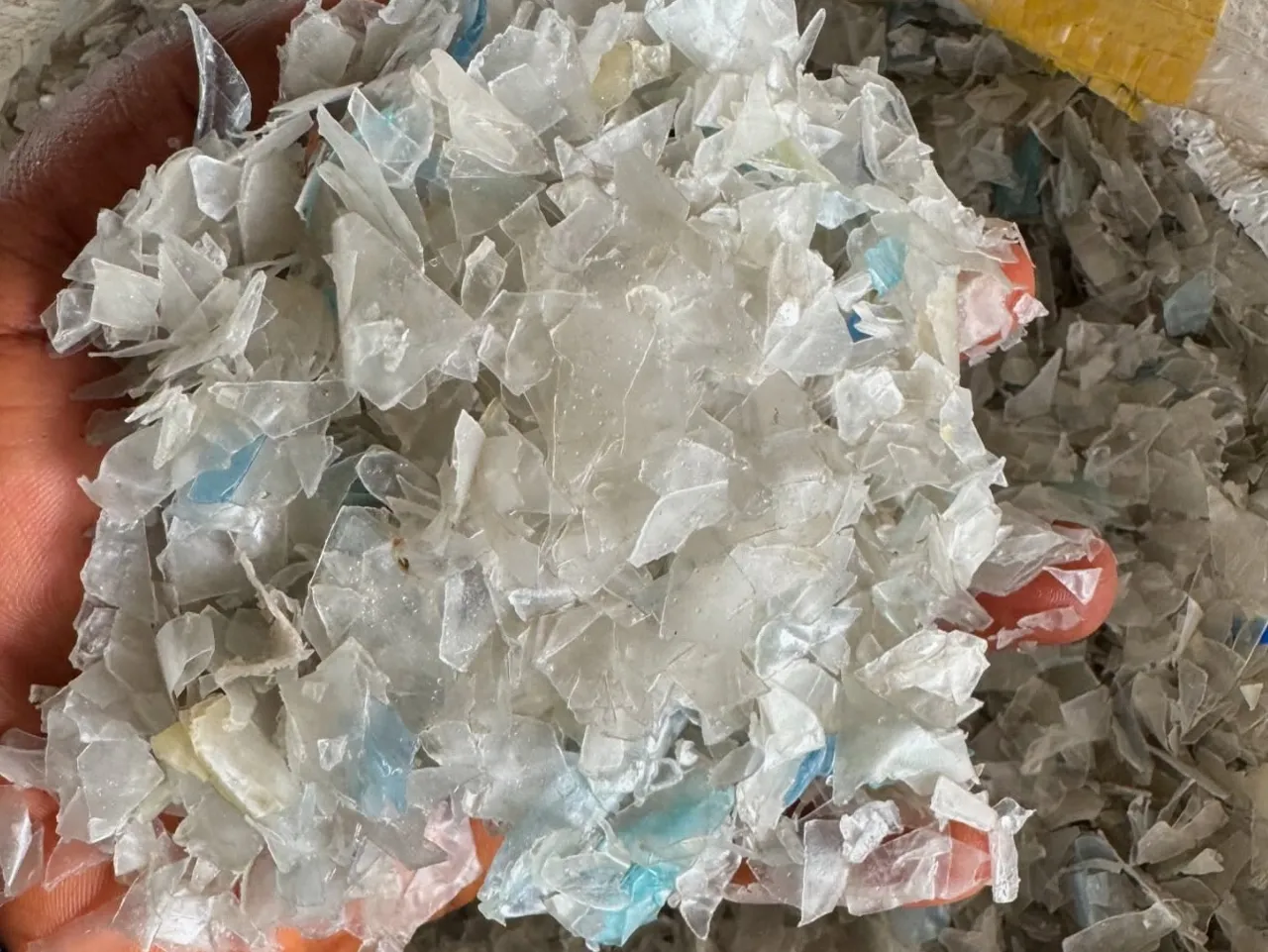
View the washing equipment and material handling used in a PET bottle-to-flake process.
Use these capacity ranges to start the discussion. Final sizing depends on bottle composition, contamination, operating conditions and required clean-flake output.
| Reference Configuration | Capacity Range | Output Requirement | Configuration Priorities |
|---|---|---|---|
| PET Line 500-1000 | 500-1000 kg/h | Washed flakes for an agreed sheet, strap or fiber specification | Debaling, label removal, wet grinding, hot washing, separation and drying |
| PET Line 1000-2000 | 1000-2000 kg/h | Washed flakes with buyer-defined contamination and moisture limits | Sorting, rinsing and drying selected for the incoming bottle mix |
| Higher-Capacity Project | 2000-5000 kg/h | Project-specific washed-flake output | Review feed continuity, sorting duty, water treatment, drying and quality control together |
| Moisture & Discharge | Project-specific | Moisture limit agreed for packing, storage or transfer | Confirm any additional drying required before downstream melt processing |
| Utilities | Project-specific | Water, heat, power and solids-handling requirements | Size recirculation, treatment and sludge handling for the measured contamination load |
Reference ranges are subject to material review and project confirmation. State whether capacity refers to incoming bottles or net washed PET flakes. Final moisture, cleanliness, utilities and acceptance conditions must be agreed for the actual feedstock.
Send the material information and output requirements that determine the equipment scope.
Share photos and representative samples. Identify water or beverage bottles, collection method, bale or loose format, color mix, sleeves, caps and any non-bottle material.
Choose sheet extrusion, PET strapping, polyester fiber or flake resale. Include available limits for color, PVC, polyolefins, glue, fines, moisture and intrinsic viscosity, together with the test methods.
Provide the incoming bottle rate, planned operating hours and required washed-flake output. Note typical dirt, label, cap and moisture content so material losses can be considered.
Confirm the installation country, floor space, power, heating and water-treatment arrangements. Describe existing storage, drying or extrusion equipment and the intended line acceptance procedure.
The buyer sets the limits. These checks help define what the washing line and subsequent equipment must deliver.
| Quality Check | Sheet Extrusion | PET Strapping | Polyester Fiber |
|---|---|---|---|
| Color & Appearance | Confirm clear, tinted or colored sheet requirements | Agree accepted bottle colors for the intended strap | Match the bottle color mix to the fiber producer’s product range |
| Contamination & Fines | Define limits for visible specks, glue, incompatible polymers and dust | Set polymer, metal, glue and fines limits for the extrusion process | Use the spinning mill’s limits for polymers, residues and fines |
| Moisture & Handling | Agree delivered moisture and any pre-extrusion drying duty | Match storage and drying to the strap line’s feed specification | Confirm delivered moisture and conditioning before fiber extrusion |
| Intrinsic Viscosity (IV) | Verify the required IV with the sheet processor | Agree the IV needed for the specified strap product | Confirm the spinning process’s accepted IV range |
The main feedstock is sorted post-consumer PET water and beverage bottles, supplied baled or loose. The configuration depends on colors, sleeves, caps, adhesive and contamination. Trays, multilayer packaging, oil bottles and chemical containers need separate evaluation rather than automatic inclusion in the bottle stream.
The washing line produces washed and dried PET flakes. These can be sold to a flake buyer or prepared for sheet, strapping and polyester fiber applications against an agreed specification. Pelletizing, sheet or strap extrusion, and fiber spinning require separate downstream equipment.
Hot washing helps remove adhesive, beverage residue and other contamination that remains after initial preparation. Washing conditions, friction cleaning and rinsing should be selected through feedstock review and cleaning trials. A PET flakes washing line must meet the agreed residue limits for the intended application.
Acceptance depends on the finished product and the buyer’s specification. Clear-sheet projects may require a controlled clear or light-blue stream, while some colored strap or fiber applications can accept other bottle colors. Washing does not remove the color built into PET, so agree color sorting before sizing the line.
No. It separates floating PP/PE caps and suitable label fragments from sinking PET. PVC and some other label materials can sink with PET and need additional sorting or separation. Full-body sleeves and adhesive behavior should be evaluated before choosing the bottle and flake sorting stages.
No. Washing removes contamination; it does not by itself restore PET intrinsic viscosity or establish food-contact approval. Bottle-to-bottle projects require a separately validated recycling route and applicable compliance assessment. Define any downstream decontamination or viscosity-adjustment stage as part of that project.
The proposal should state both bases clearly. Caps, labels, water, dirt and rejected material reduce the amount of saleable PET relative to incoming bale weight. Provide the bottle composition, target output and operating hours so capacity and material yield can be evaluated together.
Send your bottle photos, target capacity and intended flake use: sheet, strapping, fiber or resale. Include the buyer’s quality specification so we can prepare the sorting, washing and drying configuration.