

Home Appliance & WEEE Recycling

Home Appliance Dismantling & Washing Line

Connect appliance dismantling and metal recovery with crushing, washing and density separation of prepared plastic fractions. Configure the process for waste refrigerators and freezers, end-of-life washing machines, air conditioner housings and dismantled WEEE plastics.

  • Start with appliances or pre-separated plastic fractions
  • Recover metals before intensive plastic washing
  • Configure separation around ABS, HIPS and PP feedstock
View Specifications
Scroll
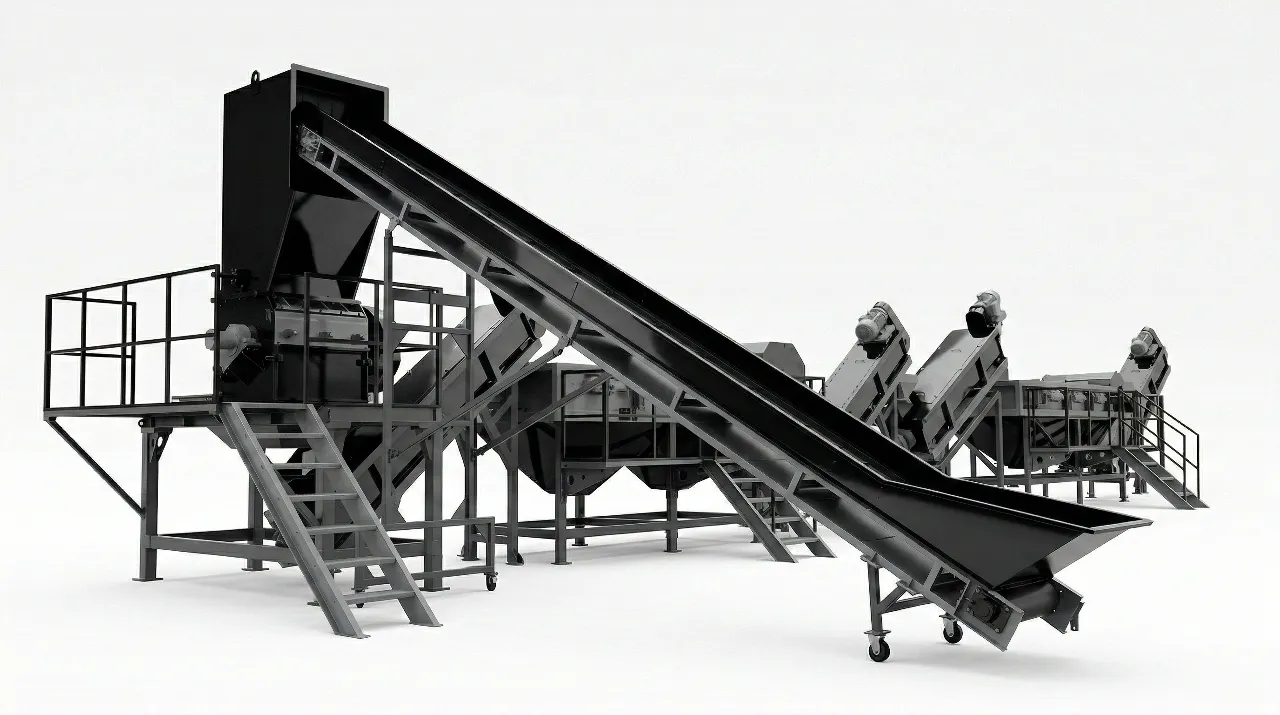
Washing equipment layout reference in a recycling factory
  • Start with appliances or pre-separated plastic fractions
  • Recover metals before intensive plastic washing
  • Configure separation around ABS, HIPS and PP feedstock

Choose the Line Around Your Incoming Material

An appliance dismantling system and a plastics washing system handle different feeds. Connect both stages for a complete project, or add the washing section to an existing dismantling facility.

Incoming MaterialRequired Front EndNext Processing Stage
Whole household appliancesInspection, manual dismantling and removal of hazardous components; refrigerant and oil recovery for cooling appliancesControlled shredding and metal, foam and plastic separation
Depolluted appliance cabinets and assembliesCheck residual components and select the liberation process; insulated cabinets need a dedicated foam and gas treatment designFerrous and non-ferrous recovery, followed by collection of the plastic fraction
Pre-separated appliance plastic scrapCheck polymer mix, metal carryover, rubber, foam and restricted additivesCrushing, friction washing, density separation, rinsing and drying

The plastics washing section accepts prepared material. Whole untreated refrigerators, batteries, circuit boards and display assemblies need separate preparation or treatment routes.

From Appliance Dismantling to Washed Plastic Fractions

The final equipment sequence follows the appliance mix, depollution status and intended outlets for each recovered material.

1

Pre-Dismantling & Depollution

Remove designated hazardous components and recover refrigerants and compressor oil with purpose-built equipment before opening cooling circuits. Separate compressors, cables, batteries, electronics and other components for their appropriate recovery routes.

2

Shredding & Material Liberation

Primary shredding and secondary crushing open prepared cabinets and release attached metal, plastic and insulation. Refrigerator foam needs a contained treatment route with blowing-agent recovery and gas controls specified for the feed.

3

Metal & Light-Fraction Separation

Magnetic separation recovers ferrous material. Eddy current separation targets liberated non-ferrous pieces, while air separation removes suitable light fractions. Copper and aluminum may need further sorting; foam is directed to its dedicated treatment route.

4

Plastic Crushing & Friction Washing

The prepared plastic fraction enters wet size reduction and friction washing to loosen dirt, oil residues, fines and surface contamination. Particle size and washing intensity are selected through feed assessment.

5

Staged Density Separation

Water and, where justified by trials, controlled-density salt-water stages divide the material into density fractions. ABS and HIPS can overlap in density; fillers and flame retardants also change separation behavior, so resin sorting may require additional equipment.

6

Rinsing, Dewatering & Output Checks

Rinse salt-water-treated fractions, mechanically dewater and finish drying to the agreed downstream requirement. Check moisture, residual metals, polymer composition and restricted substances before compounding, pelletizing or sale.

Designed Around Appliance Recovery

Dismantling and Washing in One Process Plan

Define the handoff from prepared appliances to separated plastic scrap. New facilities can plan both sections, while existing dismantlers can add the cleaning and separation modules they need.

Separate Material Outlets

Plan dedicated collection for ferrous metals, non-ferrous fractions, treated foam, plastics and residues. Material liberation and sorting determine the condition of each recovered stream.

Washing Matched to the Plastic Mix

Combine friction, density separation and rinsing around appliance-derived ABS, HIPS and PP. Additional dry sorting can be assessed where density separation alone cannot meet the output specification.

Coordinated Controls and Water Handling

PLC sequencing, equipment interlocks and water recirculation are configured with the line. Filtration, sludge removal, rinse-water management and brine handling are sized to the actual contamination load.

Key Challenges in Appliance Recycling

Problem

Refrigerator cabinets retain insulation foam and blowing agents after the cooling circuit has been drained.

Rumtoo Solution

Specify foam treatment, gas recovery, containment and fire protection as part of the refrigerator process. Dust extraction and a wash tank do not replace these systems.

Problem

Metal fasteners, wiring, rubber seals and foam remain attached to plastic fragments.

Rumtoo Solution

Match the liberation stage to the assembly, recover metals upstream, and assess air classification or rubber separation for the remaining contamination.

Problem

Clean-looking flakes still contain mixed polymers or restricted flame-retardant additives.

Rumtoo Solution

Use feed screening, sample analysis and appropriate sorting. Washing removes surface contamination; it does not remove additives compounded into the plastic.

Problem

Variable dirt load and salt carryover destabilize washing and downstream processing.

Rumtoo Solution

Control bath density, filtration and sludge removal, then size rinsing and drying to the product target. Select wetted materials for the actual chloride concentration, temperature and water chemistry.

Feed Preparation & Separation Within the Line

Module references for project planning. The final arrangement depends on your appliance mix and material trials.

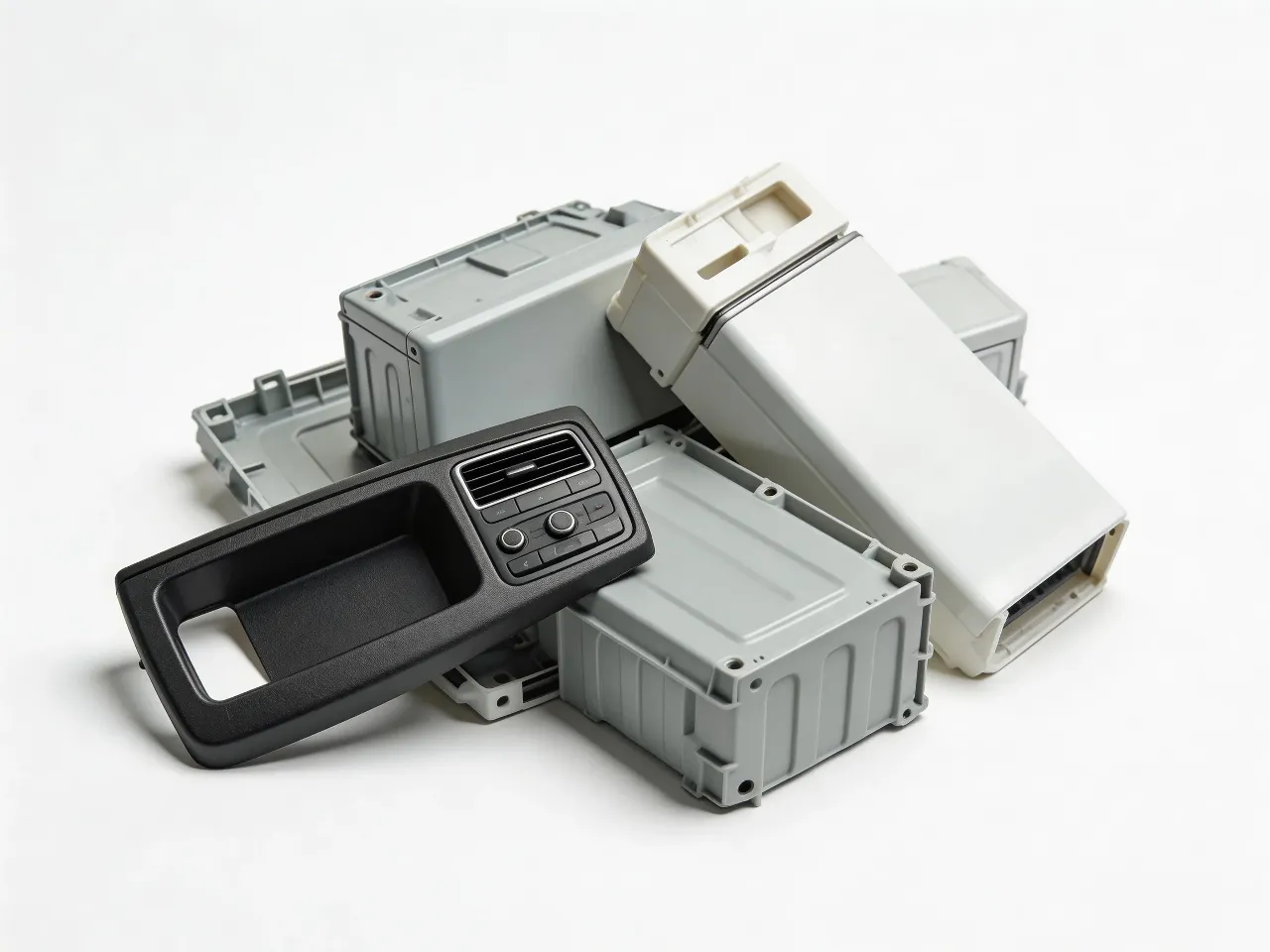
Mixed plastic scrap reference before feed-specific sorting and washing

Prepare the Plastic Fraction Before Washing

After dismantling and liberation, recover metals and separate foam before sending the plastic fraction to washing. Inspect the remaining polymer mix, rubber, dirt and residual metal so the cleaning section receives a defined feed.

  • Ferrous and non-ferrous recovery before the plastic washing section
  • Separate handling for insulation foam and other non-target materials
  • Feed samples checked before selecting the washing route
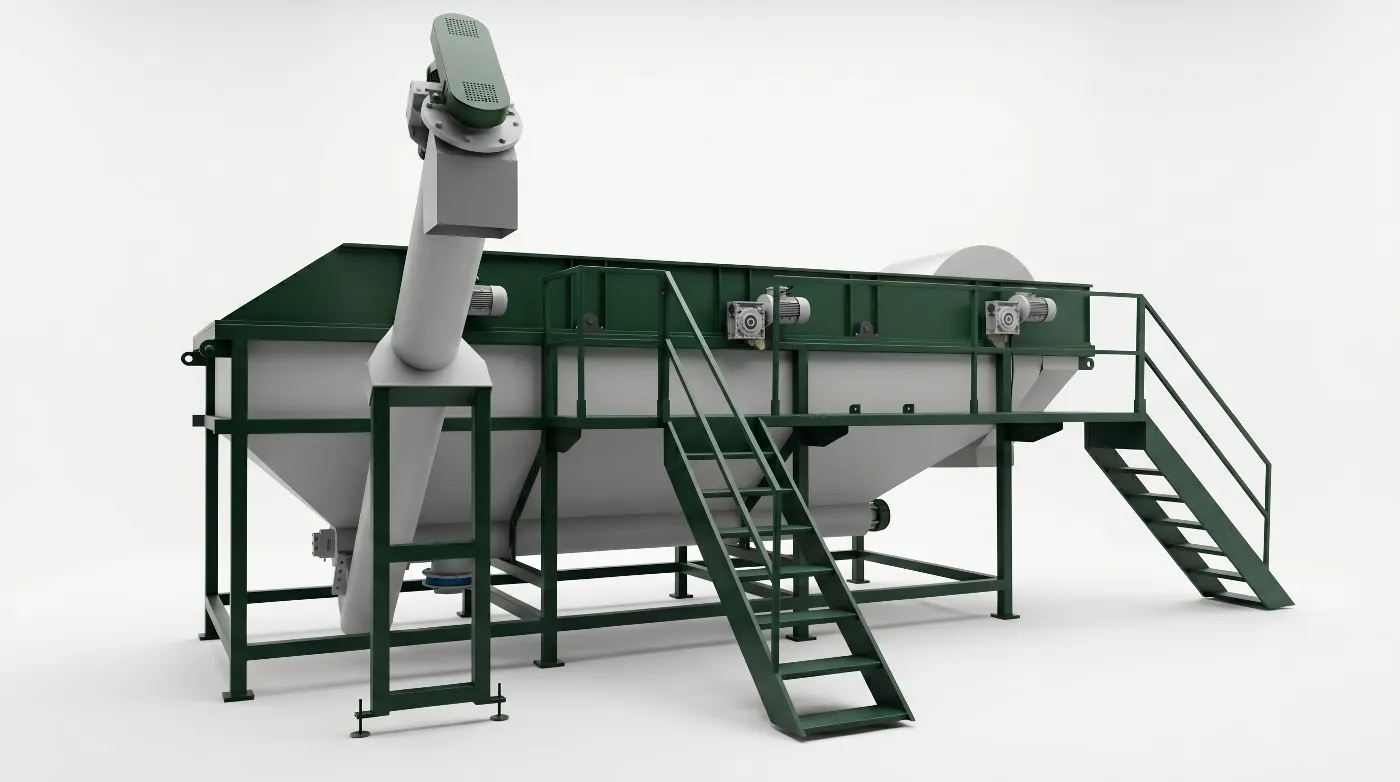
Wash and Split the Prepared Plastic Fraction

Friction washing and density separation address surface dirt and mixed-density material. Trial results determine bath settings, the number of stages and whether additional polymer or rubber separation is needed.

  • Feed preparation before entry into the washing circuit
  • Controlled-density stages selected for the actual polymer mix
  • Rinsing and moisture control matched to the downstream buyer
Tank reference for washing and density separation of prepared appliance plastics

Waste Home Appliance Recycling Applications

  • Waste Refrigerator & Freezer Recycling

    Cabinets, liners and associated plastics after depollution. Refrigerant recovery and insulation-foam treatment are defined separately from the plastic washing section.

  • Waste Washing Machine Recycling

    Dismantled panels, housings and plastic parts. Motors, metal assemblies, concrete counterweights and other non-target components are removed or routed to separate recovery stages.

  • Air Conditioner Housing Recycling

    Prepared plastic housings from air conditioners after refrigerant recovery and separation of compressors, heat exchangers and electrical components.

  • WEEE Plastic Housing Recycling

    Selected plastic housings from waste televisions, computers and printers after removal of batteries, circuit boards, displays and toner components. Feed screening addresses flame retardants and other restricted substances.

Line Configuration & Technical Planning

Module / ParameterConfiguration BasisTo Confirm for Your Project
Dismantling capacityAppliance type, condition, size and manual work contentUnits/hour and incoming mass/hour for the agreed appliance mix
Plastic washing capacityPrepared plastic feed, bulk density and contaminationInput kg/h and saleable output yield from representative trials
Size reduction and metal recoveryPart dimensions, attachments and metal contentShredder/crusher selection, particle size, magnet and non-ferrous stages
Washing and density separationPolymer composition, dirt load and target fractionsWater or salt-water stages, density settings, rinsing and additional sorting
Wetted constructionWater chemistry, chlorides, temperature and wear304 stainless steel options where suitable; confirm brine compatibility and material grade
Controls and utilitiesPLC scope, interlocks, drying and treatment systemsInstalled kW, measured energy use, water makeup, discharge and floor space
Refrigerator treatment packageRefrigerants, insulation and blowing-agent typesDepollution, foam treatment, gas capture and site-specific emission controls

Final capacity, power, water demand, moisture, recovery and purity targets are agreed against a defined feed sample and acceptance method. Appliance intake capacity and plastic washing throughput are separate sizing figures.

What to Send for an Appliance Recycling Line Quote

A clear feed description lets us define the dismantling, separation and washing scope together.

  1. Appliance Mix and Feed Condition

    Send photos or video, appliance categories, daily volume, size range and current dismantling method. State whether the feed is whole appliances, depolluted cabinets or separated plastic scrap.

  2. Composition and Contamination

    Share available polymer analysis and estimates for metal, foam, rubber, dirt and moisture. Identify cooling equipment and any screening already performed for restricted additives.

  3. Recovered Materials and Acceptance Targets

    Define outlets for metals, foam and plastics. Provide buyer requirements for polymer composition, moisture, residual metal and other contaminants, and agree representative sampling for trials.

  4. Site and Integration Requirements

    Provide a layout, power supply, water and wastewater arrangements, local treatment requirements and existing equipment. Clarify who supplies depollution, gas treatment and water treatment systems.

Complete Appliance Line or Plastics Washing Section?

Planning PointDismantling + Separation + WashingPrepared-Plastics Washing Section
Starting materialAppliances requiring inspection and preparationPre-separated plastic fractions with defined contamination
Front-end scopeDepollution interfaces, dismantling, liberation and material recoveryFeed inspection, metal protection and plastic size reduction
Cooling appliancesDedicated refrigerant and foam/blowing-agent treatment scopeAccept only material prepared for the washing process
Main outputsSeparate metal, treated foam, plastic and residue streamsWashed and dried plastic density fractions; further sorting as required
Sizing basisAppliance intake plus the resulting plastic mass balancePlastic input kg/h, contamination and agreed output specification

Home Appliance Recycling Line Questions

What does a waste refrigerator recycling line include?

A waste refrigerator recycling line can combine pre-dismantling, refrigerant and oil recovery, controlled shredding, foam and gas treatment, metal separation and plastic washing. These modules must be specified together for the incoming appliances. The plastics washing section itself is for prepared plastic fractions and cannot accept untreated refrigerators.

Can we add a washing line to an existing appliance dismantling plant?

Yes. Send samples of your separated plastic fraction, its polymer mix, particle size, residual metal, foam, rubber and dirt. The washing section can then be configured around the material your existing plant actually produces, with agreed feeding, controls and discharge interfaces.

Will salt-water separation produce pure ABS, HIPS and PP?

Not on its own in every feed. Density separation creates fractions at selected density cut points. ABS and HIPS can overlap, and fillers or flame retardants change the behavior of individual pieces. Sample trials determine useful cut points and whether optical, electrostatic or other sorting is needed to meet a resin specification.

Does washing remove flame retardants from WEEE plastics?

Washing removes surface dirt and residues, not flame retardants compounded into the polymer. Screen the incoming material, isolate unsuitable fractions and verify recovered plastics against the applicable requirements and buyer specification. A density split is not proof that a fraction is free of restricted substances.

Are televisions, circuit boards and batteries fed into the same wash line?

No. This application covers selected plastic housings after appropriate dismantling. Batteries, circuit boards, displays, toner components and other non-target or hazardous parts need their own treatment routes before the plastic fraction enters crushing and washing.

What capacity and output quality can you quote?

Capacity and quality are defined for a specific feed and process scope. Whole-appliance intake, prepared plastic input and saleable output are different figures. Share representative material and target outlets so throughput, recovery, moisture, residual metal and polymer composition can be evaluated with an agreed sampling and acceptance method.

Plan Your Appliance Dismantling & Washing Line

Tell us which appliances or plastic fractions you receive, your current preparation process and the materials you want to recover. We will assess the equipment sequence, integration scope and sample tests needed for a proposal.

Expert response within 24 hours. No obligation quote.