

Food Container & Coated Plastic Recycling

Plastic Hot Washing & Paint Removal Systems

Configure a hot washing line for used plastic food containers, or a paint removal and washing line for coated plastic scrap. Each route combines the treatment your material needs with friction cleaning, separation, rinsing and drying.

  • Hot washing for sorted PP food containers and PET trays
  • Mechanical paint removal for selected coated plastic parts
  • Washing settings and output targets confirmed by sample trials
View Process Flow
Scroll
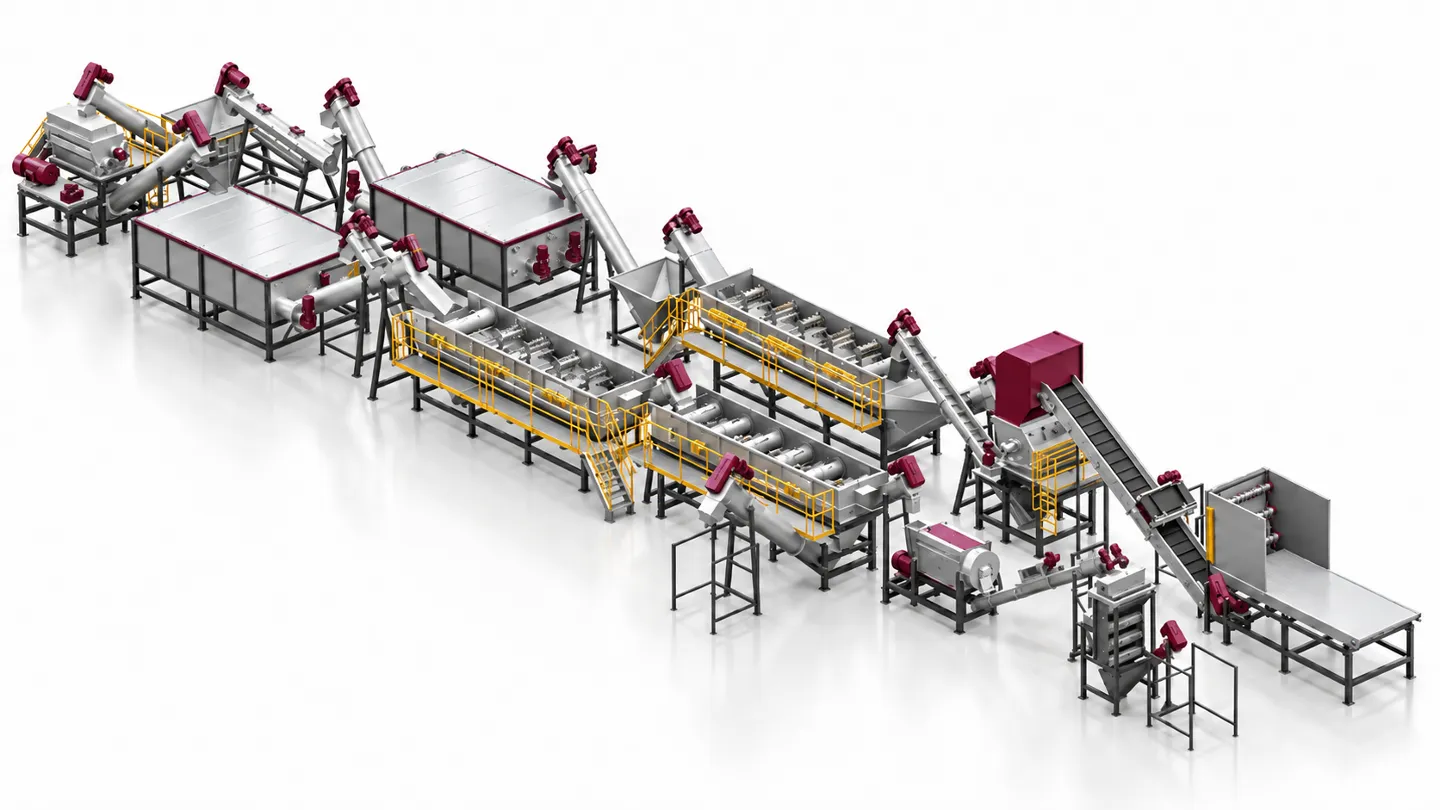
Plastic hot washing and paint removal system layout with washing tanks and screw conveyors
  • Hot washing for sorted PP food containers and PET trays
  • Mechanical paint removal for selected coated plastic parts
  • Washing settings and output targets confirmed by sample trials

Choose the Cleaning Route for Your Plastic Scrap

Food residue and surface coatings need different treatment. Start with the polymer, contamination and intended recycled product.

Incoming MaterialCleaning RouteKey Design Check
Used PP food containers and lunch boxesPre-cleaning, size reduction, hot washing, friction cleaning and rinsingFood and oil load, labels, wash chemistry and the floating PP fraction
Sorted PET food trays and packagingPET-specific hot washing, friction cleaning, separation and dryingTray composition, adhesives, multilayer contamination and the sinking PET fraction
Painted plastic parts and coated scrapMechanical coating removal, friction washing, repeated rinsing and residue separationPolymer compatibility, coating adhesion, fines generation and acceptable residual paint

PP and PET need separate sorting and operating recipes. Multilayer packaging, mixed polymers and unfamiliar coatings require sample assessment before line selection.

From Contaminated Plastic to Washed Flakes

Select hot washing or paint removal as the main treatment stage. The surrounding modules prepare the feed and carry away the released contamination.

1

Sort & Pre-Clean

Identify the target resin and remove metals, incompatible plastics and loose waste. Drain food residues and pre-clean heavily soiled containers to reduce the load on the main washing circuit.

2

Crush to a Controlled Size

Reduce containers or prepared parts into flakes. Match the cutting system and screen size to wall thickness, feed dimensions and the contact area needed for cleaning.

3

Hot Wash or Remove Paint

Use heated washing with suitable detergent or alkali for greasy food packaging. For coated scrap, use a trial-selected mechanical attrition stage, with media or additives only where the material requires them.

4

Friction Wash

Mechanical rubbing and water flow loosen remaining dirt, labels and detached coating particles. Adjust washing intensity to clean the surface while controlling plastic loss and fines.

5

Separate & Rinse

Use density separation for the intended product fraction, then rinse away loosened contamination and wash chemicals. Remove solids from the water circuit to limit carryover and recontamination.

6

Dewater, Dry & Check

Mechanically dewater the flakes and add drying as required for storage or extrusion. Check residual contamination, polymer composition and moisture against the agreed output specification.

A Washing System Matched to the Contamination

Treatment Settings for Each Feed

Match temperature, contact time, wash chemistry and friction intensity to your material. A food-container recipe and a coated-part recipe are specified separately.

Residue Removal Throughout the Line

Plan screening, filtration, sludge removal and rinse-water management alongside the washers. Released grease, label fragments and paint fines need a defined exit from the process.

New Lines or Targeted Upgrades

Build a complete preparation and washing line, or assess hot washing and paint removal modules for an existing plant. Feeding, controls and discharge interfaces are included in the scope review.

Cleaning Challenges and Process Responses

Problem

Food oils and sticky residues remain after a simple cold rinse.

Rumtoo Solution

Combine appropriate heat, wash chemistry and agitation, followed by friction washing and clean-water rinsing. Validate residue and odor targets using representative food-container samples.

Problem

Paint adhesion varies, and aggressive abrasion creates excessive plastic fines.

Rumtoo Solution

Test the coating and base polymer together. Select attrition intensity and residence time against both residual coating and usable plastic yield.

Problem

Mixed PP, PET and multilayer packaging produce an inconsistent recycled fraction.

Rumtoo Solution

Sort before washing and select the correct density-separation outlet. Add material sorting where density alone cannot meet the polymer specification.

Problem

Dirty recirculating water transfers removed contamination back to the flakes.

Rumtoo Solution

Size solids removal, water treatment, purge and makeup around the actual contaminant load. Keep final-rinse quality separate from the dirtier main washing circuit.

Two Application Routes, Different Main Treatments

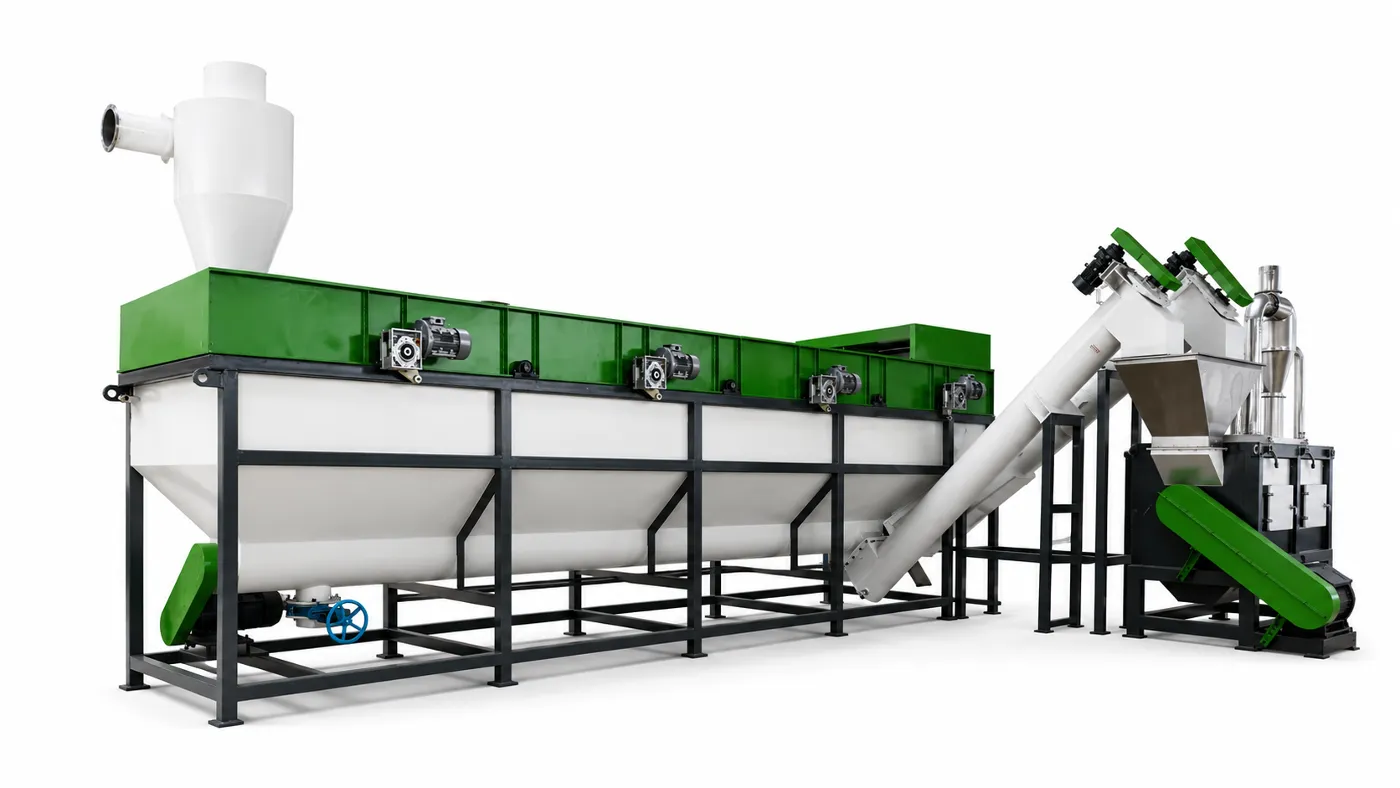
Existing equipment views illustrate line planning and separation modules; the final layout follows your feed.

Installed plastic washing line reference for equipment layout and access planning

Food Container Hot Washing Line

A plastic lunch box recycling line targets food residue, grease and surface dirt on sorted containers. After crushing, a heated wash stage softens deposits for mechanical removal. Temperature, detergent or alkaline chemistry and contact time are selected for the resin and contamination.

  • PP takeaway containers and PET food trays assessed as separate feeds
  • Hot washing followed by friction cleaning and repeated rinsing
  • Dewatering and drying matched to the next processing stage
Plastic Paint Removal & Washing Line

For selected painted plastic scrap, mechanical attrition loosens the surface coating before friction washing and rinsing remove the released residue. Screened water circuits and, where useful, air separation manage paint powder and light impurities. Coating removal is assessed together with plastic yield.

  • Trial the actual polymer, coating system and incoming particle size
  • Collect detached paint and fines instead of recirculating them
  • Confirm residual coating and downstream processing quality
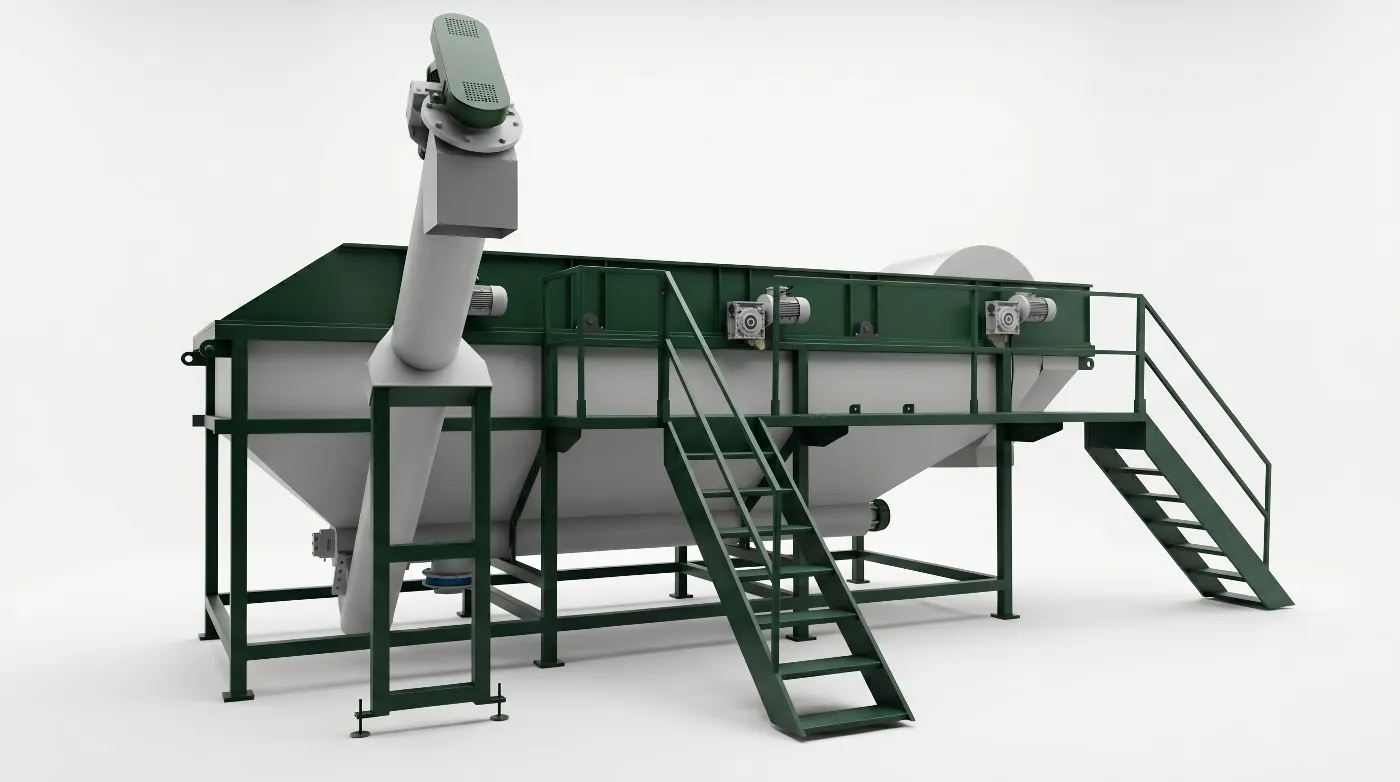
Plastic washing and density separation tank reference

Food Packaging and Painted Plastic Recycling Applications

  • Used PP Lunch Boxes & Takeaway Containers

    Sorted polypropylene meal boxes with food residue, cooking oils and labels, prepared for hot washing and recovery of the target PP fraction.

  • PET Food Trays & Thermoformed Packaging

    Identified PET tray streams with a defined adhesive and contamination profile. Multilayer structures and incompatible packaging are assessed before processing.

  • Painted Plastic Housings & Molded Parts

    Selected coated ABS, PP or other identified plastic parts after removal of metals and assemblies. Suitability depends on the coating, substrate and trial results.

  • Pre-Crushed Scrap & Existing Washing Plants

    Prepared flakes that need stronger surface cleaning. Review a hot wash or paint removal upgrade against the existing line capacity, water system and dryer.

Configuration and Operating Parameters

ParameterSelection BasisProject Confirmation
Processing capacityFeed bulk density, flake size and contaminationInput kg/h, usable output yield and continuous-run conditions
Hot wash temperature60–90°C reference range for the food-container hot wash routeFinal setpoint, contact time and wash chemistry validated for the actual polymer
Paint removal intensityCoating adhesion, substrate and attrition responseResidual coating, media or additive needs, wear and plastic fines
Density separationTarget polymer and contaminant densityPP generally floats and PET sinks in water; filled and multilayer materials need checking
Rinsing and water treatmentGrease, suspended solids, coating fines and chemical carryoverRinse stages, filtration, sludge handling, purge and fresh-water makeup
Dewatering and dryingFlake geometry and downstream storage or extrusion requirementsFinal moisture target and the agreed measurement method
Controls, construction and utilitiesHeating method, chemistry, wear and plant interfacesPLC scope, wetted materials, installed power, heating demand and footprint

The temperature range is a process reference, not a universal setting. Capacity, energy and water use, cleaning performance and output quality are confirmed for the agreed feed and line configuration.

What to Send for a Washing Line Proposal

A representative sample and a clear output target help define the treatment stages and trial plan.

  1. Material and Incoming Form

    Provide the polymer, container or part type, photos, dimensions and current preparation method. State whether you receive whole containers, parts or pre-crushed flakes.

  2. Contamination and Samples

    Describe food oils, labels, adhesives or paint. Share coating information where available and include typical dirty material, rather than only the easiest pieces.

  3. Capacity and Output Requirements

    Give input kg/h, operating hours and the intended buyer or extrusion process. Define acceptable residual paint or dirt, odor, moisture and material loss.

  4. Site and Existing Equipment

    Send available space, power and heating supply, water arrangements and wastewater treatment capacity. Include current equipment if the project is a retrofit.

Hot Washing or Paint Removal?

Planning PointFood Container Hot WashingPlastic Paint Removal
Main cleaning targetFood residue, oils and surface depositsPaint or coating attached to a plastic surface
Core treatmentHeat, compatible wash chemistry and agitationMechanical attrition selected through coating trials
Supporting stagesFriction washing, density separation and clean-water rinsingFriction washing, repeated rinsing and paint-fines separation
Water circuit focusGrease, organics and wash-chemical carryoverDetached coating solids, fines and any process additives
Acceptance checksResidual contamination, odor target, moisture and polymer mixResidual coating, plastic yield, moisture and downstream processing

Hot Washing & Paint Removal Questions

How does a used plastic lunch box hot washing line work?

Sorted containers are pre-cleaned and crushed, then treated with heated water and suitable wash chemistry to loosen grease and food residue. Friction washing, separation and repeated rinsing carry the contamination away before dewatering and drying. The recipe depends on the polymer and incoming residue load.

Can PP meal boxes and PET food trays use the same settings?

No. PP and PET need distinct sorting, washing and product-collection arrangements. PP generally floats in water while PET sinks, and their heat and chemical compatibility differ. A line may be assessed for separate production campaigns, but mixed feed does not become a single pure polymer through washing alone.

Is 60–90°C required for every hot washing project?

No. This is a reference range for the food-container hot wash process. The operating temperature, contact time and chemistry must be selected together for the resin, deposits and equipment. Trials establish a useful cleaning window and help avoid unnecessary heating or damage to the material.

Can the line remove every paint type or change the color of plastic?

Paint removal addresses a surface coating. It does not remove pigments compounded into the polymer. Coating adhesion, thickness and the base plastic affect the result, so representative trials are needed to agree residual coating and plastic yield; complete removal is not assumed.

Will hot washing remove all odors or make food-grade recycled plastic?

Removing food residue can reduce sources of odor, but odors absorbed into the polymer may need additional treatment. A washing line alone does not establish food-contact suitability. Agree the intended end use and verify the recycled material against the relevant buyer and application requirements.

Can hot washing or paint removal be added to an existing line?

Yes, subject to a review of feed rate, particle size, available heating, water treatment and drying. Send the current process layout and representative samples so the added module, transfer points, controls and residue-handling requirements can be assessed together.

Find the Right Cleaning Process for Your Plastic Scrap

Send photos and samples of your food containers or painted plastic parts, along with the required output quality. We will assess the washing route, equipment scope and trial requirements.

Expert response within 24 hours. No obligation quote.