

Pipe Chipping Machines

Pipe Chipping Machine

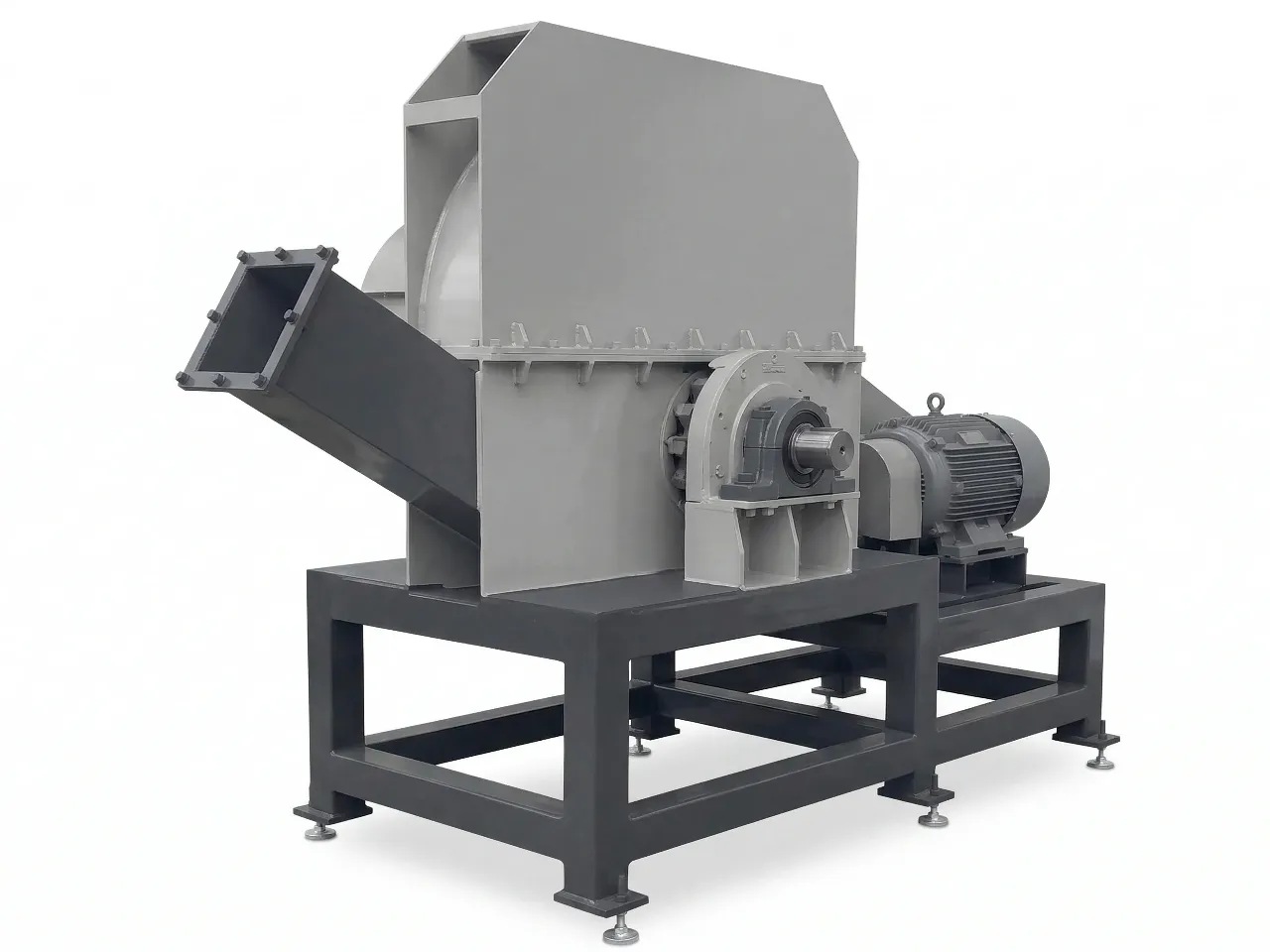
Unlike a conventional low-speed pipe shredder, this machine works more like a wood chipper — high-speed rotary blades continuously chip long plastic pipes into manageable flakes. Simple direct feed, no hydraulic pusher required, compact footprint. Ideal first-stage volume reduction for regular PE and HDPE pipes before washing or granulation.

  • Matched to your feedstock and output target
  • Stable throughput with controlled discharge size
  • Layout, controls, and service support customized
View Specifications
Scroll
Horizontal heavy-duty HDPE pipe shredder main view
  • Matched to your feedstock and output target
  • Stable throughput with controlled discharge size
  • Layout, controls, and service support customized

Backed by Documented Performance Targets

CE Certified Manufacturing
24/7 Global Technical Support
12-Month Comprehensive Warranty
Turnkey Installation & Training

How a Pipe Chipping Machine Works

Think wood chipper, not shredder. The machine is optimized for continuous feed of regular-shaped plastic pipe — fast, simple, and compact.

1

Direct Continuous Pipe Feed

Long PE or HDPE pipes slide directly into the feed opening. No hydraulic pusher mechanism is required — the pipe is drawn in continuously as the rotor cuts. This eliminates pre-cutting labor and simplifies the feed process.

2

High-Speed Rotary Chipping

Hardened rotary blades chip the pipe at high speed, similar to a wood chipper working through timber. The cutting action reduces the pipe into flat chips or flakes quickly, making it suitable for fast volume reduction.

3

Chip Size by Blade Geometry and Rotor Speed

Output chip size is governed by rotor speed and blade count — no screen is required for primary reduction. This keeps the design simple and reduces maintenance compared to screen-based shredders.

4

Discharge to Downstream Crusher or Washer

Chips are conveyed by blower or belt to a secondary crusher, friction washer, or granulator for final size reduction. The chipping stage handles bulk volume reduction; downstream equipment achieves the final pellet-ready particle size.

Why Choose a Pipe Chipping Machine Over a Pipe Shredder

Fast Processing of Long Pipes

Continuous direct feed means long PE and HDPE pipes — even 6 m lengths — are processed without pre-cutting or repositioning. Throughput per hour is high for compatible, regular-shaped material.

Simple, Compact Machine Design

No hydraulic pusher, no long infeed trough, no complex force-feed mechanism. The chipper design is mechanically simpler than a horizontal shredder, reducing footprint and maintenance points.

High Throughput for Regular Pipe Shapes

Optimized for consistent round-section PE/HDPE pipe, the high-speed rotor delivers fast volume reduction per kilowatt compared to low-speed tearing on compatible material grades.

Efficient First-Stage Volume Reduction

Quickly reduces bulk pipe volume before a crusher, friction washer, or pelletizing system — cutting handling and transport costs at the front of the recycling line.

Limitations to Know Before You Specify a Pipe Chipper

Problem

The machine is optimized for regular, round-section PE/HDPE pipe — not all plastic waste.

Rumtoo Solution

Irregular plastics, bulky drums, blocks, profiles, or mixed material shapes do not feed reliably. If your feedstock varies widely in shape, a low-speed single-shaft shredder with hydraulic pusher is a better fit.

Problem

High-speed blades are more sensitive to metal contamination than low-speed shredder knives.

Rumtoo Solution

A magnetic separator and metal detector upstream is strongly recommended. Hard foreign objects — metal inserts, concrete, fittings — cause rapid blade damage at high cutting speeds.

Problem

Output is chips or flakes, not screen-controlled regrind.

Rumtoo Solution

The chipper produces primary chips that typically require a downstream crusher or granulator to reach pelletizer feed size. If you need screen-controlled, uniform regrind in one step, a shredder with bottom screen is more suitable.

Problem

Higher noise and vibration than low-speed shredding.

Rumtoo Solution

High-speed rotary chipping is louder and creates more vibration than low-speed high-torque shredding. Acoustic enclosures or hearing protection zones should be factored into the plant layout.

Equipment and Material Reference

Visual references for HDPE pipe feedstock conditions and primary-shredded output quality.

Industrial recycling equipment integration view

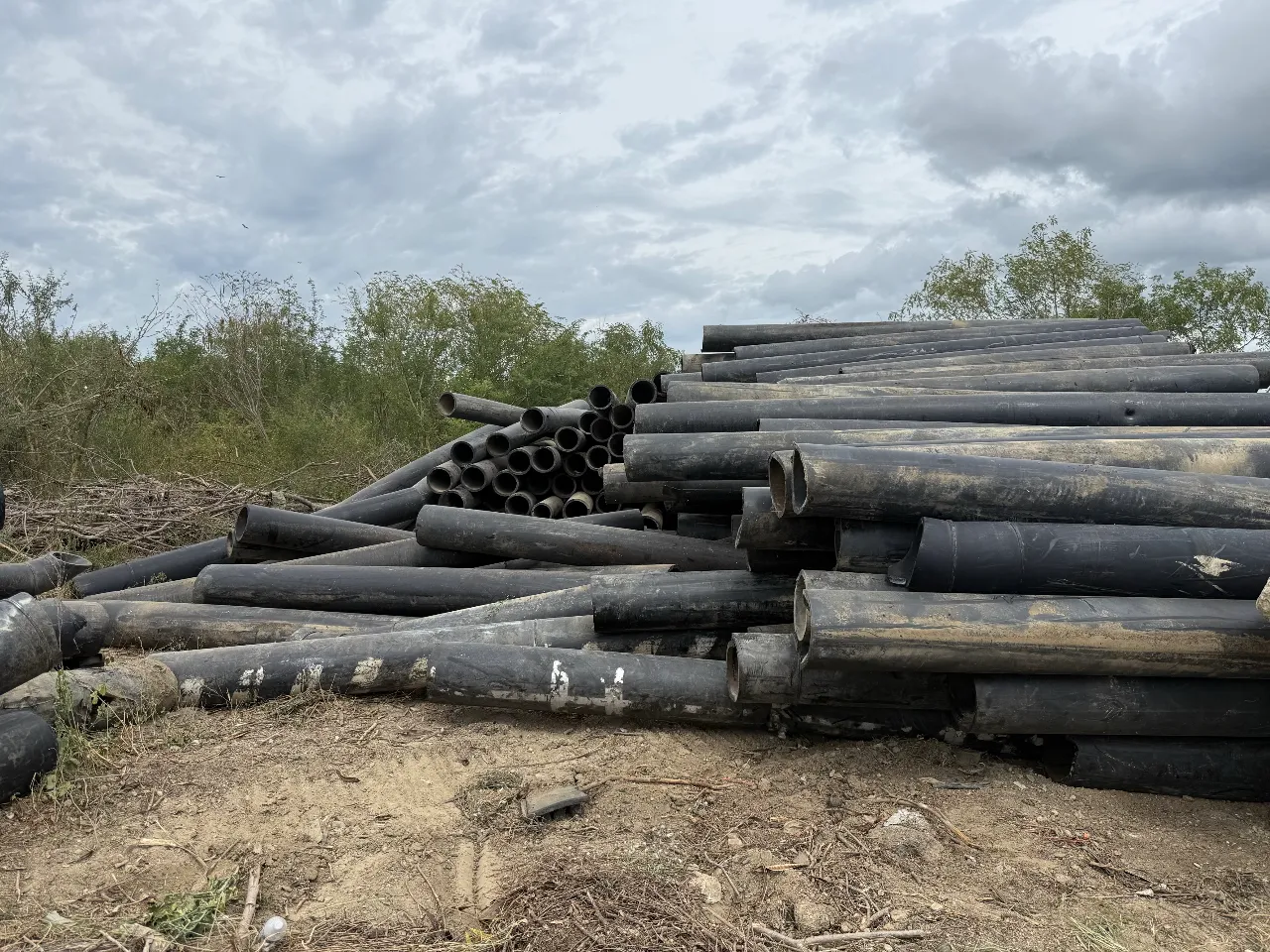
Input Material: Large-Diameter HDPE Pipe

Use this reference to evaluate pipe OD, wall thickness, and bundle configuration before confirming the shredder model and hopper width.

  • Handles HDPE pipes from 110 mm to 1200+ mm OD
  • Horizontal hopper accommodates full-length pipes without pre-cutting
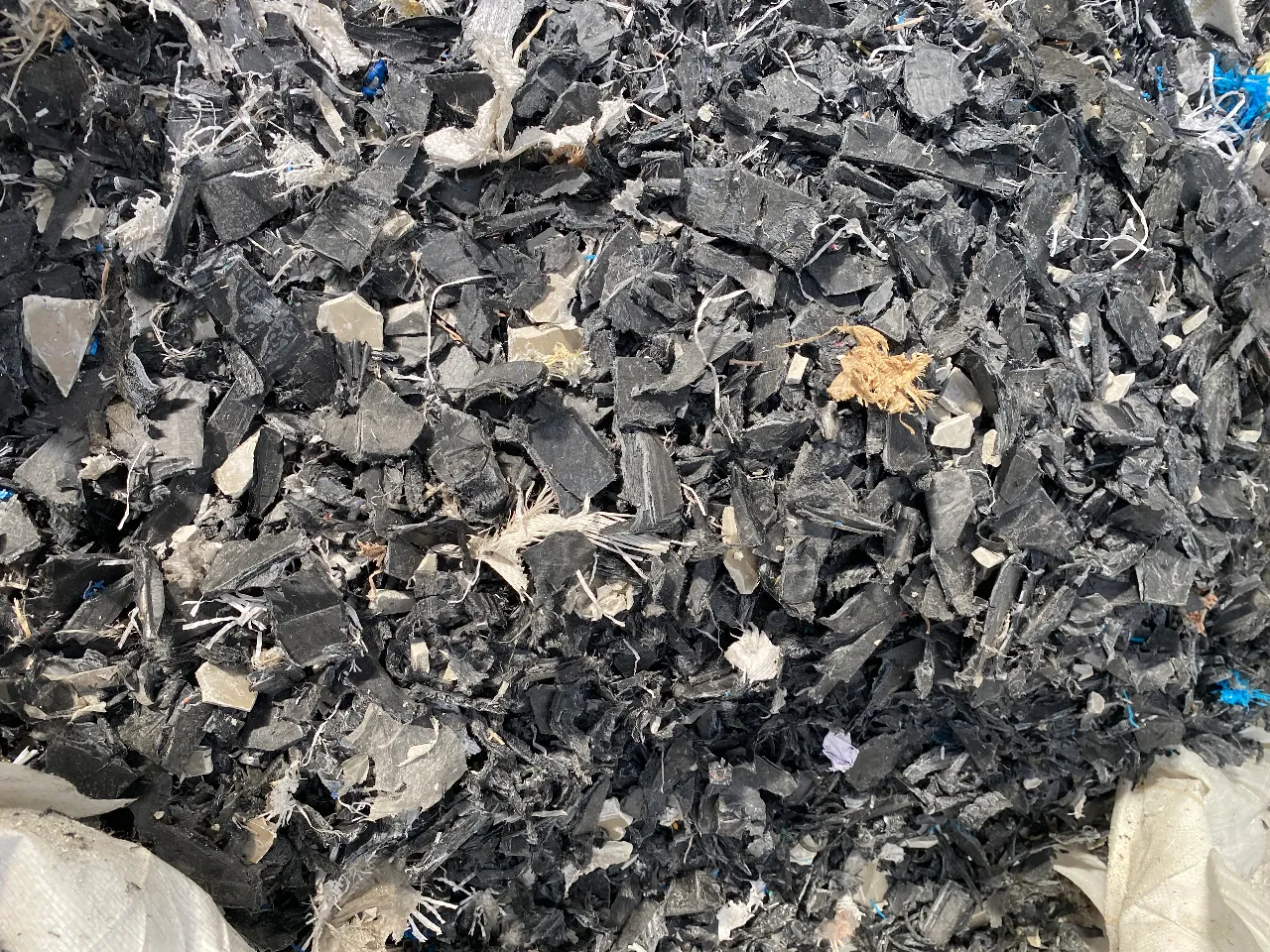
Output Material: Primary-Shredded HDPE Regrind

Coarse regrind from the shredder is ready for a crusher, washing line, or bulk storage. Screen size determines the output window.

  • Typical primary shred size: 50–120 mm (screen-dependent)
  • Low fines ratio improves washing efficiency and downstream melt stability
Prepared recycled plastic material

Video Demonstration

View the machine workflow under real operating conditions.

Best Applications for a Pipe Chipping Machine

  • Post-Consumer PE & HDPE Pipe Recycling

    Regular-section municipal, agricultural, and gas PE pipes for collection and recycling campaigns where fast volume reduction is the priority.

  • Production Scrap & Pipe Offcuts

    Clean or lightly contaminated PE and HDPE offcuts from extrusion lines, where consistent pipe shape makes chipper feeding reliable and fast.

  • Pre-Shredding Before Washing or Granulation

    First-stage volume reduction before a friction washer, wet granulator, or pelletizing system — handling bulk pipe lengths that cannot be directly fed into downstream size reduction equipment.

  • PP & PVC Pipe Recycling

    Suitable for regular-section PP and rigid PVC pipe where pipe shape is consistent and contamination is low. Confirm blade and rotor specification for PVC with Rumtoo before ordering.

  • Compact Pipe Recycling Line Front-End

    Where floor space is limited and feedstock is regular pipe, the chipper is a compact alternative to a full horizontal shredder line.

  • High-Volume PE Pipe Chip Production

    Where throughput per square meter of floor space is a priority and feedstock is clean, consistent PE pipe, the high-speed chipper outperforms low-speed shredders on volume-per-hour.

Pipe Chipping Machine Models and Specifications

ModelTypical ThroughputSizing Reference
PCM-500200–400 kg/hRotary Chipper | 30 kW | Feed opening 900 × 600 mm | Rotor 500 mm | Screenless
PCM-1000400–600 kg/hRotary Chipper | 55 kW | Feed opening 1200 × 800 mm | Rotor 700 mm | Screenless
PCM-1500600–800 kg/hRotary Chipper | 90 kW | Feed opening 1500 × 1000 mm | Rotor 900 mm | Screenless
PCM-3000800–1200 kg/hRotary Chipper | 160 kW | Feed opening 2000 × 1200 mm | Rotor 1100 mm | Screenless

Use these models for planning. Final sizing is confirmed by pipe OD, wall thickness, material grade, and contamination level.

Is a Pipe Chipper Right for Your Application?

A pipe chipper performs best with regular, round-section PE/HDPE pipe and clean or lightly contaminated feedstock. Confirm the following before specifying.

  1. Pipe Shape and Consistency

    Provide the OD range, typical wall thickness, and maximum pipe length. If the feedstock is predominantly round-section, consistent pipe, a chipper is suitable. If you handle drums, blocks, profiles, or heavily mixed shapes, specify a low-speed shredder instead.

  2. Contamination Level

    Specify contamination type — soil, fittings, or metal inserts. Light soil contamination is manageable; metal inserts require upstream detection and removal. Heavy or variable contamination favors a low-speed shredder with higher blade tolerance.

  3. Required Output Size and Downstream Process

    Confirm whether chips feed a crusher, washing line, or granulator. The chipper handles primary volume reduction. If a specific particle size is needed in one step, a shredder with a bottom screen may be a better match.

  4. Throughput and Feeding Method

    State the required kg/h and how pipes arrive — manual roll-in, conveyor, or crane. The chipper handles continuous long-pipe feed well; for bulk-dumped irregular material, a top-feed shredder is more forgiving.

Pipe Chipping Machine vs. Horizontal Pipe Shredder

CriteriaPipe Chipping MachineHorizontal Pipe Shredder
Cutting principleHigh-speed rotary chipping — like a wood chipperLow-speed high-torque tearing with hydraulic pusher ram
Best feedstockRegular round-section PE/HDPE pipe, consistent shapeOversized or irregular pipe up to Ø2,000 mm, whole 6 m lengths
Feed mechanismDirect continuous pipe feed — simple, compactLong hydraulic pusher (up to 7,500 mm stroke)
OutputChips/flakes — primary reduction, downstream crusher neededScreen-controlled regrind — selectable output size
FootprintCompact — no long infeed trough or pusher frameLarge — long hopper and hydraulic frame required
Noise & vibrationHigher — high-speed chipping is louderLower — low-speed high-torque is quieter

Frequently Asked Questions — Pipe Chipping Machine

What is the difference between a pipe chipping machine and a pipe shredder?

A pipe chipping machine uses high-speed rotary blades to chip pipe quickly — similar to how a wood chipper works. A pipe shredder uses a low-speed, high-torque rotor to tear through material more slowly. The chipper is faster and more compact for regular-section pipe; the shredder handles larger OD, irregular shapes, and heavier contamination more reliably.

What pipe sizes and materials can this machine handle?

The machine is optimized for regular round-section PE and HDPE pipes. Standard models handle diameters up to 400–800 mm OD depending on model. PP and rigid PVC are also processable — confirm blade and rotor specification with Rumtoo for PVC. Irregular, bulky, or non-pipe plastic waste is not suitable.

Do I still need to pre-cut pipes before feeding?

No. Long pipes feed continuously and directly — the machine draws the pipe in as the rotor cuts. Pre-cutting is not required and eliminates a labor step upstream.

What output size does a pipe chipper produce?

Output is chips or flakes determined by rotor speed and blade geometry, typically 30–80 mm for primary chipping. This is not screen-controlled regrind — a downstream crusher or granulator is required to reach pelletizer feed particle size.

Is metal contamination a problem?

Yes — more so than with a low-speed shredder. High-speed blades are sensitive to hard foreign objects. A magnetic separator and metal detector upstream is strongly recommended. Pipes with embedded metal fittings or concrete should be cleaned before feeding.

How does throughput compare to a pipe shredder?

For compatible regular-section PE/HDPE pipe, the chipper can deliver higher throughput per kilowatt than a low-speed shredder. For irregular, oversized, or heavily contaminated material, a low-speed shredder is more suitable and may achieve better effective throughput.

What data should I send before requesting a quotation?

Send pipe OD range, wall thickness, material grade (PE/HDPE/PP/PVC), contamination type, required kg/h, downstream process (crusher/washer/granulator), and feeding method. Photos or video of the actual feedstock are very helpful.

Can the chipper replace a pipe shredder in my line?

It depends on your feedstock. If your material is regular-section PE/HDPE pipe with low contamination, a chipper is a compact and fast alternative. If you process oversized pipe (above 800 mm OD), irregular shapes, or heavily contaminated post-consumer material, a horizontal pipe shredder with hydraulic pusher is more appropriate.

Not Sure Whether You Need a Pipe Chipper or a Pipe Shredder?

Send your pipe dimensions, material grade, contamination profile, and throughput target. Rumtoo will recommend the right machine and explain the difference in plain terms.

Expert response within 24 hours. No obligation quote.