
Ancillary Equipment

Sink-Float Separation Tank

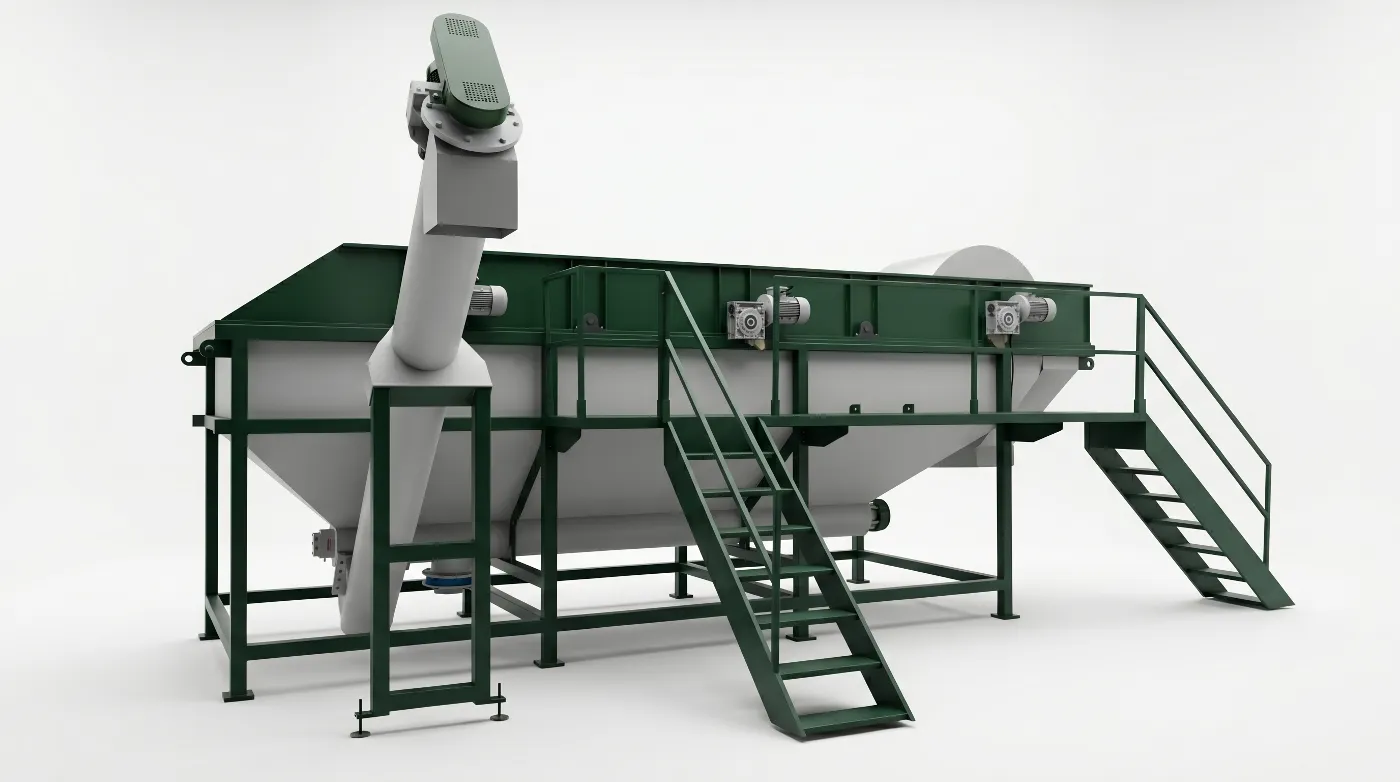
Struggling with PVC, paper, or cross-polymer contamination in your plastic flakes? Our sink float separation tank delivers 98%+ density separation purity for PET, PE, and PP. By combining a controlled water bath with our advanced dissolved-air flotation (DAF) loop, you protect your extruder, maximize water reuse (70–85%), and consistently achieve food-grade rPET standards.

  • Matched to your feedstock and output target
  • Stable throughput with controlled discharge size
  • Layout, controls, and service support customized
View Specifications
Scroll
High-purity sink float separation tank operating in an industrial plastic recycling plant
  • Matched to your feedstock and output target
  • Stable throughput with controlled discharge size
  • Layout, controls, and service support customized

Backed by Documented Performance Targets

CE Certified Manufacturing
24/7 Global Technical Support
12-Month Comprehensive Warranty
Purity KPI Validation
Custom ROI Modeling
Turnkey Installation & Training

How Our Sink Float Tank Boosts Your Bottom Line

We don't just sell you a tank; we solve your contamination bottlenecks. Here is how our approach translates to continuous, profitable production.

1

Custom Density Profiling

We analyze your exact feed composition (PE, PP, PET, PVC). If the density gap is tight, we integrate brine solutions or electrostatic polishing stages to support your target purity.

2

Optimized Flake Retention Time

By controlling the tank length and paddle speed, we ensure a perfect 60–120 second retention time. This helps heavy flakes sink completely while floating flakes stay buoyant.

3

Closed-Loop Water Management

Our integrated sedimentation and DAF systems filter out sludge and paper fibers, allowing you to reuse up to 85% of your process water and discharge sludge as a solid cake.

4

Seamless Plant Integration

We match the tank's throughput to your upstream label removers and downstream hot washers, creating a stable, surge-free production line that maximizes uptime.

Why Top Recyclers Choose Rumtoo Sink Float Tanks

The real value of our separation tank is measured in increased uptime, higher premium pellet yields, and slashed utility costs.

Achieve 99.5% Food-Grade Purity

Our twin-tank designs with precise brine adjustment deliver the exceptional 99.5%+ purity required for bottle-to-bottle rPET and food-grade packaging applications.

Cut Water Costs by Up to 85%

By utilizing our advanced filtration loop, make-up water consumption drops from 20 m³ to just 3–5 m³ per ton, saving tens of thousands of dollars annually in water and discharge fees.

Triple Extruder Filter Lifespan

By effectively removing paper, film, and PVC before extrusion, our tanks dramatically reduce melt-filter clogging, minimizing costly downtime and screen replacements.

Scalable from 500 to 5000 kg/h

Whether you are running a compact regional facility or a massive industrial plant, we scale the tank footprint efficiently without compromising purity or water reuse rates.

Overcoming Common Plastic Density Separation Challenges

We understand the frustrations of recycling lines. Here is how Rumtoo engineering turns typical failures into stable success.

Problem

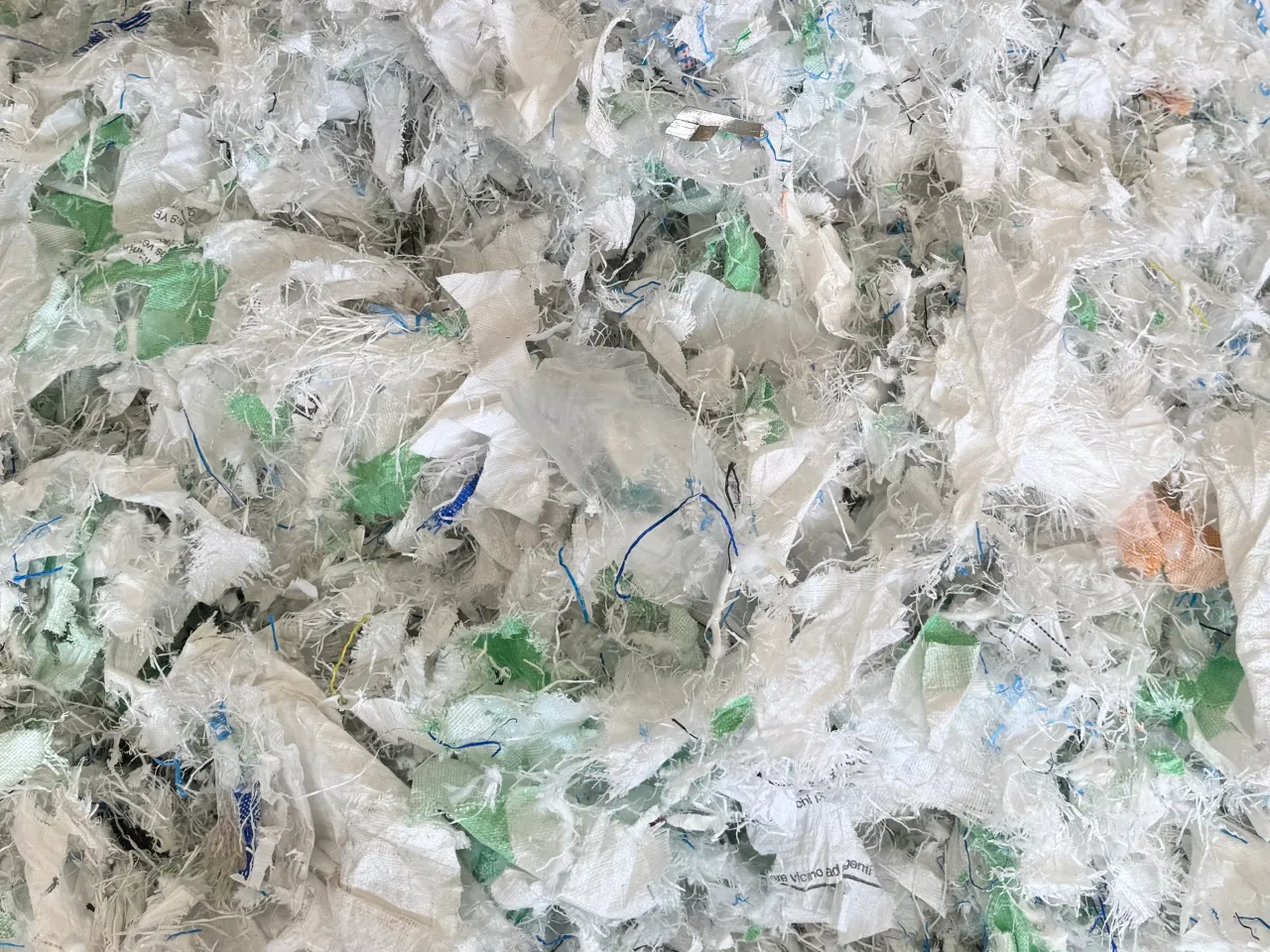
PET flakes float and contaminate the PE/PP stream, leading to rejected batches.

Rumtoo Solution

Rumtoo incorporates specialized de-foaming baffles to release entrained air from thin flakes, ensuring PET sinks reliably. We also offer automated brine dosing for stubborn materials.

Problem

Process water turns black quickly, clogging filters and causing environmental fines.

Rumtoo Solution

Our continuous dissolved-air flotation (DAF) and screw press sludge management system extracts paper and glue in real-time, keeping the bath clean and compliant.

Problem

Long film ribbons tangle in the agitators, forcing bi-weekly maintenance shutdowns.

Rumtoo Solution

We supply upstream trommels and design our paddle blades specifically to resist roping, ensuring continuous, jam-free operation.

Advanced Plastic Density Separator Features

Say goodbye to extruder blockages. Our density separator combines precision mechanical design with intelligent flow control to ensure your final flakes are ready for high-value compounding.

Stainless steel sink float tank interior showing paddle agitators and water flow control

Precision Density Cut-Point Control

Instead of relying on luck, our tank uses variable-speed paddle agitators and an adjustable weir. This ensures low-density materials (PE/PP) float smoothly to the surface skimmer, while high-density plastics (PET, PVC, metals) sink quickly without entraining air bubbles.

  • Variable-speed paddle agitators prevent flake agglomeration and ensure rapid separation.
  • Adjustable weir height allows you to fine-tune the density cut-point between 0.95 and 1.05 g/cm³.
  • Heavy-duty sinking screw conveyor extracts heavy materials with minimal water loss, lowering operating costs.
Integrated Washing Line Optimization

A separation tank works best when integrated seamlessly. Placed after pre-washing, our tank acts as the ultimate gatekeeper, removing the wrong polymers before the hot wash. This protects your downstream heat exchangers and extruder screens from catastrophic fouling.

  • Consistently delivers 98–99% purity in a single pass, separating PET/PVC from PE/PP.
  • Captures and removes residual paper, cardboard, and film labels that float to the surface.
  • Integrated DAF water loop ensures up to 85% water reuse, drastically reducing utility bills.
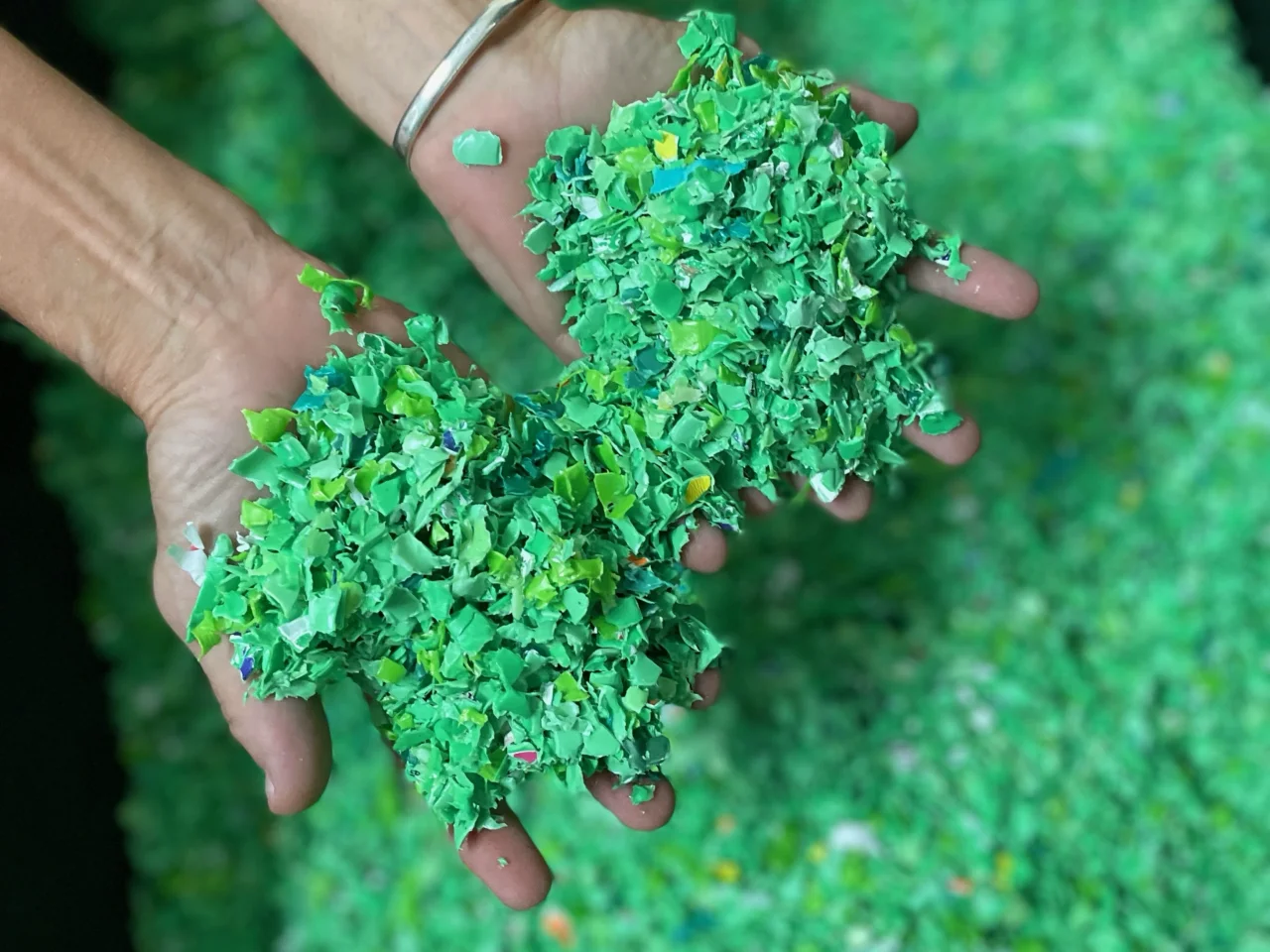
Clean, high-purity recycled PE and PP plastic flakes after processing in a sink float separator

See the Sink Float Separation Tank in Action

Watch how our system effortlessly divides mixed plastic flakes into high-value pure streams.

High-Value Application Scenarios for Density Separation

Our sink float tanks are engineered to unlock premium value in the most demanding recycling sectors.

  • Food-Grade PET Bottle-to-Bottle Lines

    Crucial for removing HDPE caps and PP rings from PET flakes. Achieving the rigorous purity standards required by EFSA and FDA for food-contact rPET packaging.

  • HDPE Milk and Detergent Jug Recycling

    Separates unwanted PP caps, PET tamper bands, and dirt from HDPE flakes, preparing a pristine feedstock for high-value pipe, crate, and packaging compounding.

  • Post-Consumer Mixed Plastic Sorting

    Acts as the reliable primary density splitter for curbside plastics, routing clean PE/PP directly to pelletizing while concentrating heavy plastics for downstream optical sorting.

  • WEEE & Automotive Plastic Recovery

    Performs rough density splitting to remove metals, glass, and rubber from ABS/PS streams, significantly improving the efficiency of subsequent electrostatic separation.

Core Sink Float Tank Specifications

Select the ideal capacity for your production line. We customize final dimensions based on your specific contamination profile.

Model SeriesThroughput CapacityInstalled PowerTarget Application
RT-SF-1000800–1200 kg/h5.5 kWStandard PET / HDPE washing lines
RT-SF-20001500–2500 kg/h7.5 kWHigh-capacity twin-tank setups
RT-SF-50003500–5000 kg/h15 kWIndustrial bottle-to-bottle plants

Note: Actual footprint and power consumption vary based on the inclusion of our DAF water reuse loop and sludge handling systems.

Equipment Selection Comparison

Use this comparison to decide whether a standard machine quote is enough or whether the project needs material testing, layout review, and downstream process matching.

Decision PointGeneric Equipment QuoteRumtoo Engineering Route
Material conditionAssumes a clean and stable feedChecks moisture, density, contamination, and real feed form
Capacity planningStarts from nominal kg/hMatches throughput to line duty, discharge size, and downstream process
Integration riskTreats the machine as standaloneReviews conveyors, controls, safety, access, and retrofit space
Output qualityFocuses on the model nameConnects output size, purity, moisture, and pelletizing or washing goals

Frequently Asked Questions about Density Separation

Can a sink float tank completely separate PET from PVC?

A sink float tank using plain water removes PE, PP, and paper from PET. However, because PET (1.38–1.40 g/cm³) and PVC (1.35–1.45 g/cm³) have overlapping densities, they will both sink. For applications requiring <50 ppm PVC (like food-grade rPET), Rumtoo integrates an electrostatic separator or NIR optical sorter as a final polishing stage after the tank.

How much water does the system actually consume?

Without filtration, tanks consume 20–30 m³ of fresh water per ton. By equipping your Rumtoo sink float tank with our advanced DAF and sedimentation loop, water consumption drops to just 3–5 m³ per ton (up to 85% reuse). This significantly reduces your operational costs and environmental footprint.

How do you handle the sludge produced during separation?

We do not leave you with a liquid waste problem. Our systems include a dedicated screw press that de-waters the sludge (mostly paper fibers and label glue) into a 60–70% solid cake, making it easy and cheap to dispose of.

Ready to Maximize Your Plastic Recycling Purity?

Send us your feed material details (polymer mix, contamination levels, target throughput). Within 24 hours, our engineers will provide a customized equipment proposal, a 3D line layout, and a comprehensive ROI model showing exactly when your investment pays for itself.

Expert response within 24 hours. No obligation quote.