· Rumtoo Engineering Team · Industry Guide · 10 min read
Plastic Recycling Machine: Line Configuration, Cost Breakdown & ROI Analysis
A practical guide to plastic recycling machine line configuration — covering shredding, washing, pelletizing stages, real-world cost structures, and ROI analysis for facility upgrades.
When a mid-sized material recovery facility (MRF) in Ohio decided to upgrade their aging system in early 2024, they didn’t just buy a new plastic recycling machine — they completely overhauled their revenue model. For years, they struggled with frequent jams caused by large purgings, resulting in costly unplanned downtime. By installing a heavy-duty, continuous-operation shredding and pelletizing line, their throughput increased by 40%. More importantly, the smart inverter technology dropped their energy costs per kilogram by nearly a third. The “savings” they originally thought they had from their old, cheap equipment was actually costing them hundreds of thousands of dollars in lost productivity and high energy bills.
We all know that processing plastic waste efficiently is no longer just an environmental mandate; it is a highly competitive, lucrative industrial sector. However, the margins in plastic recycling rely entirely on the reliability, efficiency, and yield of your machinery.
In this comprehensive guide, we will break down exactly what makes a high-performance plastic recycling machine, the core components of a turnkey processing line, and the true economics of maximizing your Return on Investment (ROI). We will also share expert insights on how to choose the right equipment tailored to your specific material stream and answer the industry’s most frequently asked questions.
If your scope is specifically the final extrusion and pellet-formation stage, our dedicated pelletizing plastic process guide covers the six engineering stages of pellet production and gives a material-by-material adaptation matrix for PE film, PP, HDPE, PET, PVC, PS, EPS, and ABS.
What is a Plastic Recycling Machine?
A commercial plastic recycling machine is rarely a single piece of equipment. In the industrial sector, when plant managers discuss a “plastic recycling machine,” they are usually referring to a synchronized, multi-stage processing line designed to transform raw, contaminated plastic waste into clean, uniform, and highly valuable recycled pellets.
These turnkey lines handle various forms of plastic, from post-consumer PET beverage bottles and agricultural PE films to rigid post-industrial scraps like injection molded lumps and extrusions. The goal of this machinery is to efficiently execute a series of physical and thermal processes: size reduction, washing, separation, drying, and finally, extrusion and pelletizing.
The efficiency of a plastic recycling machine is measured by its continuous operational uptime, its throughput capacity (typically measured in kg/hr or tons/hr), and the quality of the final pellet (uniformity, density, and absence of moisture or voids). For recycling facilities and specialized polymer compounders, the right machinery is the difference between scraping by on low-margin flake sales and commanding premium prices for high-grade recycled pellets.
Core Components of a Complete Plastic Recycling Line
To understand how to maximize your plant’s efficiency, you must understand the critical stages of the recycling process. A typical high-yield recycling line consists of three primary phases.
1. Shredding and Crushing: The First Step of Size Reduction
The journey from bulk waste to usable material begins with size reduction. This stage is notoriously harsh on machinery, requiring immense torque and durable cutting components.
- Industrial Shredders: For large, bulky, or extremely tough materials like thick pipes, purgings, or tightly baled film, heavy-duty industrial shredders are the necessary first defense. Machines like Rumtoo’s single and double-shaft shredders utilize high-torque shearing forces to rip through the toughest plastics. Advanced features, such as hydraulic pusher rams, automatically feed bulky materials into the V-shaped rotor, preventing bridging and ensuring a consistent feed rate without operator intervention.
- Plastic Crushers and Granulators: Once the bulk is reduced by the shredder, crushers take over. Using high-speed, precision-engineered alloy blades, crushers cut the plastic down into small, uniform flakes. Rumtoo’s crushers use specialized D2 alloy steel blades that are specifically engineered to offer double the wear life of standard blades, significantly reducing downtime for sharpening or replacement.
Want to see how our heavy-duty shredders easily power through tough purgings? Explore our industrial shredders and request material testing →
2. Friction Washing and Separation
If you are processing post-consumer waste, your material is likely contaminated with dirt, oil, paper labels, and organic residue. The washing stage is critical because residual contaminants will drastically lower the market value of your final pellets and can damage sensitive extrusion equipment downstream.
- Friction Washers: These machines use high-speed agitation and water to scrub the surface of the plastic flakes, removing stubborn dirt and glues. Rumtoo’s integrated washing systems combine multiple washing stages into a single, space-efficient layout.
- Sink-Float Separation Tanks: Different plastics have different specific gravities. In a sink-float tank, water (sometimes treated with specific density-altering additives) is used to separate materials. For example, in a PET bottle recycling line, the heavier PET flakes will sink to the bottom, while lighter polyolefin (PE/PP) caps and labels float to the top, allowing for precise material separation.
- Thermal Drying and Densification: Before the clean flakes can be melted, they must be thoroughly dried. Moisture in the extrusion phase causes foaming and voids in the pellets. Advanced moisture reduction equipment, such as film densifiers and squeezers, aggressively dry and compact lightweight films to prepare them for the extruder. For rigid flakes, a high-speed centrifugal dryer can reduce surface moisture to under 1% in a single pass.
3. Extrusion and Pelletizing
The final, and arguably most complex, stage is transforming the clean, dry flakes into uniform pellets that can be sold to manufacturers. This is done using a recycling pelletizing line.
The plastic is fed into a heated barrel where a rotating screw melts and compounds the polymer.
- Degassing: To ensure dense, high-quality pellets, advanced extruders feature dual-stage vacuum degassing to efficiently remove any remaining moisture and volatile gases.
- Melt Filtration: Non-stop screen changers filter out microscopic impurities from the polymer melt without requiring the operator to halt the extrusion process.
- Die-Face Cutting: Finally, the molten plastic is pushed through a die and immediately cut by rotating blades (often underwater or via water-ring systems) and cooled to form perfect, uniform pellets.
Mini-Story: The Degassing Difference
In late 2023, a specialized polymer compounder in Germany reached out to us. They were losing contracts because the recycled LDPE pellets they produced were plagued by internal air bubbles (voids) caused by residual moisture in the highly-inked agricultural film they were processing. It was destroying the structural integrity of the final molded products.
They replaced their standard single-vent extruder with a Rumtoo pelletizing line featuring a customized dual-stage vacuum degassing system. The result? The new line effectively stripped all volatile gases and moisture before the die head. Within two months, they were producing dense, void-free pellets that commanded a 20% premium on the European market, completely revitalizing their most profitable product line.
The Economics: Maximizing ROI with the Right Equipment
When evaluating a plastic recycling machine, B2B buyers must look past the initial capital expenditure (Capex) and rigorously analyze the Total Cost of Ownership (TCO) and the operational return on investment (ROI).
Real-World Throughput vs. Theoretical Maximums
Many low-cost, entry-level manufacturers entice buyers with high theoretical capacity numbers. However, theoretical maximums mean nothing if the machine jams every three hours or requires constant screen cleanings. When calculating your ROI, you must base your models on guaranteed, continuous real-world throughput. Industrial-grade machinery is built with reinforced cutting chambers and premium bearings (like SKF) to handle relentless 24/7 operation.
Energy Efficiency and Operational Costs (Opex)
Electricity is one of the highest ongoing costs in a plastic recycling facility. Investing in a line that features optimized power transmission and smart inverter technology can significantly lower power consumption per kilogram of processed material. Replacing an aging line with modern equipment can often cut operational electricity costs by up to 30%, adding massive amounts directly to your bottom line over a 5–10 year lifespan.
The Value of the End Product
Remember that you are not just buying a machine; you are buying the capability to manufacture a product. A machine that produces consistently high-quality, uniform, and clean pellets allows you to sell to specialized manufacturers at a premium, rather than dumping low-grade flake on the open market.
Ready to calculate the true cost savings for your facility? Get a Custom Quote today →
How to Choose the Right Plastic Recycling Machine for Your Facility
Selecting the correct equipment requires a deep understanding of your specific material stream and your facility’s goals. Here are the critical factors an expert plant manager must consider:
- Analyze Your Material Stream: Are you processing rigid plastics like HDPE pipe and injection molded scraps, or flexible packaging like LDPE agricultural film? Flexible films require aggressive densification and specialized friction washing, whereas rigid lumps require high-torque shredding.
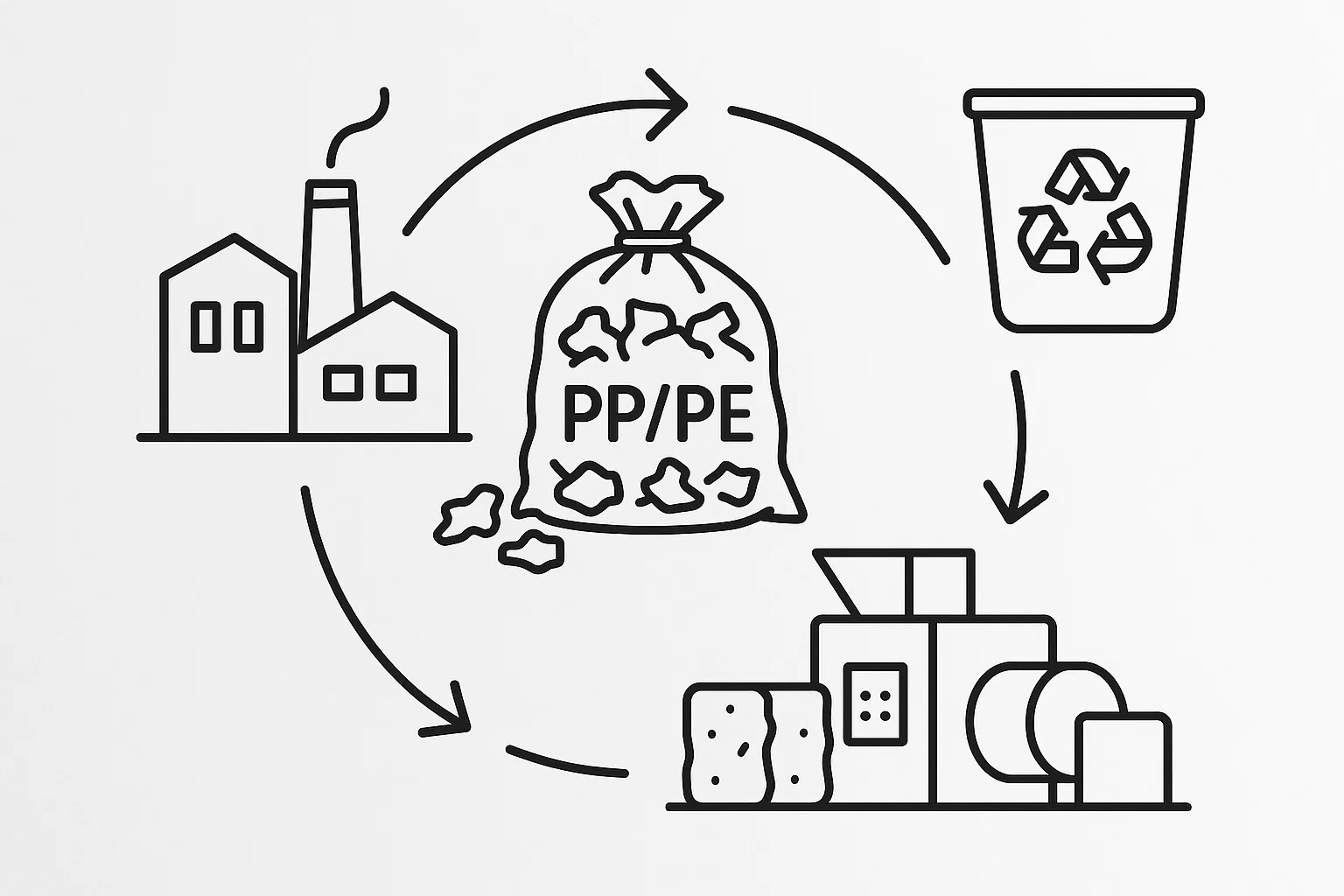
- Assess Contamination Levels: Clean in-house factory scraps (post-industrial) may only require a simple shredder-granulator-extruder setup. Heavily contaminated post-consumer waste will require an extensive, integrated washing system to ensure the final product is viable. Learn more about our complete rigid plastic processing solutions and plastic film & bag recovery lines.
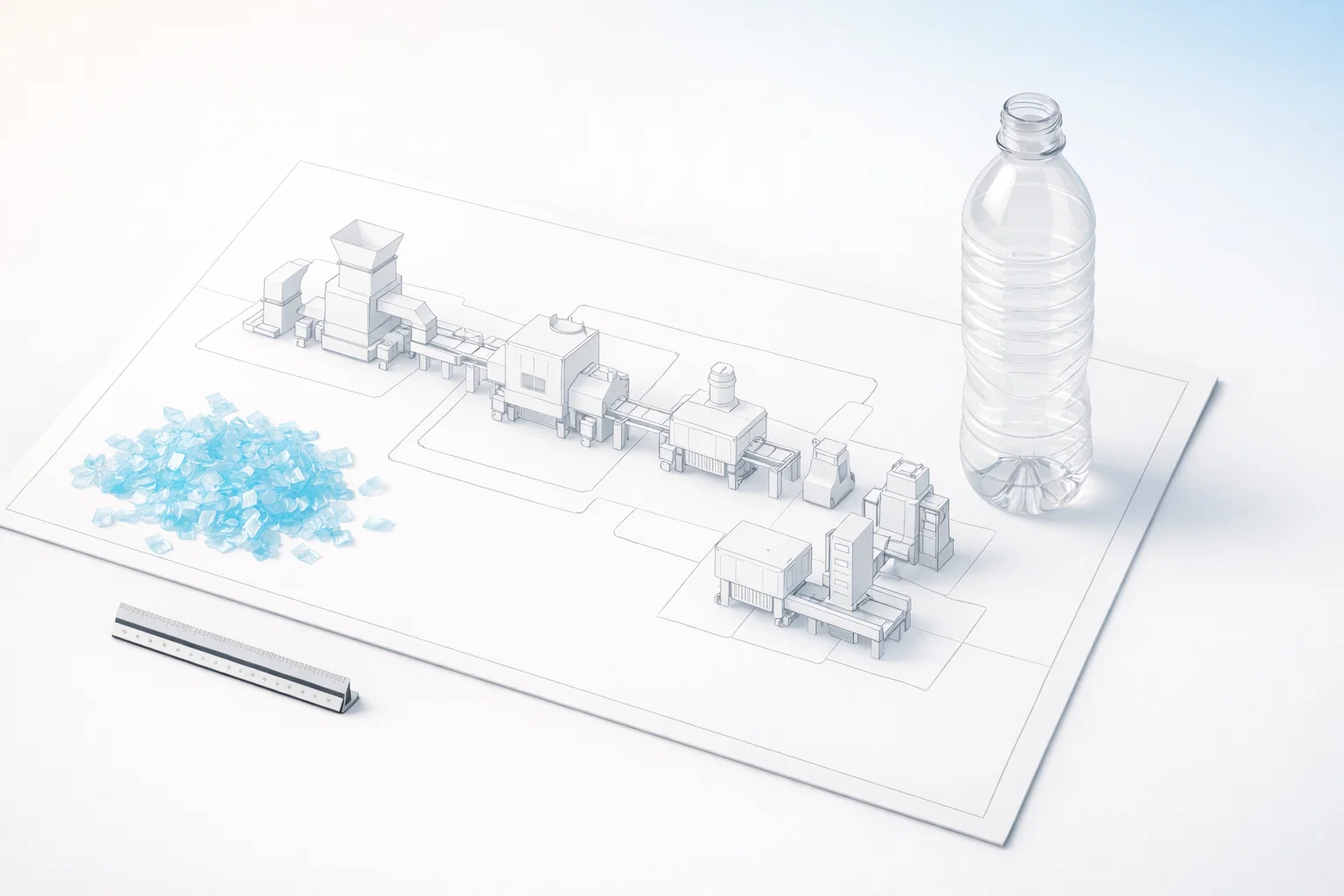
- Evaluate Space and Layout: Turnkey recycling lines take up significant floor space. Work with a manufacturer who can provide detailed layout drawings and capacity analysis tailored to your specific facility’s footprint.
- Demand Component Transparency: Ask what brands are used for critical components. Ensuring your machine uses globally recognized electrical and bearing brands (like Siemens, Schneider, and SKF) means that if a part fails, you can source a replacement locally and be back online in hours, not weeks.
Frequently Asked Questions (FAQ)
What is the most profitable plastic to recycle?
Profitability depends heavily on market demand and your access to consistent waste streams. However, clean PET (from beverage bottles) and pure HDPE (from rigid containers) consistently command high market prices due to massive demand from the packaging and consumer goods industries. Processing these materials efficiently into high-grade flakes or pellets offers excellent margins. See how a complete PET bottle recycling line works from bale to flake.
How much does a commercial plastic recycling machine cost?
Costs vary wildly depending on the scope of the line. A standalone industrial shredder may cost between $20,000 and $60,000, while a fully automated, turnkey washing and pelletizing line capable of processing 1,000 kg/hr of post-consumer waste can range from $150,000 to over $500,000. When comparing costs, always factor in the TCO over a 10-year period; a slightly higher initial investment in a durable machine often saves hundreds of thousands in maintenance downtime and energy costs.
Can one machine process all types of plastic?
No single standalone machine can efficiently process all types of plastics in all forms. However, a highly versatile, custom-engineered recycling line with interchangeable screen sizes and customizable rotor designs can handle a wide variety of polymers (PE, PP, PET, ABS) with minimal changeover time. Browse our all products page to see the full range of solutions available.
What happens if a critical part breaks during an overnight shift?
Downtime is the enemy of profitability. At Rumtoo, we mitigate this by using globally standardized components for our electrical systems and bearings. Standard parts can be sourced locally anywhere in the world. For unique mechanical spares, we maintain a robust inventory and dispatch replacements via express courier (DHL/FedEx) within 48 hours to get your line back up and running.
Conclusion
Upgrading or installing a comprehensive plastic recycling machine line is one of the most operationally significant decisions a material recovery facility or plastic manufacturer will make. The right equipment does more than just melt plastic; it fundamentally optimizes your total cost of ownership, slashes your energy bills, and elevates the market value of your end product.
By prioritizing heavy-duty construction for 24/7 uptime, demanding advanced degassing for premium pellet quality, and ensuring you have reliable, quick-response post-sales support, you position your facility to thrive in the competitive global recycling market.
Don’t settle for theoretical maximums and cheap components that will cost you thousands in unplanned downtime. Invest in precision engineering that guarantees performance.
Request a Custom Quote & Material Testing →
Speak directly with a technical expert today to discuss your specific material stream and receive a detailed facility layout analysis. Let us prove exactly how much a Rumtoo system can increase your throughput.
- plastic recycling machinery
- equipment
- plant planning
- pelletizing
- washing line